
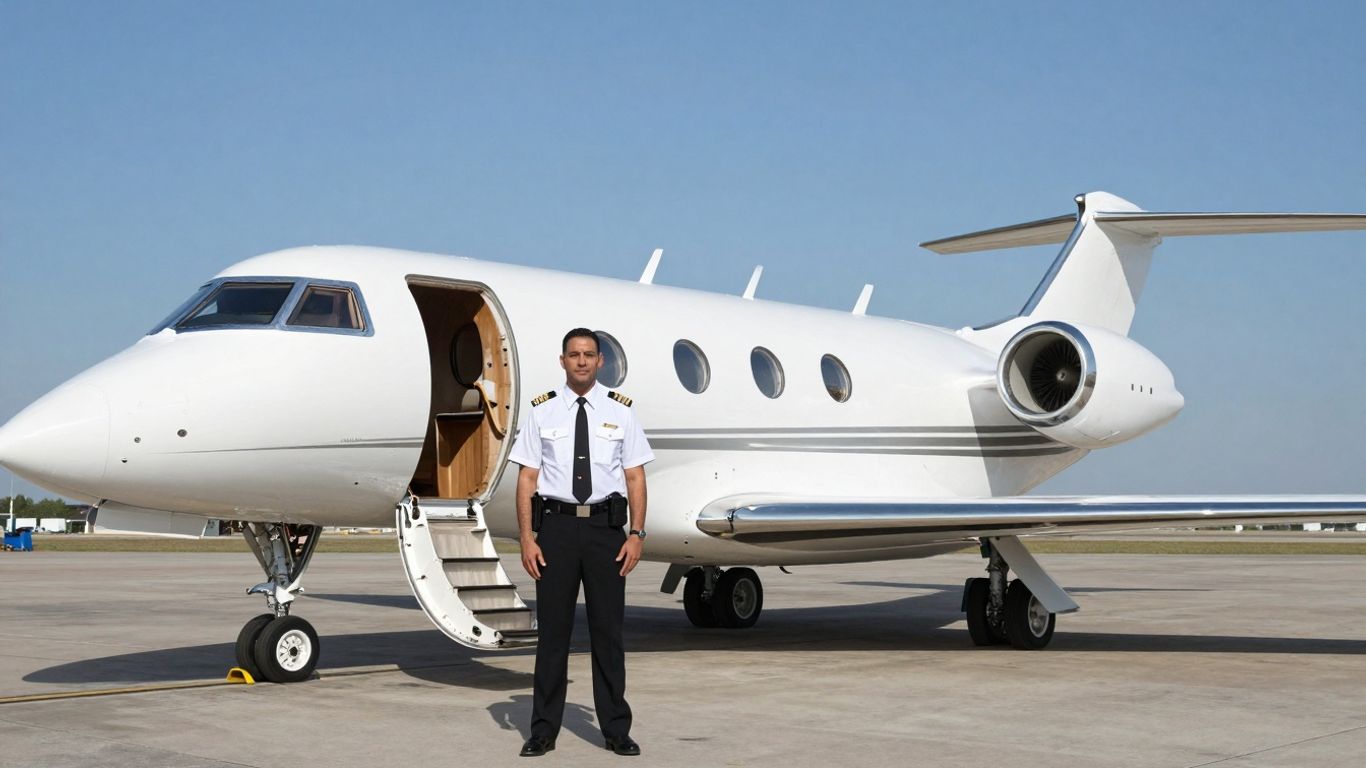
Thinking about private planes? It’s a big topic, and lots of people are talking about it online, especially on Reddit. This article looks into what folks are saying about NetJets, from the perks of being an owner to what it’s like to be a pilot there. We’ll also check out how NetJets stacks up against other companies, based on what people are sharing online. Plus, we’ll get into the whole private jet ownership thing and some general info about flying privately. If you’re curious about the ins and outs of NetJets and the private aviation world, stick around.
Key Takeaways
- Online discussions on netjets reddit reveal details about owner advantages, including costs and different card options for 2025.
- Pilot career paths at NetJets are a frequent topic, with aspiring pilots sharing their journeys and current professionals offering insights.
- Comparisons between NetJets and competitors like Wheels Up and Flexjet are common in online forums, with users sharing their experiences.
- The general experience of NetJets ownership, including fractional programs and the benefits of private jet travel, is a recurring theme.
- Discussions also touch on broader private aviation topics, such as jet engine costs and the luxury of private travel.
Exploring NetJets Owner Advantages on Reddit
So, you’re thinking about the NetJets card for 2025? It’s a big topic on Reddit, and for good reason. People want to know what they’re actually getting into, cost-wise and benefit-wise. Let’s break down what folks are discussing.
Demystifying NetJets Card Costs for 2025
When you look at NetJets, the "card" is usually a way to buy a block of flight hours. It’s not like a credit card, more like a prepaid membership. The cost for 2025 isn’t a single number; it depends on a few things. You’ve got different types of cards, like the 25-hour card, which is pretty popular for those who fly a good amount but don’t need a whole jet. Then there are other options for different flying needs. The hourly rate can change based on the type of aircraft you choose – light, mid-size, or large cabin jets. Plus, there are peak days and service fees that can add up. It’s really about figuring out your flight patterns to see which card makes the most sense financially.
Understanding the Real NetJets Card Expenses
Beyond the sticker price of the hours, there are other costs to consider. People on Reddit often talk about surge pricing during peak travel times, which can increase the hourly rate. There are also daily minimums for flight time, meaning if you take a short trip, you might still be charged for a few hours. Fuel surcharges can also fluctuate. It’s not just about the upfront cost of the hours; it’s about understanding the total cost of ownership, or in this case, access. The key is to read the fine print and ask direct questions about all potential fees.
Here’s a general idea of what might factor into the total cost:
- Hourly Rate: Varies by aircraft size and card type.
- Peak Day Surcharges: Extra costs during holidays and busy travel periods.
- Daily Minimums: A set number of hours charged per flight day.
- Ferry Fees: If the aircraft needs to reposition for your flight.
- Federal Excise Tax (FET): A standard tax on air transportation.
Comparing NetJets Card Options
NetJets offers several programs, and the discussions online often revolve around which one is the best fit. The 25-hour card is a common starting point, but they also have options for more frequent flyers or those needing specific aircraft types. Some users mention that while the initial cost might seem high, the reliability and access to a large fleet are worth it. Others suggest looking at competitors to see if their programs align better with specific travel needs. It’s a bit like comparing different phone plans; you need to match the features and costs to how you actually plan to use the service. If you’re looking at other options, you might want to check out Flexjet Jet Card Advantages to see how they stack up.
It’s easy to get caught up in the idea of private jet travel, but the reality is that the costs can be complex. NetJets provides a structured way to access private aviation, but understanding all the associated expenses, from hourly rates to peak day surcharges, is vital for making an informed decision. Don’t just look at the headline price; dig into the details.
Pilot Career Paths and NetJets Reddit Discussions
Thinking about a career in aviation, especially with a company like NetJets? The Reddit community is buzzing with conversations about what it’s really like to fly for a private jet operator. It’s not just about the glamour; it’s about the day-to-day grind, the training, and the career progression. Many aspiring pilots share their journeys online, detailing everything from flight school experiences to their first jobs.
Aspiring Pilot Journeys Shared Online
On forums, you’ll find stories from folks who are just starting out, maybe fresh out of flight school or making a big career change. For instance, one user shared how they left a stable career in law enforcement to chase a childhood dream of flying, inspired by movies and a chance encounter with a pilot. They detailed the initial steps, like taking an introductory flight and then committing to full flight training. It’s a path that requires dedication and often a significant financial investment.
- Initial Flight Training: Many begin with private pilot licenses and build hours through various means.
- Career Pivots: Stories abound of individuals leaving other professions for aviation.
- Mentorship: Seeking guidance from experienced pilots is frequently mentioned as a key step.
The transition into aviation can feel daunting, especially when leaving a familiar career. However, the passion for flight often drives individuals to overcome these challenges, finding fulfillment in a dynamic work environment.
Transitioning to Aviation Careers
For those looking to switch gears, the discussions often touch on how to make the leap. It’s not always a straight line. Some start in roles like security compliance for airlines, blending their existing skills with aviation. Others might find themselves flying for smaller charter services, gaining experience in different types of operations and aircraft. The goal for many is to eventually land a position with a major operator like NetJets. Getting a handle on the interview process is also a hot topic, with many seeking insights into what to expect. You can find a lot of shared experiences about what to expect during interviews.
Insights from Current Aviation Professionals
Experienced pilots and aviation professionals also chime in, offering a realistic view of the industry. They talk about the lifestyle, the challenges of commuting, and the satisfaction of flying different types of missions. Some highlight the importance of a solid education from aviation-focused institutions, noting how programs prepare students for the real demands of airline operations, including safety protocols and regulatory adherence. The career path isn’t always linear; some pilots fly for Part 135 carriers, gaining valuable experience before moving to larger companies. The discussions often revolve around building flight hours, obtaining necessary ratings, and understanding the different types of aviation jobs available, from regional airlines to corporate flight departments.
| Career Stage | Typical Activities |
|---|---|
| Entry-Level Pilot | Building flight hours, Part 135 operations |
| Mid-Career Pilot | Regional airlines, corporate flight departments |
| Senior Pilot | Major airlines, management roles, instructor roles |
NetJets vs. Competitors: Insights from Online Forums

What Members Say About Wheels Up on Reddit
When you’re looking at private jet services, it’s natural to check out what people are saying online. Reddit, in particular, has become a go-to spot for candid discussions about companies like Wheels Up. Users often share their experiences, both good and bad, giving a real-world look at what it’s like to be a member. You’ll find threads where people compare membership tiers, talk about aircraft availability, and discuss customer service. It’s a place where the shiny marketing brochures meet everyday reality.
Discussions often revolve around:
- Membership Costs: How do the different levels stack up? Are there hidden fees?
- Aircraft Access: How easy is it to book a flight? What’s the typical wait time?
- Customer Service: What happens when things go wrong? How responsive is the support team?
- Fleet Quality: What’s the condition of the planes? Are they modern and well-maintained?
People on Reddit aren’t afraid to share the nitty-gritty details. You might read about someone’s amazing last-minute trip, or conversely, a frustrating experience trying to get a specific aircraft type. It’s this raw feedback that can be super helpful when you’re trying to figure out if a service fits your needs.
Comparing Private Jet Services
When folks on forums start comparing private jet providers, it’s usually about more than just the price tag. They’re looking at the whole package. NetJets, Wheels Up, and Flexjet often come up in these conversations, and people tend to break down their choices based on a few key factors. It’s not always a clear-cut winner; different services might be better suited for different types of travelers.
Here’s a look at common comparison points:
- Aircraft Type and Availability: Some services might have a wider range of planes or better availability in certain regions.
- Pricing Models: Hourly rates, membership fees, peak day surcharges – it all adds up differently.
- Service Area: Where does the provider operate most effectively?
- Contractual Terms: What are the commitment periods? What are the cancellation policies?
Flexjet Jet Card Advantages
Flexjet is another major player in the private aviation space, and their jet card program gets a lot of attention on forums. Many users highlight the flexibility and the quality of the aircraft as major draws. It’s often seen as a strong alternative for those who fly frequently but don’t want the full commitment of owning a jet.
Some of the advantages frequently mentioned include:
- Diverse Fleet Options: Flexjet offers access to a variety of aircraft, from light jets to long-range planes, allowing members to choose the best fit for each trip.
- Consistent Service: Many users report a high level of service and reliability, with well-maintained aircraft and professional crews.
- Dynamic Pricing: While not always the cheapest, the pricing structure is often seen as transparent, especially for those who value predictable costs on certain flight types.
Deciding between these services often comes down to personal travel habits and priorities. What works perfectly for one person might not be the best fit for another, which is why these online discussions are so useful for getting a broad perspective.
The NetJets Ownership Experience
When people talk about private aviation on Reddit, the idea of owning a jet outright often comes up. It sounds like the ultimate luxury, right? But for most folks, that’s a whole different ballgame compared to the NetJets model. Owning a jet means you’re on the hook for everything – maintenance, hangar space, pilot salaries, insurance, and all the headaches that come with it. It’s a massive commitment, both financially and logistically.
Benefits of Private Jet Ownership
Owning a private jet offers unparalleled control and privacy. You can fly on your schedule, to destinations commercial airlines don’t serve, and avoid the crowds and delays of public airports. It’s the pinnacle of convenience for frequent travelers. Plus, there’s a certain prestige that comes with having your own aircraft. However, the costs are substantial.
- Acquisition Cost: The initial purchase price of a new or pre-owned jet can range from a few million to tens of millions of dollars.
- Operating Expenses: This includes fuel, pilot salaries, maintenance, hangarage, insurance, and landing fees.
- Depreciation: Jets lose value over time, similar to cars, but on a much larger scale.
- Management: You’ll need a dedicated team or management company to handle the day-to-day operations.
Navigating Fractional Jet Ownership
Fractional ownership is a middle ground. Instead of buying a whole jet, you buy a share of one. This gives you access to a certain number of flight hours per year. It’s less commitment than full ownership but more access than a simple jet card. Think of it like owning a piece of a vacation home – you get to use it, but you share the costs and responsibilities with others. It’s a popular choice for those who fly regularly but not enough to justify a whole aircraft. You still get many of the benefits of ownership, like guaranteed availability and consistent cabin experience, but without the full burden.
The NetJets Fractional Program Explained
NetJets pioneered the fractional ownership model, and their program is pretty well-known. When you buy into the NetJets program, you’re essentially buying a share of a specific type of aircraft. This gives you access to their entire fleet, not just the jet you bought a share in. It’s a bit different from other fractional programs where you might be tied to a specific aircraft. With NetJets, you get guaranteed availability with advance notice, often as little as 10 hours. The costs can be broken down into an acquisition fee for your share and an hourly rate for the time you fly. For example, the NetJets 25 Hour Card is a popular entry point, offering a set number of flight hours. It’s designed to simplify private travel, taking the operational worries off your plate. You pay for your share and your flight time, and NetJets handles the rest – pilots, maintenance, scheduling, everything. It’s a way to get the benefits of private jet travel without the complexities of direct ownership or management.
The core idea behind programs like NetJets’ is to provide access to private aviation without the immense capital outlay and ongoing operational burdens of full aircraft ownership. It’s about buying flight hours and guaranteed access, letting a specialized company manage the aircraft, crew, and logistics.
Inside the World of Private Aviation
Understanding Jet Engine Costs
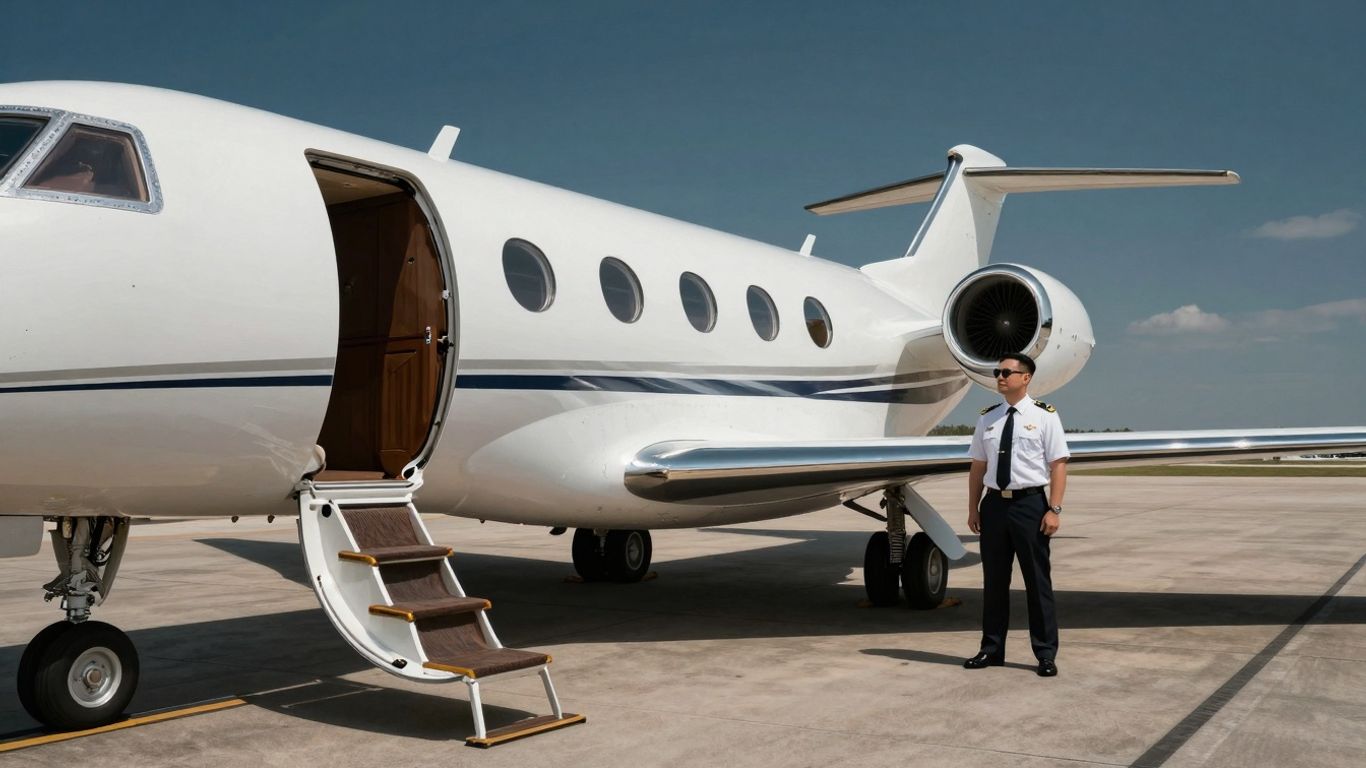
When you think about private jets, the sleek design and luxurious interiors often come to mind. But what really makes these machines fly? It’s the engines, and they are incredibly complex pieces of engineering. Think about a Rolls-Royce engine, for example. These aren’t just simple motors; they are marvels of technology that require immense resources to design, build, and maintain. The cost reflects the cutting-edge materials, the precision manufacturing, and the extensive testing involved. The price tag for a single high-performance jet engine can easily run into the millions of dollars. It’s a significant investment that underpins the entire operation of private aviation.
Here’s a general idea of what goes into the cost:
- Research and Development: Billions are spent on designing new engine models and improving existing ones.
- Materials: Exotic alloys and advanced composites are needed to withstand extreme temperatures and pressures.
- Manufacturing: Highly specialized factories and skilled labor are required for precision assembly.
- Testing and Certification: Engines undergo rigorous testing to meet strict safety and performance standards.
The sheer complexity and the advanced technology packed into a jet engine mean that its cost is a substantial part of a private aircraft’s overall price. It’s a testament to human ingenuity and the pursuit of efficient, powerful flight.
The Role of Aviation Management
Running a private jet operation, whether it’s a charter service or a fractional ownership program, involves a lot more than just having planes. That’s where aviation management comes in. These professionals handle the day-to-day operations, making sure everything runs smoothly and safely. They deal with everything from scheduling flights and managing crews to overseeing maintenance and ensuring compliance with all the aviation rules. It’s a demanding job that requires a sharp mind and a lot of attention to detail.
Key responsibilities in aviation management include:
- Fleet Operations: Coordinating aircraft availability, flight planning, and crew assignments.
- Maintenance Oversight: Scheduling and managing all required aircraft inspections and repairs.
- Regulatory Compliance: Staying up-to-date with and adhering to all FAA (or equivalent) regulations.
- Customer Service: Ensuring a high level of service for passengers and owners.
- Financial Management: Budgeting, cost control, and managing vendor relationships.
Luxury Travel with Private Jets
Private jet travel is often associated with luxury, and for good reason. It’s not just about getting from point A to point B; it’s about the entire experience. Imagine skipping the long lines at commercial airports, boarding your aircraft minutes before departure, and enjoying a comfortable, private cabin. Many private jets offer amenities that rival high-end hotels, including spacious seating, gourmet catering, and even private sleeping quarters on longer flights. It’s a way to travel that prioritizes comfort, privacy, and efficiency, making the journey itself a pleasant part of the trip. For many, the ability to conduct business discreetly or simply relax without interruption makes the private jet experience a worthwhile investment.
Wrapping It Up
So, we’ve looked at what it’s like to be a NetJets owner and what it takes to be a pilot for them in 2025. It’s clear that NetJets offers a certain level of convenience and access for owners, but it also comes with its own set of considerations, like understanding the costs involved. For pilots, it’s a career path with its own demands and rewards, as we’ve seen from discussions and insights. Whether you’re thinking about buying into private aviation or flying for a company like NetJets, it’s a world with a lot to unpack. Keep digging into what works best for your travel needs or career goals.
Frequently Asked Questions
What is a NetJets card and how does it work?
A NetJets card is like a membership that lets you fly on private jets without owning one. You buy a certain number of hours, and then you can use those hours to book flights whenever you need them. It’s a way to enjoy private travel without all the headaches of owning a plane.
How much does a NetJets card cost in 2025?
The cost of a NetJets card can change, but it usually depends on the type of jet you want and how many hours you buy. Think of it like buying in bulk – the more hours you get, the better the price might be. It’s best to check their latest pricing for 2025 to get the exact numbers.
What are the main benefits of being a NetJets owner?
Being a NetJets owner means you get access to a whole fleet of private jets. You can fly whenever you want, to wherever you need to go, without dealing with busy airports or long security lines. It’s all about convenience, saving time, and traveling in comfort.
What kind of pilot careers are available with NetJets?
NetJets hires many pilots to fly their private jets. These jobs offer a chance to fly different types of aircraft and travel to many places. It’s a great career path for those who love flying and want to be part of a professional aviation team.
How does NetJets compare to other private jet services like Wheels Up or Flexjet?
People often discuss NetJets, Wheels Up, and Flexjet on places like Reddit. Each service has its own way of doing things, like different card options or membership perks. Comparing them helps you figure out which one fits your travel needs and budget the best.
What does it mean to be a fractional jet owner?
Fractional ownership means you own a piece of a private jet, instead of the whole thing. This lets you use the jet for a certain amount of time each year. It’s a popular option because it’s less expensive than buying a whole jet but still gives you many of the benefits of ownership.