
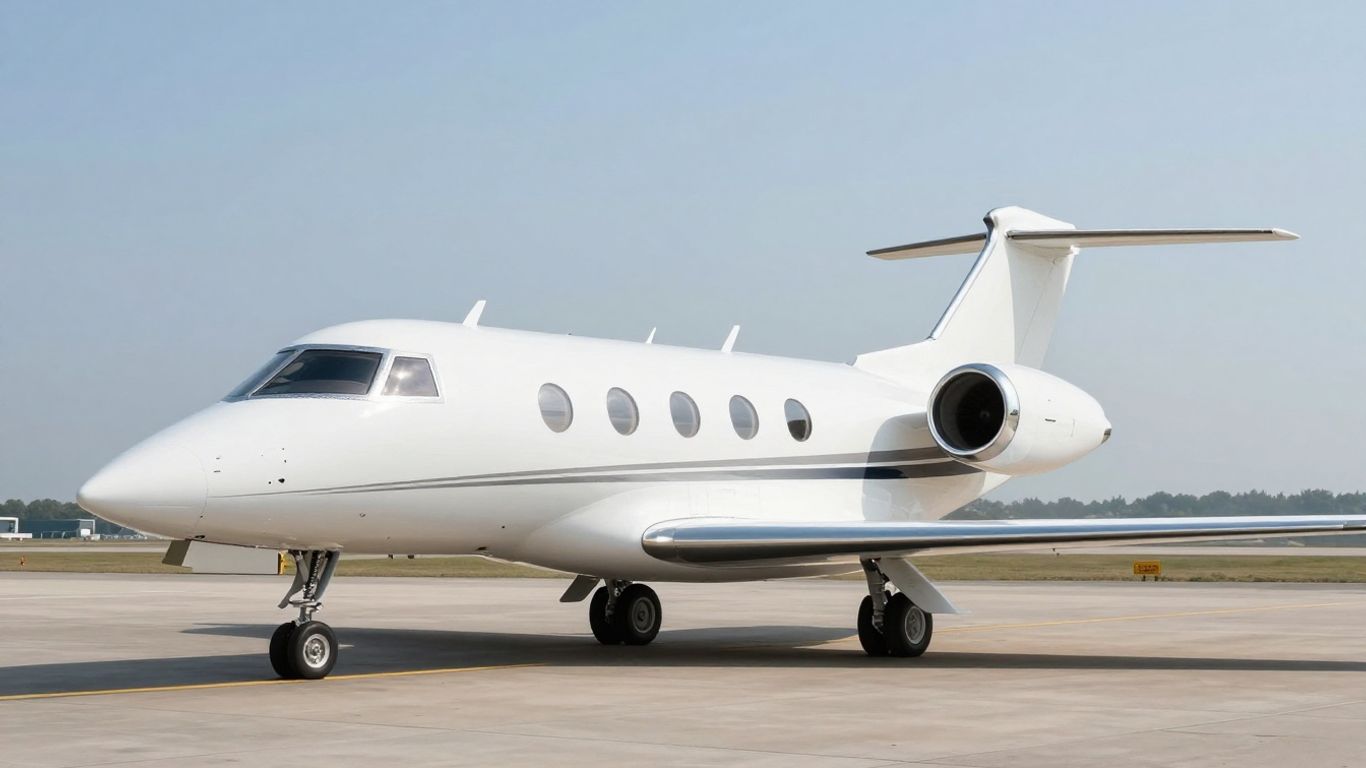
Thinking about flying somewhere new without all the usual airport hassle? You might have heard of JSX planes. They’re kind of a different way to travel, aiming to give you a smoother, quicker experience than you’d get on a regular commercial flight. It’s not quite a private jet, but it’s definitely a step up from coach. Let’s break down what makes flying JSX unique, from the planes themselves to where they can take you.
Key Takeaways
- JSX offers a travel experience that feels more private, letting you skip the big crowds and long lines by using separate terminals.
- Their planes are Embraer jets, with seating arrangements designed for more space and comfort, unlike typical airline seating.
- You can fly JSX on set routes that run regularly, or sometimes on special pop-up routes, and they also offer charter options.
- The whole point is to make flying easier, so you can show up much closer to your departure time and enjoy perks like snacks and Wi-Fi onboard.
- Booking is done online, much like a standard airline, with different fare types to choose from depending on your needs.
Discover the JSX Fleet
When you think about flying, especially if you’re looking for something a bit different from the usual commercial grind, JSX’s fleet is definitely worth a look. They’ve built their whole operation around a specific type of aircraft that really suits their model of semi-private travel.
Embraer ERJ Aircraft
JSX primarily uses Embraer ERJ aircraft, specifically the ERJ-135 and ERJ-145 models. These are regional jets, which means they’re not designed for super long, coast-to-coast hauls, but they’re perfect for the kind of routes JSX typically flies. Think shorter hops within regions or to destinations that might be a bit harder to reach with larger planes. They’ve got about 48 of these planes in their fleet right now. It’s interesting because these jets are older, and sometimes you can spot a bit of wear and tear, but JSX is planning to update them to match the newer ones. It’s a practical choice for their business model, focusing on efficiency for shorter trips.
Seating Configuration
This is where JSX really starts to feel different. Forget those cramped rows of seats you’re used to. On their ERJ-135 jets, you’ll find a 2-1 seating arrangement. The ERJ-145s, which make up most of their fleet, go a step further with a 1-1 configuration. This means every seat is essentially a solo seat with a bit of extra space, and some even have a small table built into the side. All seats come with tray tables, and the seats themselves are upholstered in gray leather. It’s a setup that gives you more personal space than you’d typically get on a commercial flight, feeling more like a first-class cabin.
Future Fleet Plans
JSX isn’t just sticking with what they have. They’ve announced some pretty ambitious plans for the future, looking to acquire over 300 hybrid-electric aircraft starting around 2028. This includes planes like the nine-seat Electra eSTOL, the 19-seat Aura Aero Era, and the 30-seat Heart Aerospace ES-30. The idea behind this is to significantly cut down on service costs and open up possibilities for flights to a lot more airports across the U.S., over 2,000 of them, in fact. It’s a big move that could really change how people travel regionally.
The choice of Embraer regional jets, with their specific seating configurations, is a deliberate one. It allows JSX to offer a more spacious and comfortable experience compared to traditional airlines, while also being practical for the routes they serve. Their forward-thinking plans for hybrid-electric aircraft signal a commitment to evolving the travel landscape.
JSX has partnered with Alterra Mountain Company, aiming to provide an ultimate winter experience by combining their unique travel services with Alterra’s renowned terrain. This collaboration shows their interest in creating special travel packages.
Navigating JSX Destinations
JSX flies to a bunch of places, and they do it in a few different ways. It’s not just your typical airline route map, which is part of what makes them stand out. They’ve got the regular flights you can count on, but also some fun, pop-up options and even ways to book the whole plane if you’ve got a group.
Scheduled and Seasonal Routes
These are the bread and butter of JSX’s operations. Think of them as the routes that are always there, or at least for a good chunk of the year. They have set schedules, so you know when flights are supposed to run, making it easier to plan your trips. While their network is always growing, you’ll find consistent service on popular corridors, especially connecting the West Coast with places like Texas and other popular vacation spots. It’s their main way of getting people from point A to point B.
Pop-Up Routes
This is where things get a little more interesting. JSX sometimes adds "pop-up" routes. These aren’t your everyday flights; they might pop up for a specific event, a holiday season, or just because they see a demand for it. It’s a cool way for them to test out new markets or serve a need that pops up unexpectedly. Keep an eye on their website or app because these can be a great opportunity to fly somewhere new or convenient that isn’t usually on their regular schedule.
Charter Flight Options
If you’ve got a group and want to travel together, or maybe you just want the whole plane to yourselves, JSX offers charter options. This is different from booking a seat on a scheduled flight. When you charter, you’re essentially renting the aircraft for your group. This gives you a lot more flexibility in terms of timing and sometimes even the specific airports they can use, though it comes at a different price point than buying individual tickets. It’s a way to get that private jet feel without necessarily having to own one.
JSX’s approach to destinations is pretty flexible. They balance the reliability of scheduled flights with the spontaneity of pop-up routes and the exclusivity of charters. This means there’s usually a way to fly with them, whether you’re planning way ahead or looking for a last-minute trip.
The Unique JSX Experience
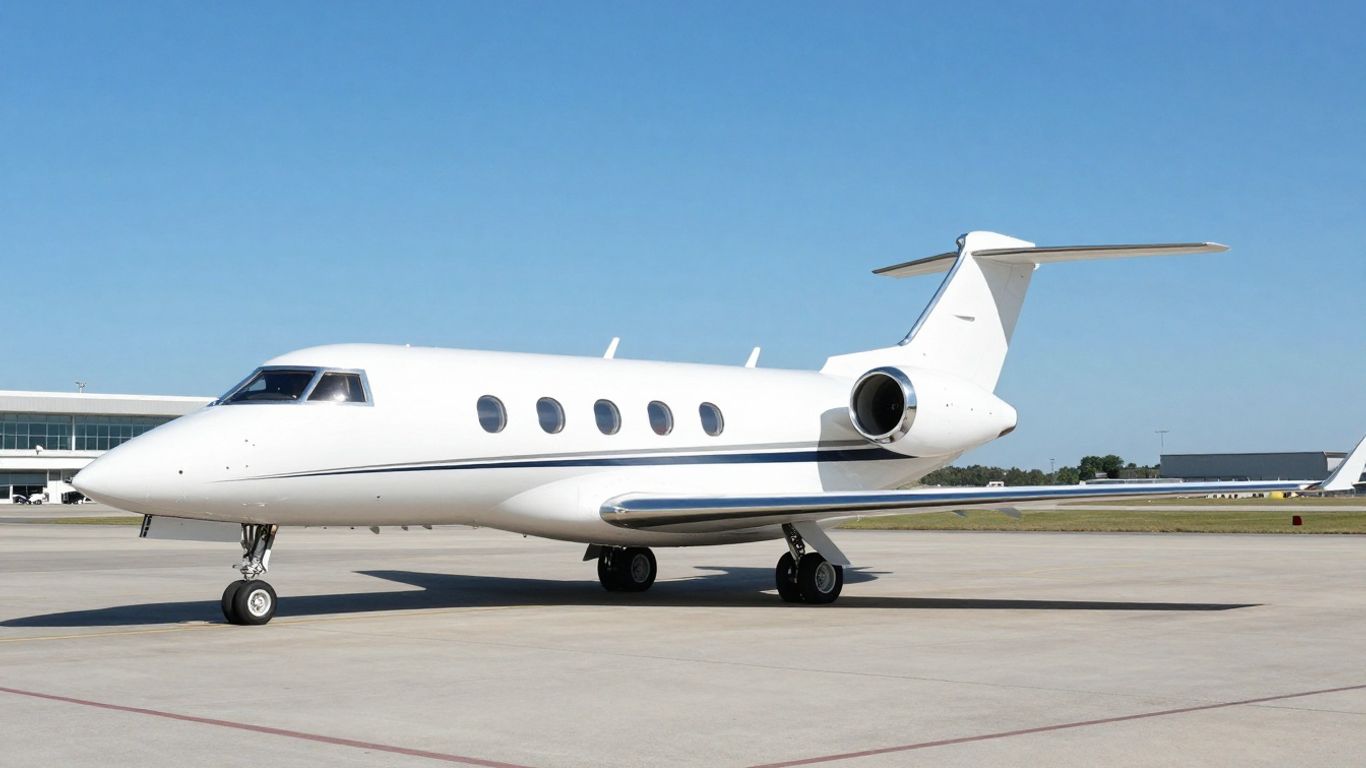
Flying with JSX is a bit different from your typical airline trip. It’s designed to feel more like a private jet experience without the private jet price tag. Think less hassle, more comfort. The whole point is to get you from point A to point B without the usual airport drama.
Private Terminal Convenience
Forget the massive, crowded terminals. JSX uses smaller, dedicated private terminals. This means you can usually show up just 15-20 minutes before your flight. You’ll check in your bags and get your boarding pass right there. It’s a much more relaxed way to start your journey. No long lines, no frantic rushing through security. It’s a breath of fresh air compared to the commercial airport scene. You can find out more about their private terminal locations on their website.
Onboard Amenities
Once you’re on the plane, the comfort continues. JSX planes have a unique seating arrangement. On the Embraer 145 jets, it’s a 1×1 configuration, meaning every seat is a solo seat with extra space. On the Embraer 135s, it’s a 2×1 setup. Either way, you get more legroom than you’d typically find on a standard airline. Plus, they offer:
- Complimentary snacks and drinks (yes, including alcoholic beverages).
- Free high-speed Starlink Wi-Fi.
- Power outlets at every seat.
- A flight attendant to help you out.
There aren’t any fancy in-seat entertainment screens, but with the Wi-Fi and the comfy seats, most people don’t miss them.
Baggage Policy
JSX is pretty generous with baggage. You’re generally allowed two checked bags at no extra cost. This is a big plus if you’re traveling for business or need to bring a lot with you. They handle your bags right there at the private terminal, so you don’t have to worry about them getting lost in the shuffle of a big airport. It’s one less thing to stress about when you’re trying to get somewhere important.
The whole idea behind JSX is to cut out the common frustrations of air travel. By using private terminals and offering a more comfortable cabin, they aim to make flying feel less like a chore and more like a pleasant part of your trip.
Booking Your JSX Journey
Ready to book your trip with JSX? It’s pretty straightforward, actually. You can handle the whole process online, either through their website or their handy mobile app. Think of it like booking any other flight, but with a bit more ease.
Online Booking Process
Here’s a quick rundown of how to snag your seat:
- Head over to the JSX website or open the app.
- Choose if you want a "Round Trip" or "One Way" ticket.
- Enter your departure and arrival airports, pick your dates, and tell them how many people are traveling. Then, hit "Search."
- You’ll see a list of available flights, often with a calendar view showing prices for a few days around your chosen date.
- Find the flight that works for you and click "Select."
- You’ll usually see two fare types: "Hop On" (more budget-friendly but less flexible) and "All In" (more flexible with fewer restrictions). Pick the one that fits your needs.
- Review your flight details and the total cost. If everything looks good, click "Continue."
- Next, you’ll fill in the passenger information.
- You might get a chance to pick your seat, or you can skip this step if you prefer.
- Finally, it’s time to pay. Enter your payment details and confirm your purchase.
Fare Options
JSX offers two main fare types, and understanding the difference can save you some money or hassle:
- Hop On Fare: This is their most basic fare. It’s generally the cheapest option, but changes or cancellations come with a fee (around $50 for travel credit). Seat selection also costs extra, usually between $10 and $30. You get two checked bags up to 50 pounds included, plus a small personal item.
- All In Fare: This fare gives you more flexibility. You can change or cancel your flight without any extra fees, as long as you do it at least an hour before departure. Seat selection is free with this fare, and you get a third checked bag included (also up to 50 pounds). It’s typically more expensive than the Hop On fare.
The price difference between these two can be quite significant, so weigh the cost against the flexibility you need.
Payment and Rewards
When it comes to paying for your JSX journey, you can use major credit cards. JSX often codes as an airline for credit card purchases, which can be good news if you have a rewards card that offers bonus points on airfare. It’s worth checking with your card provider to see if you can earn extra points or miles on your JSX booking. If you’re part of a frequent flyer program, you can usually add your number during the booking process or even at the terminal. Just remember to quote your program number when you book or check in.
While JSX isn’t a traditional airline, they do allow you to use certain frequent flyer numbers. It’s a small perk that adds to the overall convenience, especially if you’re already loyal to a specific program.
Understanding the JSX Model

JSX isn’t your typical airline. Think of it more as a semi-private air carrier. They operate by chartering regional jets, specifically Embraer ERJ-135 and ERJ-145 models, and then selling individual seats to the public. This setup lets them offer a travel experience that bridges the gap between commercial flights and full private jet charters. It’s a clever way to give people a taste of luxury without the hefty price tag of booking an entire plane.
Semi-Private Air Carrier
So, what does "semi-private" really mean in practice? Well, JSX operates out of private terminals, often called fixed-base operator (FBO) terminals. This is a big deal because it means you bypass the crowded main airport terminals. Instead of long lines and TSA pat-downs, you go through a simpler background check. This allows JSX to get you from the curb to your seat in a fraction of the time. You can often arrive just 20 minutes before your flight and still make it on board. It feels a lot like private jet travel, but you’re sharing the aircraft with other passengers, much like a commercial flight, just with way more legroom and better service.
Operational Bases
JSX focuses its operations primarily in the Sun Belt region of the United States, though they are expanding. Their main hubs are strategically located to serve popular leisure and business destinations. You’ll find them operating out of:
- Hollywood Burbank Airport (BUR) in California
- Dallas Love Field (DAL) in Texas
- Harry Reid International Airport (LAS) in Las Vegas, Nevada
- Miami-Opa Locka Executive Airport (OPF) in Florida
- Scottsdale Airport (SCF) in Arizona
These bases allow them to connect cities efficiently, often with routes that aren’t well-served by major commercial carriers. They’re also looking to the future, with plans to acquire hundreds of new hybrid-electric aircraft, which could open up even more routes and lower costs.
Competitive Landscape
JSX carves out a unique niche. They aren’t competing directly with the big airlines on price for every route, nor are they trying to be a full-service private charter company. Their sweet spot is for travelers who want more convenience and comfort than a standard economy or even business class ticket provides, but find the cost of chartering a whole jet prohibitive. They offer a "best of both worlds" scenario, providing a more exclusive feel and faster airport process at a price point that’s more accessible than true private aviation. This model appeals to a growing segment of travelers looking for an elevated experience without breaking the bank, making them a distinct player in the air carrier market.
The core of JSX’s model is about efficiency and passenger experience. By using smaller regional jets and operating from private terminals, they cut down on the time and hassle typically associated with air travel. This allows them to offer a service that feels more exclusive and convenient, all while managing costs effectively.
Wrapping Up Your JSX Journey
So, there you have it. JSX really does offer a different way to travel, kind of like a middle ground between the usual commercial flights and full-on private jets. You get a lot of the perks, like less hassle at the airport and a more comfortable seat, without the crazy price tag of chartering a whole plane. Whether you’re heading to a popular spot or a more out-of-the-way destination, it seems like JSX has carved out a pretty neat niche for itself. It’s definitely worth considering if you’re looking for a smoother, quicker travel experience, especially for those shorter hops.
Frequently Asked Questions
What makes flying with JSX different from a regular airline?
JSX offers a more private-feeling experience. You fly out of special, smaller terminals instead of the big, busy ones. This means no long lines or huge crowds. You can even show up just minutes before your flight leaves!
What kind of planes does JSX use?
JSX uses Embraer jets, specifically the ERJ-135 and ERJ-145 models. These planes are set up with fewer seats, usually in a 1-2 or 1-1 arrangement, giving you more space.
What are the seating arrangements on JSX planes?
The planes have a comfortable seating setup. Some have a 1-2 layout, while others offer a 1-1 layout, meaning you might have a whole row to yourself with a small table.
What can I expect on board a JSX flight?
You’ll enjoy comfy leather seats with plenty of legroom, similar to first class on bigger airlines. They also provide free snacks, drinks (including alcoholic ones), and fast Wi-Fi.
How do I book a JSX flight?
Booking is simple! You can do it all online through the JSX website or their mobile app. Just search for your route, pick your flight, and complete the payment, much like booking any other flight.
What destinations does JSX fly to?
JSX flies to many places, mostly on the West Coast and in Texas, but they are adding new routes. They offer regular flights, seasonal ones to popular spots, and even charter options if you need something specific.