
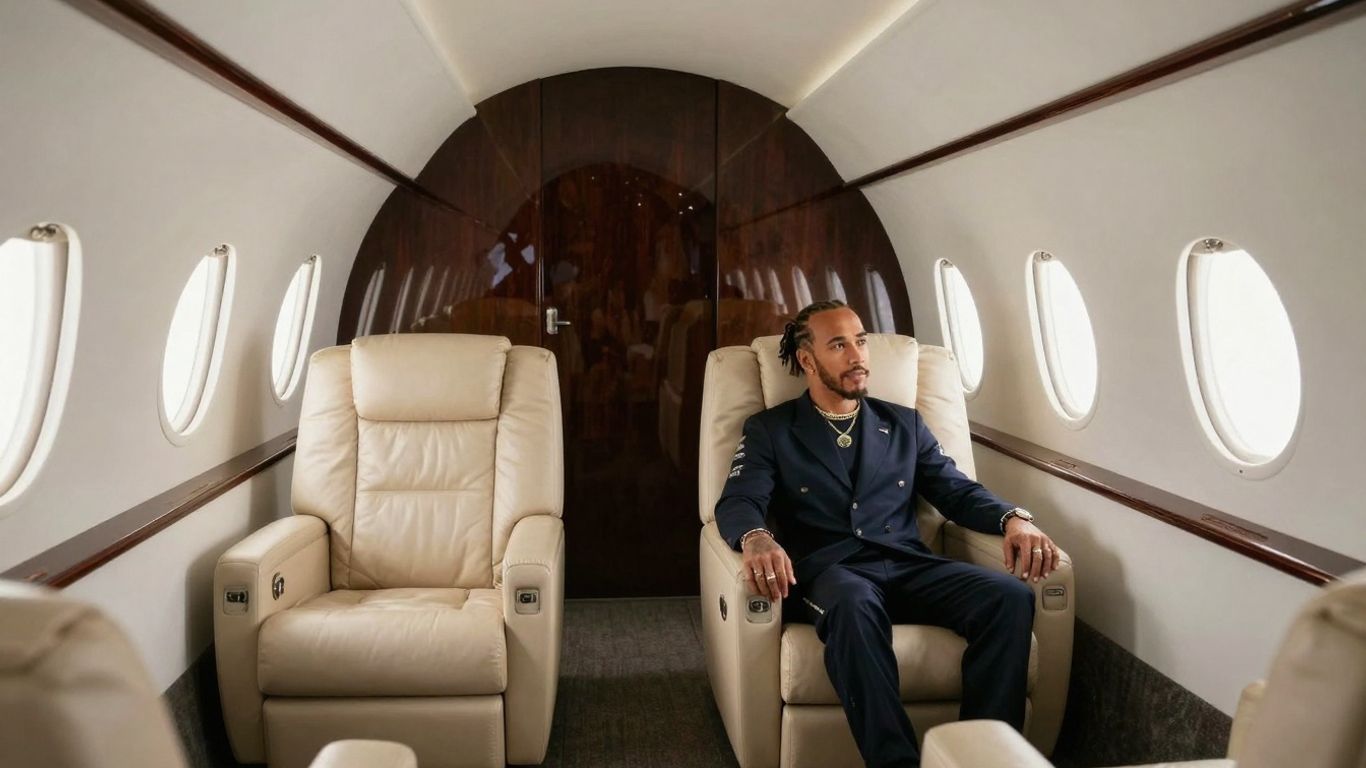
Lewis Hamilton is known for a lot of things – fast cars, winning races, and a pretty flashy lifestyle. For a while there, he had his own private jet, a Bombardier Challenger 605, which he used to get around the world. It was a big deal, a real symbol of his success. But things change, and Lewis has actually sold that jet. Let’s take a look at what his private jet life was like and what he’s up to now.
Key Takeaways
- Lewis Hamilton once owned a Bombardier Challenger 605 private jet, purchased in 2013 for around $23 million.
- The custom jet featured a striking red exterior and a luxurious interior with a king-size bed, kitchen, and advanced entertainment systems.
- Hamilton sold his private jet in 2019, citing environmental concerns and a desire to reduce his carbon footprint.
- Currently, Lewis Hamilton travels using chartered flights or first-class commercial options for flexibility and privacy.
- Despite no longer owning a private jet, Hamilton maintains a lifestyle of luxury with interests in yachts and properties, and supports sustainable aviation’s future.
The Iconic Bombardier Challenger 605
A Lavish Acquisition for a Superstar
Back in 2013, Lewis Hamilton made a pretty significant purchase: a Bombardier Challenger 605. This wasn’t just any plane; it was a $23 million investment, a clear signal of his status as a global Formula 1 champion. For someone with a schedule as packed as Hamilton’s, hopping between continents for races and sponsor events, having his own jet made a lot of sense. It was more than just a way to get around; it was a tool that allowed him to maintain peak performance by traveling in comfort and on his own terms. It really fit the image of a top-tier athlete who demands the best.
Customization and Comfort Features
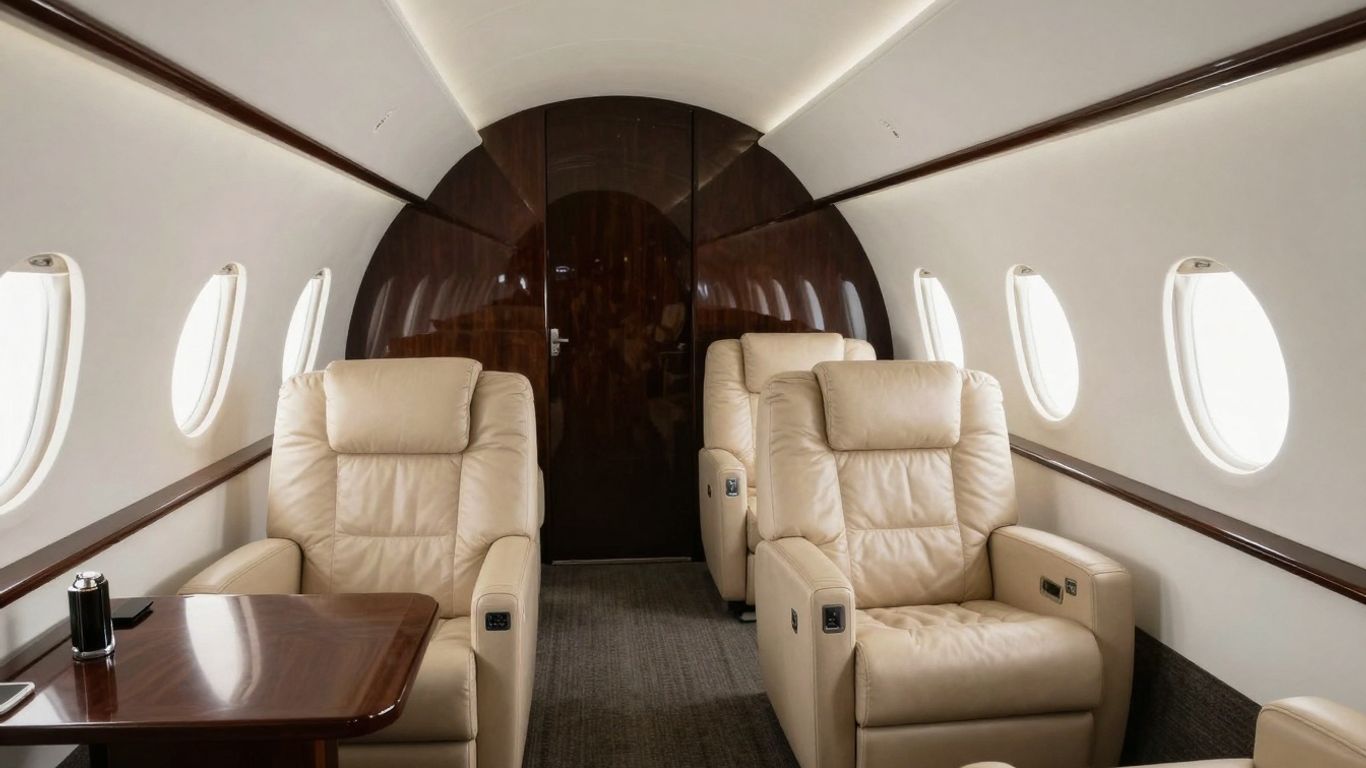
This Challenger 605 wasn’t your standard off-the-shelf model. Hamilton opted for a striking, custom red paint job, which definitely made it stand out on the tarmac. Inside, it was kitted out for serious comfort. Think plush leather seating, a proper bathroom, and a fully equipped kitchen, or galley as they call it on planes. It could carry up to ten passengers, plus the crew, so he could bring along his team or family. The cabin was designed to be quiet too, with good insulation against engine noise, which is a big deal when you’re trying to relax or get some work done at 30,000 feet.
Personalized Touches on the Lewis Hamilton Private Jet
Beyond the bold red exterior, there were other subtle nods to its famous owner. His initials and racing number were reportedly featured on the tail, a nice personal touch. The interior wasn’t just about luxury; it was about functionality for a high-profile individual. With advanced entertainment systems and high-speed Wi-Fi, it was essentially a flying office and lounge. Large windows offered great views, making the long journeys a bit more pleasant. It was a space designed for both productivity and relaxation, reflecting Hamilton’s demanding lifestyle.
| Feature | Specification |
|---|---|
| Model | Bombardier Challenger 605 |
| Purchase Year | 2013 |
| Approximate Cost | $23 million |
| Passenger Capacity | Up to 10 |
| Range | Approx. 4,000 nautical miles |
| Max Speed | Approx. 541 mph (870 km/h) |
| Notable Feature | Custom red exterior, personalized tail details |
The Bombardier Challenger 605 represented a significant investment for Lewis Hamilton, providing a private and efficient means of travel that aligned with his demanding international racing schedule and his status as a global sports icon. It was a blend of performance, luxury, and personal expression.
Inside the Luxurious Cabin
Spacious Seating and Ambiance
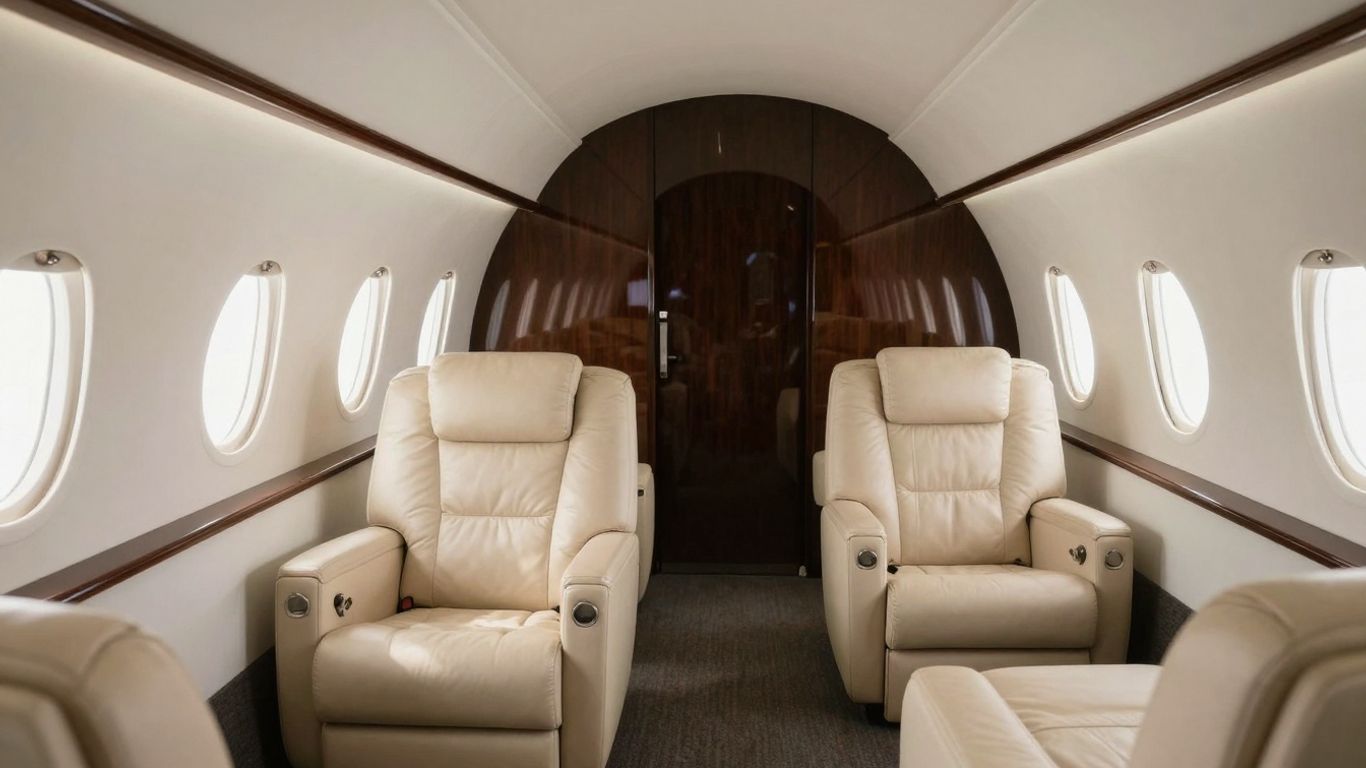
The Bombardier Challenger 605, Lewis Hamilton’s former private jet, was designed with passenger comfort and a sense of spaciousness in mind. It could comfortably fit up to ten guests, plus the three-person crew. The cabin wasn’t just about fitting people in; it was about creating a pleasant environment. Large windows let in a lot of natural light, offering great views of the world passing by below. This made the cabin feel more open and less confined, which is a big deal when you’re spending hours in the air.
Premium Amenities for Ultimate Comfort
When you’re traveling as much as Lewis Hamilton does, comfort is key. His jet was kitted out with features to make the journey as smooth as possible. Think plush leather seats, a fully equipped kitchen for preparing meals, and a proper bathroom. For someone who needs to be in top physical condition for races, having these amenities onboard made a huge difference. The inclusion of a king-size bed was particularly important, recognizing that quality rest is vital for peak performance. There was also a dedicated space that could function as a small fitness area, allowing for workouts even at cruising altitude.
Advanced Entertainment and Connectivity
Long flights can get boring, so Hamilton’s jet came with modern entertainment systems. While specific details are scarce, it’s safe to assume it had options for watching movies or listening to music. More importantly for a global athlete, high-speed Wi-Fi was a standard feature. This meant he could stay connected with his team, manage business affairs, or simply keep up with social media while flying between continents. The jet was also well-insulated, cutting down on engine noise to provide a more peaceful travel experience.
The interior wasn’t just about luxury; it was about creating a functional space that supported Hamilton’s demanding career. Every element, from the comfortable seating to the connectivity options, was chosen to help him arrive at his destination ready to perform at his best.
Performance and Practicality
Range and Speed for Global Travel
The Bombardier Challenger 605 was chosen for its impressive performance metrics, making it a practical choice for Lewis Hamilton’s demanding global schedule. This jet boasts a substantial range, allowing for non-stop flights between many major cities and race locations without the need for refueling stops. Its speed is also a significant factor, cutting down travel time considerably. This means more time for rest, training, or personal commitments, which is vital for an athlete operating at the highest level.
| Specification | Value |
|---|---|
| Max Range | Approximately 4,000 nautical miles (7,408 km) |
| Max Speed | Around 541 mph (870 km/h) |
Optimizing the Lewis Hamilton Private Jet for Success
Beyond just getting from A to B, the jet was configured to support Hamilton’s performance. The ability to sleep comfortably on board, thanks to features like a king-size bed, was paramount for recovery. Having an onboard fitness area also meant he could maintain his training regimen even during long journeys. This focus on well-being directly translated into better performance on the track. It wasn’t just about luxury; it was about creating an environment that fostered peak physical and mental condition.
- Prioritizing Rest: A comfortable sleeping area was essential for recovery between races.
- Maintaining Fitness: Onboard gym facilities allowed for consistent training.
- Reducing Travel Fatigue: Minimizing transit time and maximizing comfort helped combat exhaustion.
The Advantage of Personal Aviation
For someone with Hamilton’s schedule, owning a private jet offered a distinct edge. It provided unparalleled flexibility, allowing him to travel on his own terms, adapting to last-minute changes or unexpected opportunities. This control over his travel arrangements is invaluable when juggling race commitments, sponsor events, and personal engagements. It’s about having the freedom to move when and where needed, without the constraints of commercial airline schedules.
The ability to depart and arrive according to a personal timetable, rather than a fixed airline schedule, is a significant benefit for any busy individual, especially a world-class athlete. This level of control directly impacts efficiency and reduces the stress associated with constant travel.
The Shift Towards Sustainability
Environmental Concerns Drive Change
It seems like just yesterday Lewis Hamilton was cruising the skies in his own private jet, a symbol of his incredible success. But as the years went by, something shifted. Hamilton became increasingly vocal about environmental issues, and it became clear that his lifestyle needed to catch up with his values. The environmental impact of private aviation, even for a single jet, is significant, and Hamilton, being so public, felt the weight of that responsibility. He started looking at ways to reduce his carbon footprint, and that meant re-evaluating how he traveled the globe for races and other commitments. It wasn’t just about personal convenience anymore; it was about making a statement and trying to influence others.
The Decision to Sell the Lewis Hamilton Private Jet
In 2019, Hamilton made a pretty big move: he sold his Bombardier Challenger 605. This wasn’t a small decision, especially considering how much private jets offer in terms of flexibility and comfort for someone with his demanding schedule. Reports suggested he sold it for less than he paid, which really shows he was serious about this change. It was a clear signal that he was prioritizing sustainability over the perks of private ownership. This move aligned him with his growing advocacy for environmental causes, making his actions match his words. It’s a big deal when someone with that much influence makes such a tangible change, especially when it involves giving up something so luxurious. He wanted to lead by example, and selling the jet was a major part of that. It’s a powerful example of how sporting events can be leveraged to promote environmental action.
Embracing Eco-Friendly Travel Alternatives
So, what does life look like for Hamilton’s travel now? He hasn’t stopped traveling, of course – the F1 circuit demands it. But he’s adapted. He often opts for commercial flights when it makes sense, even if it means dealing with more hassle. He’s also a big proponent of electric vehicles and has invested in various green initiatives. It’s a whole lifestyle shift.
Here’s a look at how his travel approach has changed:
- Prioritizing Commercial Flights: When feasible, he chooses scheduled airlines over private charters.
- Investing in Green Tech: He supports businesses and projects focused on renewable energy and sustainable solutions.
- Advocacy and Awareness: He uses his platform to speak out about climate change and encourage others to make eco-conscious choices.
While the allure of private air travel is undeniable for its efficiency, the growing awareness of climate change has prompted a re-evaluation of its necessity. For individuals like Hamilton, the decision to transition away from private jet ownership represents a significant personal commitment to environmental responsibility, influencing perceptions and potentially inspiring broader industry shifts towards more sustainable practices.
His commitment extends beyond just travel; he also follows a vegan diet and supports numerous eco-friendly businesses. It’s a pretty comprehensive approach to living more sustainably, showing that luxury and environmental consciousness can indeed go hand-in-hand.
Current Travel Arrangements
So, Lewis Hamilton doesn’t actually own a private jet anymore. It’s a big change from how things used to be, but it makes sense when you think about it. The F1 schedule is absolutely wild, and plans can change on a dime. Because of this, he’s shifted to a more flexible approach to getting around.
Chartered Flights for Flexibility
When he needs to fly privately, Lewis often goes with chartered flights. This is a smart move because it gives him a lot of control over his travel. He can pick the exact plane he wants, the times he flies, and where he goes, all while keeping things private. This is super important when you’re dealing with tight schedules and need to be in different places quickly.
- Adaptability: Can change flight plans easily if race schedules or sponsor events shift.
- Privacy: Offers a secure and discreet travel environment.
- Convenience: Direct flights to smaller, less common airports near race tracks or event locations.
First-Class Commercial Travel
For some trips, especially those that might be less time-sensitive or when privacy isn’t the absolute top priority, Lewis opts for first-class on commercial airlines. It’s still a comfortable way to travel, offering a good level of service and space, which is important for someone who needs to rest and be ready for intense competition. It’s a practical choice that balances comfort with the realities of global travel.
Balancing Commitments with Personal Time
Ultimately, the way Lewis travels now is all about making things work. It’s not just about getting from A to B; it’s about managing a super demanding career that takes him all over the world. Using charters and first-class flights helps him find a balance. It means he can focus on racing, attend all his other obligations, and still find time for himself and his family. It’s a practical strategy for a global superstar.
The shift away from private jet ownership isn’t about giving up luxury, but about adopting a more adaptable and perhaps more sensible way to manage the constant demands of a high-profile international career. It’s about efficiency and making sure he’s always in the best possible shape, no matter where the next race takes him.
Beyond the Lewis Hamilton Private Jet
So, Lewis Hamilton’s famous red Bombardier Challenger 605 is no longer part of his life. But that doesn’t mean his taste for the finer things in travel and life has changed one bit. He’s still a guy who appreciates comfort, speed, and, well, luxury. It’s just that his approach to getting around has evolved, and he’s also got other big-ticket items that show off his success.
A Passion for Luxury Yachts
When he’s not on the move for races or other commitments, you might find Lewis kicking back on the water. He’s known to own a pretty sweet yacht. We’re talking about a Sunseeker, a brand that’s pretty well-known for its high-end boats. His particular model is over 90 feet long, which is a decent size for cruising around. It’s the kind of vessel that offers plenty of space to relax and enjoy the sea, a nice contrast to the fast-paced world of Formula 1.
Extensive Global Property Portfolio
Lewis has also put some of his earnings into real estate, and not just a little bit. He’s got properties scattered all over the globe. Think places like London, Geneva, New York, and even Colorado, not to mention his place in Monaco. It’s a collection that’s reportedly worth a hefty sum, well over $78 million. Having homes in so many different spots must make it pretty easy to feel at home wherever his work or leisure takes him.
A Commitment to Sustainable Aviation’s Future
Even though he sold his jet because of environmental concerns, Lewis hasn’t completely sworn off the idea of private air travel. He’s actually shown interest in the future of aviation, particularly when it comes to making it more eco-friendly. It’s a complex issue, for sure. Private jets have a big carbon footprint, and he’s been vocal about wanting to reduce his own impact. But he also understands the need for efficient travel, especially with his schedule. So, while he’s not flying his own jet right now, he’s keeping an eye on developments in sustainable aviation technology. It’s a sign that he’s thinking about the bigger picture, not just his personal convenience.
The shift away from personal jet ownership signals a broader trend among high-profile individuals to balance personal luxury with growing environmental awareness. It’s a complex dance between maintaining a demanding lifestyle and acknowledging the planet’s needs.
More Than Just a Ride
So, Lewis Hamilton’s private jet days might be behind him, but it’s clear his approach to travel has always been about more than just getting from A to B. That bright red Bombardier Challenger 605 was a symbol of his success and a tool for peak performance, letting him rest and prepare for races. Now, even though he’s switched to chartered flights and first-class seats, he’s still showing us that you can be a global superstar and still think about the planet. It’s a pretty cool evolution, honestly, proving that luxury and being mindful of the environment don’t always have to be at odds.
Frequently Asked Questions
Did Lewis Hamilton own a private jet?
Yes, Lewis Hamilton used to own a private jet. He bought a Bombardier Challenger 605 back in 2013. It was quite a fancy plane, painted bright red, and he used it for a few years to travel to races and other events around the world.
What kind of private jet did Lewis Hamilton have?
Lewis Hamilton’s private jet was a Bombardier Challenger 605. This type of jet is known for being spacious and comfortable, perfect for long trips. It could fly pretty far and fast, making it ideal for his busy international schedule as a Formula 1 driver.
Why did Lewis Hamilton sell his private jet?
Lewis Hamilton decided to sell his private jet because he became more focused on being environmentally friendly. He realized that private jets have a big impact on the planet’s air quality. So, he sold it in 2019 to help lower his carbon footprint and support a more sustainable lifestyle.
How does Lewis Hamilton travel now?
Since selling his own jet, Lewis Hamilton now travels using other methods. He often books chartered private flights, which gives him flexibility and privacy. Sometimes, he also flies first class on commercial airlines for his journeys.
Does Lewis Hamilton still like luxury travel?
Even though he doesn’t own a private jet anymore, Lewis Hamilton still enjoys luxury. He has a fancy yacht where he likes to relax. Plus, he owns several beautiful homes in different parts of the world, showing he still appreciates the finer things in life.
Is Lewis Hamilton interested in eco-friendly planes?
It’s very possible! Lewis Hamilton is a big supporter of sustainability. As the aviation industry works on developing greener planes, like those that use electricity or hydrogen, he might become involved in promoting or using these new, eco-friendly flying options in the future.