
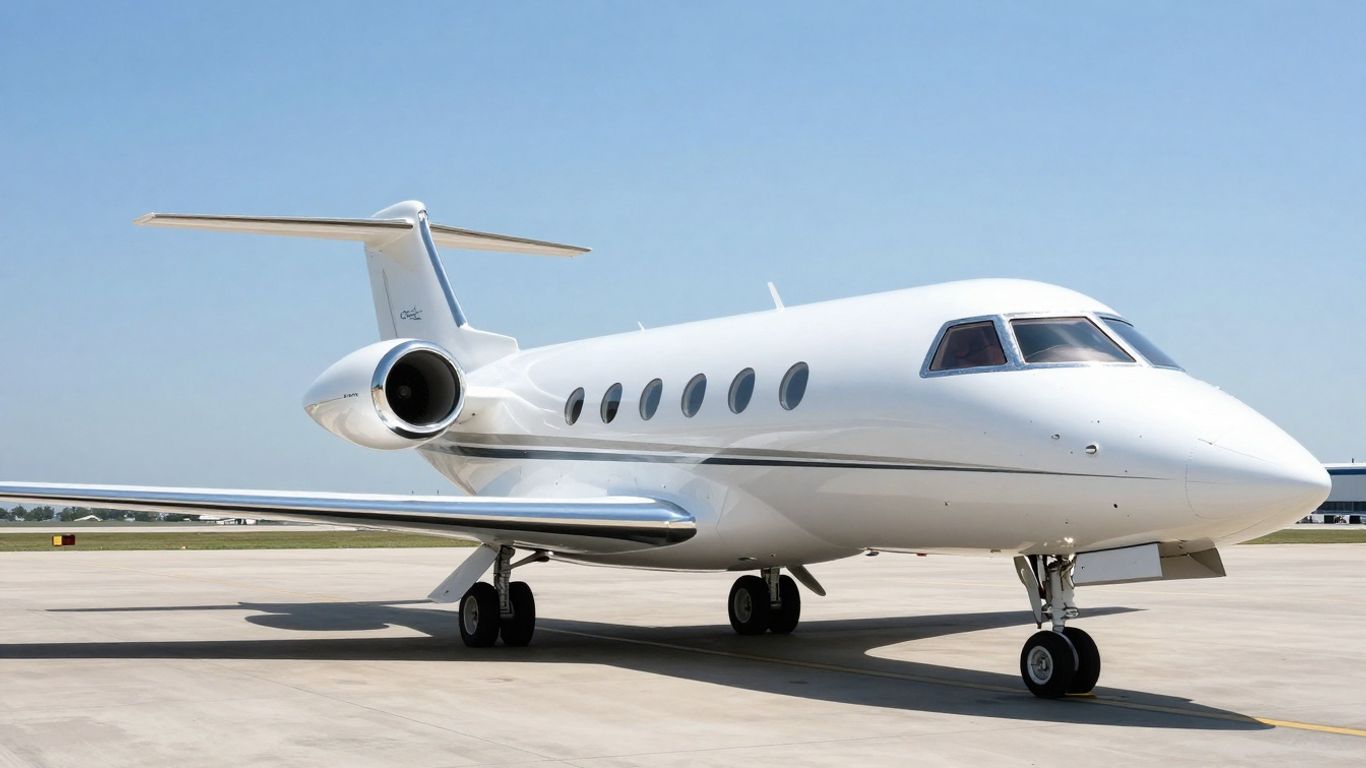
Thinking about private air travel and wondering about NetJets? It’s a common question: how much is a NetJet, really? It’s not quite as simple as buying a car. NetJets operates on a fractional ownership model, which means you’re buying a share of an aircraft, not the whole thing. This approach has its own set of costs and benefits, and understanding them is key to figuring out if it’s the right fit for you. We’ll break down what goes into the price tag, from flight hours to management fees, so you can get a clearer picture of the investment involved.
Key Takeaways
- NetJets offers a fractional ownership model, where you buy a share of an aircraft, not the entire plane.
- The pricing isn’t just a single number; it’s broken down into hourly flight costs, monthly management fees, and variable expenses like fuel surcharges.
- Factors like the type of jet you choose, how often you plan to fly, and where you fly from significantly impact the overall cost.
- Beyond the main costs, be prepared for additional expenses such as landing fees, catering, and crew overnight charges.
- Comparing NetJets to other options like jet cards or full aircraft ownership helps clarify its position in the private aviation market.
Understanding NetJets: How Much Is A NetJet?
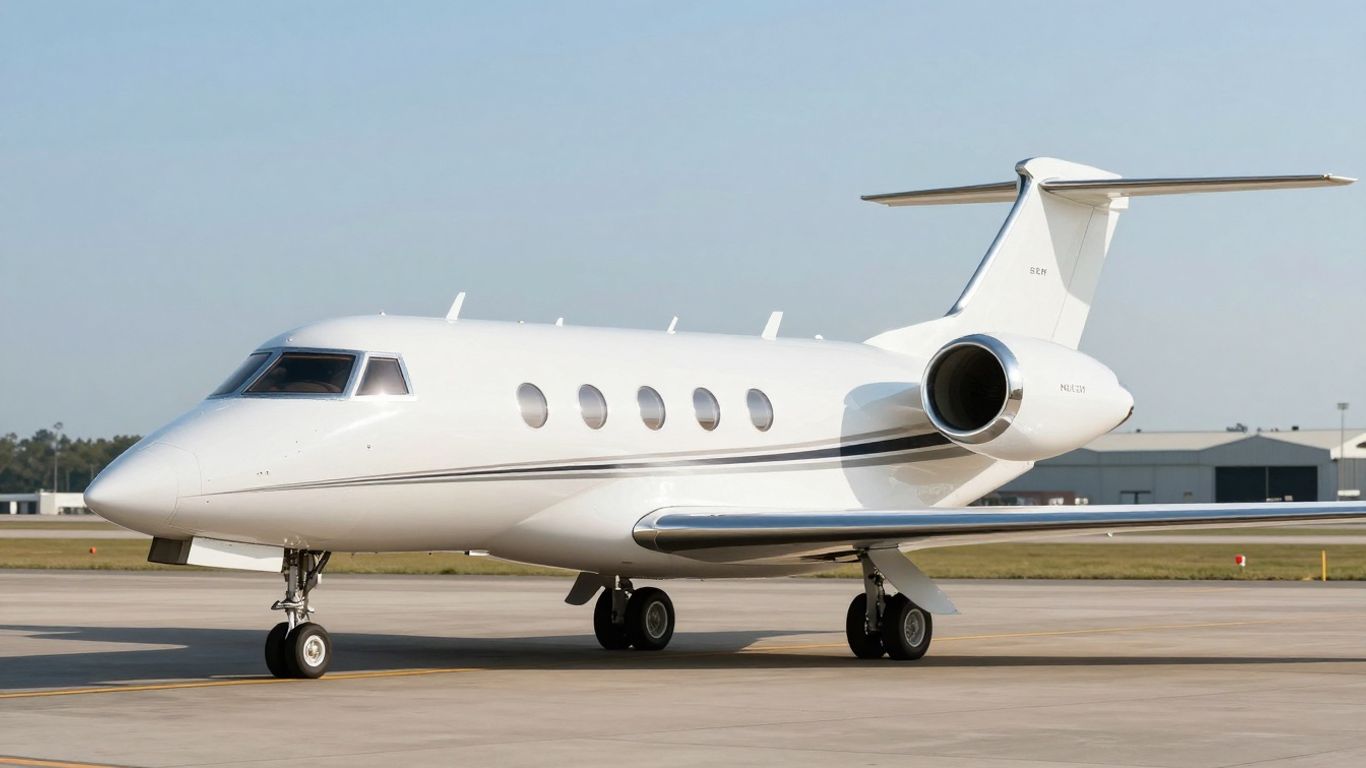
So, you’re curious about the price tag of a NetJet, huh? It’s not quite as simple as picking a car off a lot. NetJets operates on a fractional ownership model, which means you’re not buying a whole plane, but rather a share of one. Think of it like owning a slice of a very fancy pie. This approach lets you access private aviation without the massive headache and cost of owning and managing an entire aircraft yourself.
Defining NetJets and Fractional Ownership
Fractional ownership with NetJets means you purchase a block of flight hours on a specific type of aircraft. You’re essentially buying a portion of that jet’s availability. This isn’t just about buying hours, though; it comes with rights and responsibilities, including a share in the aircraft’s operating costs. It’s a way to get the benefits of private travel – convenience, flexibility, and time savings – without the full burden of ownership.
The All-Inclusive Pricing Model
NetJets uses what they call an "all-inclusive" pricing structure. This sounds great, and for the most part, it is. It means that many of the costs you’d expect are bundled together. This typically includes:
- Hourly Flight Costs: This is the big one, covering the actual time spent in the air. It varies based on the aircraft size and type.
- Monthly Management Fees: These cover the day-to-day operations, like crew, maintenance scheduling, and administrative support. It’s the cost of keeping the aircraft ready and managed.
- Fuel Surcharges: While often included, there can be adjustments based on fluctuating fuel prices. This is a variable component that can change.
Factors Influencing NetJet Costs
Even with an "all-inclusive" model, the final price isn’t set in stone. Several things play a role:
- Aircraft Type: Smaller jets cost less per hour than larger, long-range aircraft. You’re paying for the size and capability.
- Your Usage: How many hours do you plan to fly each year? The more you fly, the more your share of the costs will add up.
- Geographic Location: While NetJets is a global operation, demand in certain regions can sometimes influence pricing or availability.
It’s important to remember that fractional ownership is a commitment. You’re investing in a service and a share of an asset, which means there’s an upfront cost and ongoing expenses to consider. It’s not a pay-as-you-go service like a charter, but rather a more structured, long-term arrangement for frequent flyers.
Core Components of NetJet Pricing
So, you’re curious about what actually goes into the price tag of a NetJet? It’s not just a simple hourly rate, though that’s a big part of it. Think of it more like a subscription service for private air travel, with a few different layers to consider.
Hourly Flight Costs
This is probably the most straightforward part of the equation. When you fly, you’re paying for the time the aircraft is in the air. This rate varies quite a bit depending on the type of jet you’re using. Smaller, lighter jets will naturally cost less per hour to operate than a larger, long-range aircraft. It covers things like fuel, pilot salaries, and the general wear and tear on the plane itself. The longer you fly, the more this component adds up, obviously.
Monthly Management Fees
Beyond the actual flight time, there’s a recurring monthly fee. This fee is for the "fractional ownership" aspect. You’re not just renting a plane; you’re buying a share in one. This fee helps cover the costs associated with keeping the aircraft ready for you, whenever you need it. It includes things like:
- Maintenance and hangar space
- Insurance for the aircraft
- Crew training and salaries (when not actively flying)
- Administrative costs for managing your share of the aircraft
This fee is pretty consistent, regardless of how much you fly in a given month. It’s the cost of having that asset available to you.
Fuel Surcharges and Other Variable Expenses
Fuel prices can be a bit of a rollercoaster, right? NetJets accounts for this by often including a fuel surcharge. This is usually adjusted periodically based on market prices. It’s a way to keep the hourly flight cost more stable, even when fuel costs fluctuate. Other variable expenses can pop up too, though they’re less common. Think about things like:
- De-icing in winter conditions
- Unexpected maintenance not covered by the standard fees
- International landing fees (if applicable)
These are less predictable but are factored into the overall cost of operating a private jet service.
Understanding these core components is key to grasping the total financial commitment. It’s a blend of usage-based costs and fixed availability fees, all designed to provide a reliable private travel solution.
Estimating Your NetJet Investment
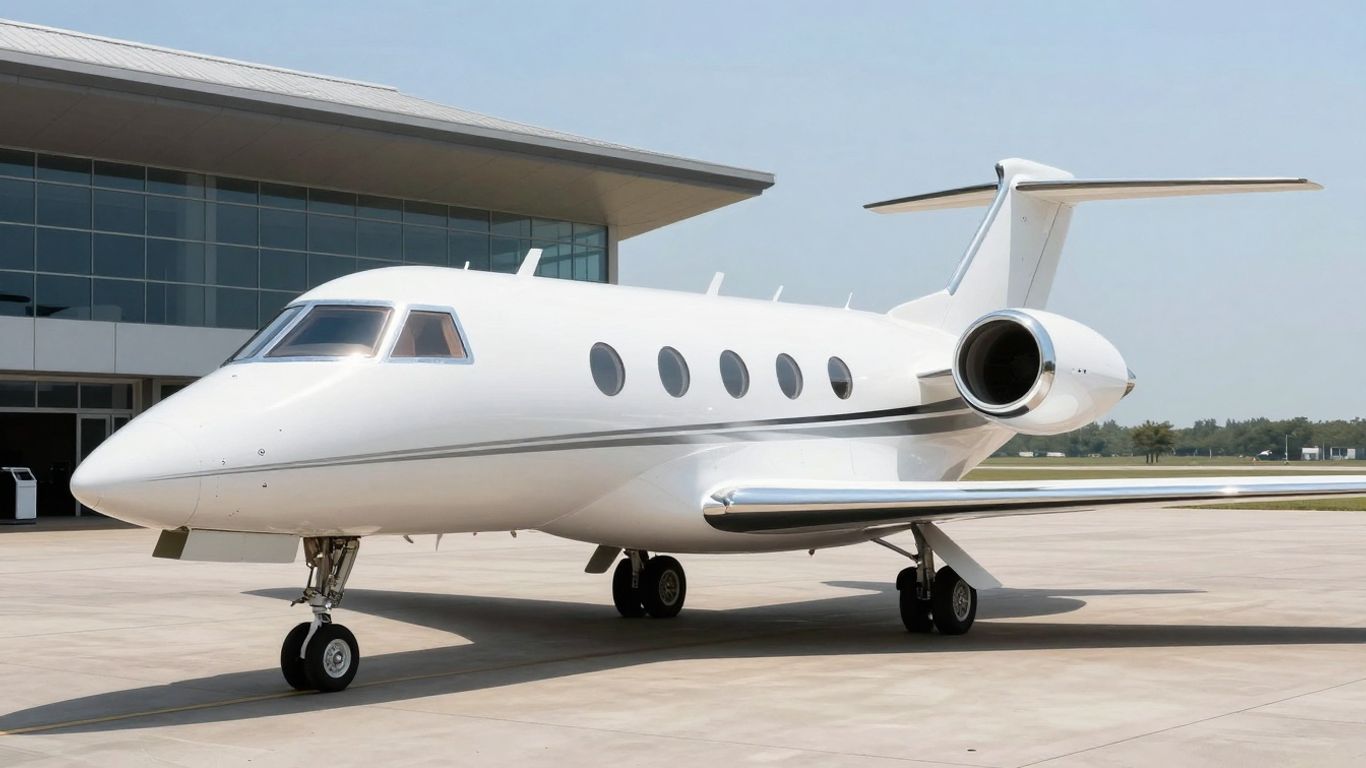
So, you’re thinking about joining the world of private aviation with NetJets. That’s exciting! But before you sign on the dotted line, it’s smart to get a handle on what the investment actually looks like. It’s not just a single price tag; it’s a mix of upfront costs and ongoing expenses that depend on a few key things. Let’s break down how to estimate your potential NetJets investment.
Aircraft Type and Size Considerations
The kind of jet you choose makes a big difference in the overall cost. Think about it like buying a car – a small sedan is going to cost less than a large SUV, right? The same applies to private jets. NetJets has a whole fleet, from smaller, nimble light jets perfect for shorter trips to larger, long-range aircraft that can cross continents.
- Light Jets: Generally the most economical option, suitable for 4-6 passengers on shorter flights.
- Midsize Jets: Offer more cabin space and range, good for 6-8 passengers and medium-haul trips.
- Super-Midsize Jets: Provide even more comfort and longer range, often accommodating 8-10 passengers.
- Large Cabin Jets: The biggest and most luxurious, designed for long-distance travel with ample space for 10+ passengers.
The size and type of aircraft you select will directly impact your initial share cost and your hourly flight rates.
Usage Patterns and Flight Hours
How much you plan to fly is another major factor. Are you a weekend warrior, taking short trips a few times a year, or do you need a jet for frequent, long-distance business travel? Your projected annual flight hours will influence your share size and, consequently, your costs. NetJets offers different share percentages, and the more hours you anticipate flying, the larger a share you’ll likely need. This is where understanding your travel habits really comes into play. If you fly 50 hours a year, your needs will be very different from someone flying 200 hours annually.
Geographic Location and Demand
Where you primarily plan to fly from and to can also play a role. While NetJets operates globally, certain regions might have higher demand or different operational costs. For instance, flying in and out of busy international hubs might involve different fees or availability compared to smaller, regional airports. This can sometimes affect the overall cost structure, though NetJets aims for a consistent experience across its network. It’s worth discussing your typical travel routes with a NetJets representative to get a clearer picture.
It’s important to remember that NetJets operates on an all-inclusive model for its fractional ownership program. This means that once you’ve purchased your share, many of the day-to-day operational costs are bundled into your hourly rate and monthly fees. This simplifies budgeting significantly compared to other private aviation options.
Beyond the Sticker Price: Additional NetJet Expenses
So, you’ve looked at the hourly rates, the monthly fees, and maybe even the fuel surcharges. But owning a piece of a NetJet isn’t quite like buying a car where you drive off the lot and you’re done. There are other costs that pop up, things you might not immediately think about when you’re dreaming of the skies.
Dewing Fees and Landing Charges
When your NetJet touches down, especially at busy airports, there are fees. Think of them like parking tickets, but for planes. These "landing fees" are charged by airports and can vary a lot. Major international hubs will cost more than a smaller regional airport. Then there are "deicing fees" if you’re flying in colder weather. The plane needs to be sprayed with a special fluid to melt ice and snow, and that service isn’t free. It’s all about keeping things safe, but it adds to the bill.
Catering and Onboard Services
This is where you can really customize your flight experience. Want a specific brand of champagne? A gourmet meal prepared by a local chef? Need special dietary accommodations? NetJets can arrange it, but these services come with a price tag. While basic snacks and drinks are usually included, anything beyond that – think full catering, specific wine selections, or even custom amenity kits – will be an extra charge. It’s like ordering room service at a fancy hotel; you pay for the convenience and the quality.
Crew Expenses and Overnight Stays
If your trip involves the crew needing to stay overnight somewhere, those costs are typically passed on to the owner. This includes hotel rooms, meals, and sometimes even ground transportation for the pilots and flight attendants. It’s part of ensuring the crew is well-rested and ready for the return flight or the next leg of your journey. While NetJets manages these arrangements, the expenses are itemized and billed.
It’s important to remember that these additional costs are often variable and depend heavily on your specific travel plans and preferences. While the core fractional ownership model provides a predictable base cost, these extras can add up, so budgeting for them is key to a clear financial picture.
Comparing NetJets to Other Private Aviation Options
So, you’re looking into private planes and wondering how NetJets stacks up against other ways to fly privately. It’s a good question, because there are definitely a few different paths you can take, each with its own set of pros and cons. Let’s break them down.
NetJets vs. Jet Cards
Think of a jet card as a pre-paid block of flight hours. You buy a certain number of hours on a specific aircraft type, or sometimes across a fleet. It’s pretty straightforward. You generally know your hourly rate upfront, and there’s less commitment than buying a share of an aircraft.
- Predictable Pricing: Often, the price per hour is fixed for the term of the card.
- Availability: You usually have good access to aircraft, especially if you book in advance.
- Simplicity: Less paperwork and fewer long-term financial obligations compared to fractional ownership.
However, jet cards can sometimes have limitations on where you can fly or may involve peak day surcharges. NetJets also offers its own jet card programs, which can be a great way to access their services without the larger commitment of fractional ownership. You can find more details on how these programs compare across different providers here.
NetJets vs. Full Aircraft Ownership
Owning your own jet outright sounds like the ultimate freedom, right? You can paint it any color you want, fly whenever you please, and have your name on the tail. But, owning a plane is a massive undertaking. You’re responsible for everything: maintenance, crew, hangarage, insurance, pilot training, and all the unexpected repairs that inevitably pop up. It’s a huge financial and logistical commitment.
- Total Control: Your aircraft, your rules, your schedule.
- Branding: The ability to customize and brand the aircraft.
- Potential for Charter Revenue: If you’re not using it, you can charter it out to offset costs (though this adds complexity).
Fractional ownership with NetJets, on the other hand, shares these responsibilities and costs among multiple owners. You get many of the benefits of ownership, like guaranteed availability and a dedicated aircraft, without the full burden of managing the entire operation. It’s a middle ground that appeals to many.
NetJets vs. On-Demand Charter
On-demand charter is like hailing a taxi for the sky. You book a specific flight, usually with a few days’ notice, and pay for that trip. It’s flexible if you fly infrequently or need access to a wide variety of aircraft types for different missions. You’re not tied to any long-term contracts or ownership stakes.
- Flexibility: Fly only when you need to, without upfront investment.
- Variety: Access to a vast range of aircraft from different operators.
- No Long-Term Commitment: Pay as you go.
The downside? Pricing can fluctuate based on availability and demand, and you might not always get the exact same aircraft or crew. You also don’t have the same level of guaranteed availability or consistency that you get with a NetJets fractional share or jet card. For frequent travelers who value predictability and a consistent service experience, NetJets often provides a more reliable solution.
Ultimately, the "best" option depends entirely on your travel habits, budget, and what you value most: flexibility, control, or predictable access. NetJets offers a structured, high-service model that sits between the commitment of full ownership and the variability of on-demand charter.
So, What’s the Bottom Line on NetJets?
Alright, so we’ve talked about all the different ways to figure out what flying with NetJets might cost you. It’s not a simple number, right? You’ve got the hourly rates, the membership fees, and then all those other little things that add up. Think of it like buying a car – the sticker price is just the start. Depending on how much you fly, where you go, and what kind of plane you need, the final bill can really change. It’s definitely a big investment, but for people who need to fly a lot and value their time, it can make a lot of sense. Just make sure you do your homework and get all the details before you sign anything.
Frequently Asked Questions
What exactly is a NetJet and how does fractional ownership work?
Think of a NetJet like owning a tiny piece of a private jet. Instead of buying a whole plane, you buy a share, which gives you the right to use a jet for a certain amount of time each year. It’s like having your own plane, but you share the costs and responsibilities with others.
Is the price I see for a NetJet the final cost?
Mostly, yes, but there are a few extras. The main price covers your share of the jet and the flying time. However, you’ll also have monthly fees for keeping the jet ready and might pay extra for things like fuel if prices go up a lot, or for special treats on board.
What makes the cost of a NetJet go up or down?
Several things affect the price. The type and size of the jet matter – bigger, fancier planes cost more. How often you plan to fly is also key. Where you fly to and from can sometimes play a role too, depending on demand.
Besides the main cost, what other expenses might I have with a NetJet?
You might run into extra costs like fees for landing at airports, special services like fancy catering, or if the crew needs to stay overnight somewhere. These are usually for specific trips rather than everyday costs.
How does NetJets compare to buying a jet card?
A jet card is like a pre-paid ticket for flying on private jets. You buy a certain number of hours. NetJets is more like owning a piece of the jet, which can be better if you fly a lot and want more control. Jet cards are often simpler for less frequent flyers.
Is NetJets cheaper than owning a whole private jet?
For most people, yes. Owning a whole jet means you pay for everything: the plane, maintenance, pilots, hangar space, insurance – all the time, even when you’re not flying. With NetJets, you only pay for your share and the hours you use, making it much more affordable.