
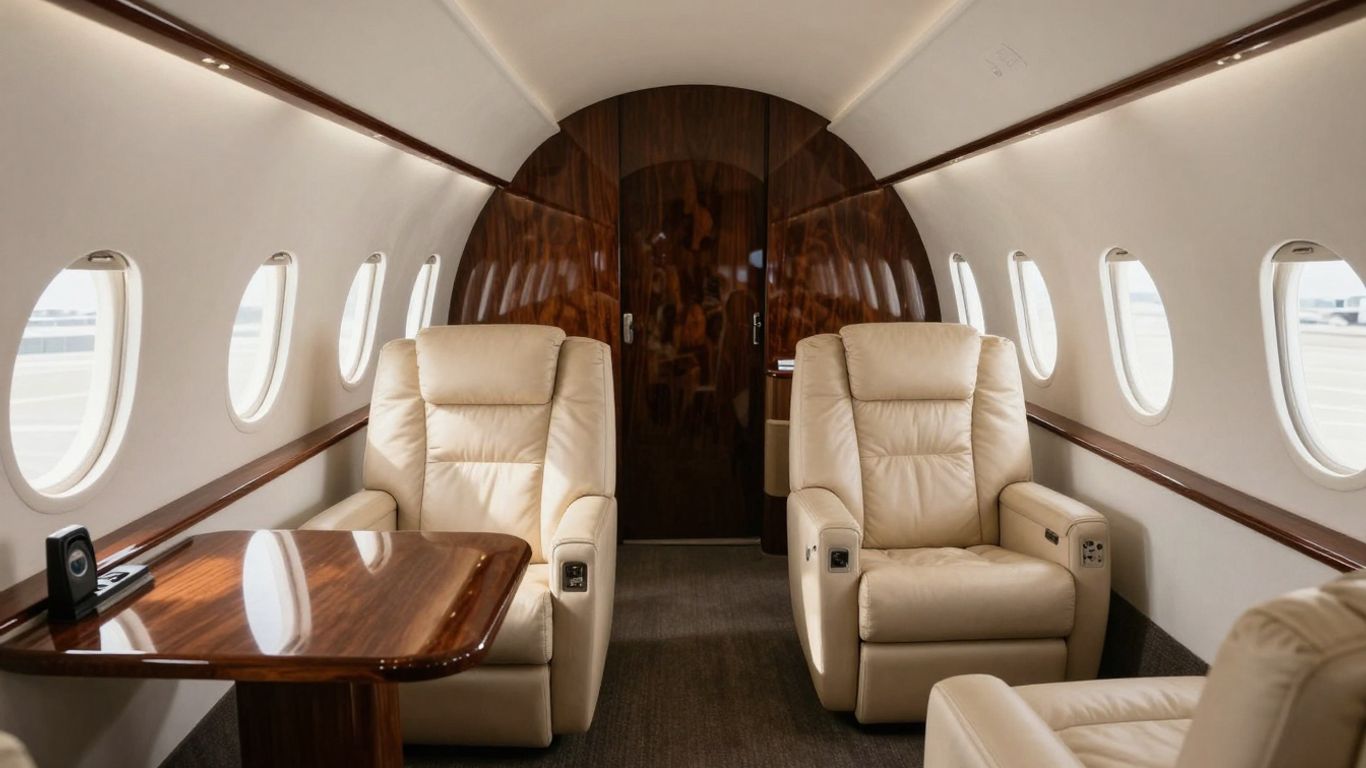
So, Lewis Hamilton, you know, the F1 guy? He used to have this really fancy private jet. We’re talking about a Bombardier Challenger 605, a pretty big deal back then. It was all cherry red and had his initials on it, G-LCDH. He bought it for a hefty sum, like $29 million, and it could fit up to 19 people. But then, he decided to sell it. Apparently, it was to help with his carbon footprint, which makes sense, right? Even though he’s moved on from that particular jet, the whole idea of F1 stars and their private planes is pretty interesting. It’s all about speed, luxury, and keeping things private when you’re constantly on the go.
Key Takeaways
- Lewis Hamilton previously owned a Bombardier Challenger 605, a luxurious jet he used for travel before selling it, reportedly to reduce his environmental impact.
- Private jets are a common sight for F1 drivers, offering them privacy, comfort, and the flexibility needed to manage demanding international racing schedules.
- The choice of private aircraft varies among drivers, with some opting for smaller, more versatile jets and others for larger, long-range models, reflecting different needs and passenger counts.
- Owning and operating a private jet involves significant financial considerations, including purchase price, maintenance, and potential tax implications like VAT.
- While private aviation offers undeniable benefits for F1 stars, it also faces scrutiny regarding its environmental impact, sparking ongoing discussions about sustainability within motorsport.
Lewis Hamilton’s Former Private Jet
The Bombardier Challenger 605
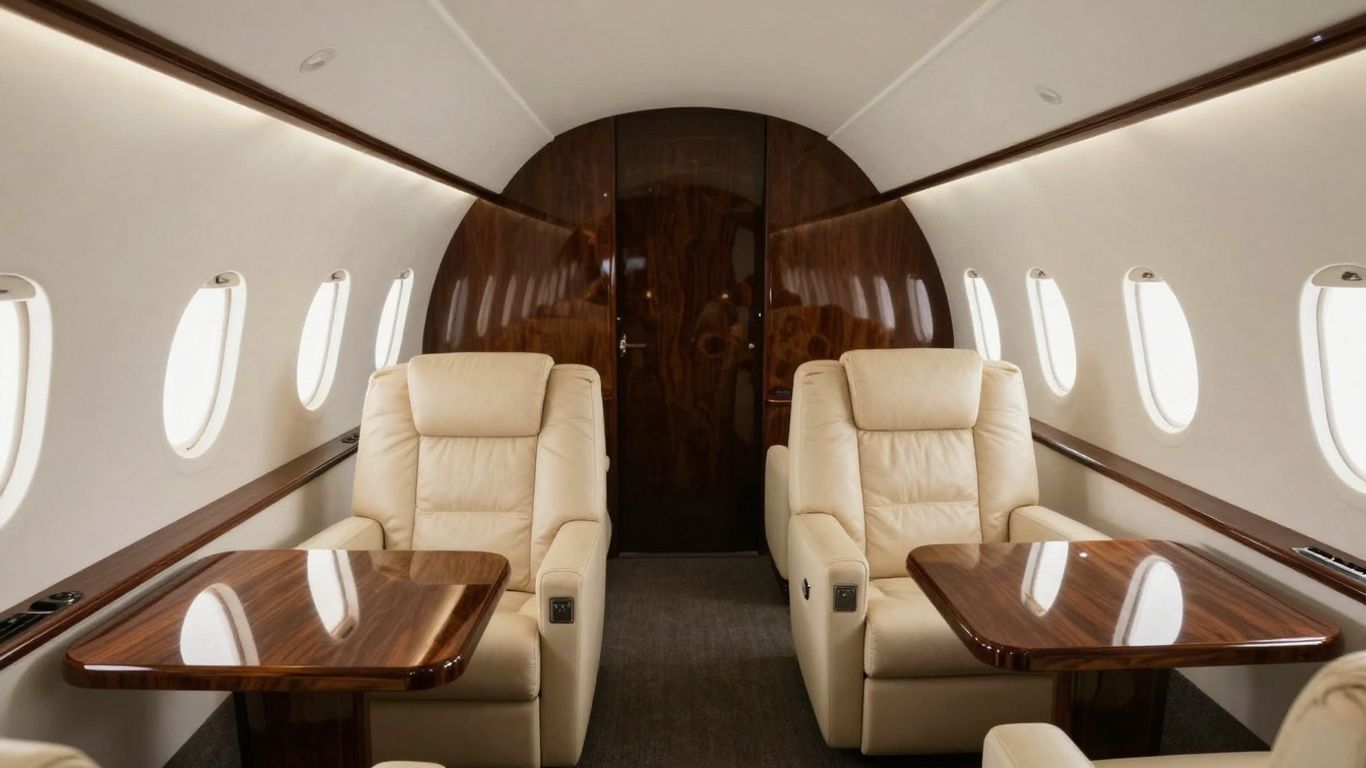
Before Lewis Hamilton embraced a different approach to travel, he owned a Bombardier Challenger 605. This wasn’t just any aircraft; it was a statement. Purchased for a hefty sum, around $29 million, this jet was his personal hub in the sky. It was registered as G-LCDH, a nod to his initials, Lewis Carl Davidson Hamilton. The jet itself was quite striking, often seen in a bold, cherry-red livery. It had the capacity to carry up to 19 people, making it suitable for bringing along his team, friends, or family.
A Symbol of Luxury and Convenience
For a global athlete like Hamilton, a private jet offered a level of convenience that commercial travel simply couldn’t match. It meant he could hop from one race to another, attend important events, or simply get home without the usual airport hassles. This aircraft was his sanctuary, a place where he could relax, prepare for races, or conduct business away from the public eye. The ability to fly on his own schedule, avoiding crowded terminals and lengthy security lines, was a massive advantage. It allowed him to maximize his time, which is incredibly valuable in the fast-paced world of Formula 1.
Reasons for Selling the Lewis Hamilton Private Jet
While the Bombardier Challenger 605 provided significant benefits, Hamilton eventually decided to part ways with it. The primary reason cited for selling this luxurious asset was a desire to reduce his environmental impact. In an era where sustainability is becoming increasingly important, especially within motorsport, Hamilton made a conscious choice to improve his carbon footprint. This decision reflects a growing awareness and commitment to environmental issues among high-profile individuals and sports organizations alike.
The Allure of Private Aviation for F1 Stars
For the high-octane world of Formula 1, private jets aren’t just a luxury; they’re a necessity. Think about it: the season spans continents, demanding constant travel between races. Commercial flights just don’t cut it when you’re trying to squeeze in training, sponsor events, and, you know, actually prepare for a Grand Prix. Private aviation offers a way to manage this crazy schedule.
Balancing Speed and Seclusion
When you’re a global sports icon like Lewis Hamilton, privacy is a big deal. Imagine trying to get through a busy international airport with fans everywhere. It’s not ideal for staying focused. Private jets allow drivers to arrive and depart with minimal fuss, often using smaller airports closer to the race tracks. This means less time dealing with crowds and more time getting settled. This ability to control your environment is a massive advantage. It’s about getting from point A to point B quickly, yes, but also doing it without the usual airport chaos.
Essential for Demanding Schedules
Formula 1 drivers have schedules that would make most people dizzy. They’re not just racing; there are simulator sessions, media days, team briefings, and personal commitments. A private jet offers unparalleled flexibility. Need to be in Monaco for a meeting on Tuesday and then head to Silverstone for practice on Thursday? A private jet makes that possible without losing days to commercial travel. It’s about maximizing every minute.
Here’s a look at how private jets help manage the F1 calendar:
- Time Savings: Direct flights to airports near race venues cut down travel time significantly compared to commercial options.
- Flexibility: Departures and arrivals can be scheduled around the driver’s needs, not airline timetables.
- Productivity: The cabin becomes a mobile office or a place to rest, allowing drivers to stay sharp.
The constant movement required by the F1 calendar means that efficient travel is not just about comfort, but about performance. Being well-rested and mentally prepared is just as important as the car itself.
The Intersection of Aviation and Formula One
There’s a natural connection between the precision and speed of Formula 1 and the world of private aviation. Both demand cutting-edge technology and a focus on performance. For drivers, their choice of aircraft often mirrors the qualities they value on the track: speed, efficiency, and a certain level of sophistication. It’s a lifestyle that complements the sport, allowing them to maintain their edge both on and off the circuit. For those looking to experience a taste of this lifestyle, exploring private jet charters can offer a unique perspective on Grand Prix weekends.
Discreet Arrivals and Travel Habits
The Pilatus PC-24 Connection
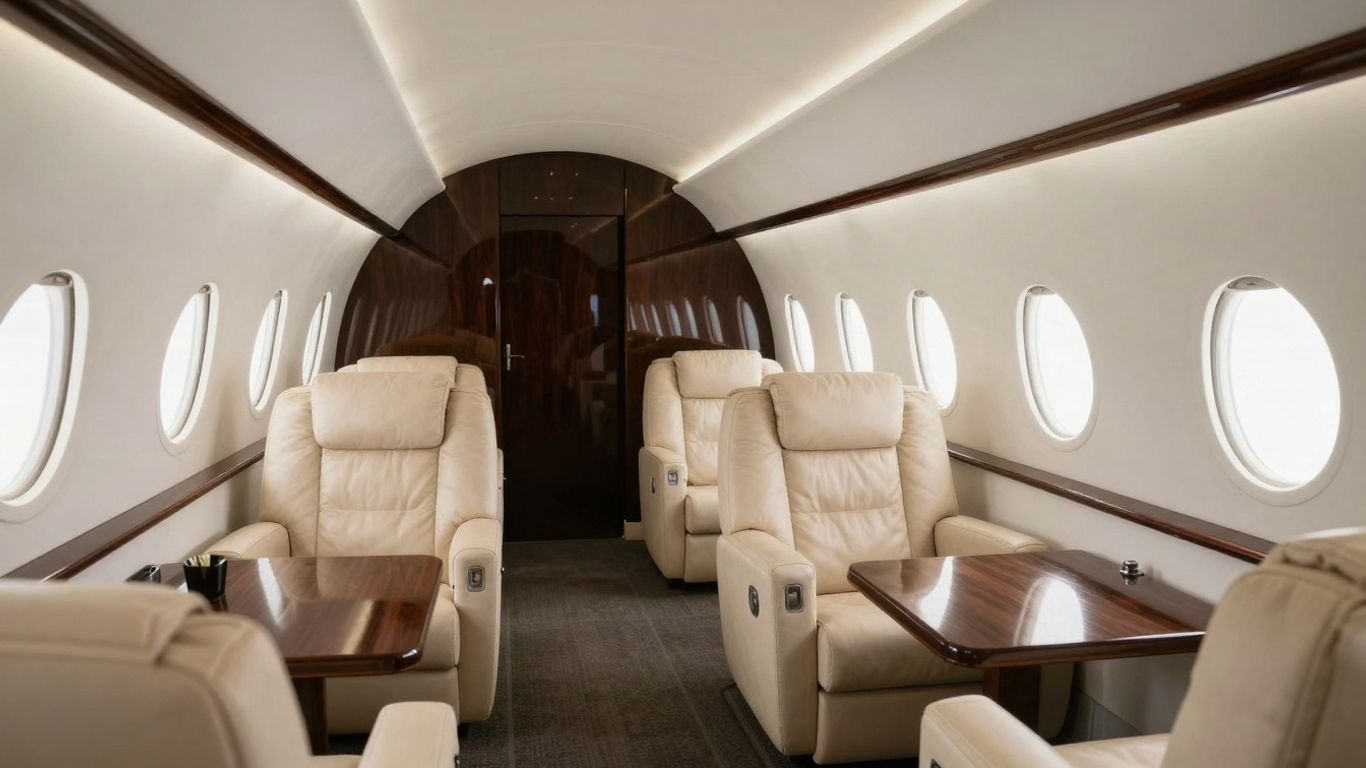
When it comes to F1 stars, privacy is often as important as speed. For Lewis Hamilton, this means making arrivals and departures as low-key as possible. While he no longer owns his former Bombardier Challenger 605, his travel patterns suggest a continued preference for discretion. A Pilatus PC-24, seen arriving from Nice, has been noted for its ability to facilitate these private exits. This particular jet, capable of carrying eight to eleven passengers, was observed being towed into a hangar for passengers to disembark, a move that certainly keeps prying eyes away. This method of unloading is quite similar to how Hamilton used to manage his comings and goings, hinting that this might be his preferred way to travel these days.
Mirroring Past Travel Patterns
This approach to travel isn’t new for Hamilton. His previous jet, a Bombardier Challenger 605, was known for its luxury and was often used for quick trips between races or for personal travel. The way passengers disembarked from the Pilatus PC-24, avoiding the usual public areas of the airport, strongly echoes his past habits. It’s all about minimizing exposure and getting from point A to point B without a fuss. This careful planning helps maintain a sense of normalcy away from the intense spotlight of Formula 1. It’s a smart way to manage his public profile while still enjoying the benefits of private aviation. The need to avoid unwanted attention is a constant for drivers, and this method seems to work well for them.
Maintaining Privacy at Airports
Airports can be chaotic places, especially when a celebrity like Lewis Hamilton is involved. Using private terminals and having aircraft moved to hangars are standard practices for those seeking maximum privacy. This allows drivers and their teams to bypass the main terminal, avoiding crowds and media. It’s a practical solution that saves time and reduces stress. For instance, other drivers have also been seen using similar methods, like Carlos Sainz arriving on a Bombardier Challenger 604 and being the sole passenger disembarking, or Charles Leclerc’s low-key arrival with just his trainer. It shows a shared understanding within the F1 community about how to manage travel effectively. The whole process is designed to be efficient, allowing them to focus on the race ahead. It’s a stark contrast to the typical commercial travel experience, and it highlights the unique demands of their profession. The recent incident involving a burning smell on an Air Canada flight also underscores the importance of reliable and safe private travel options for these athletes, avoiding potential issues.
The world of Formula 1 demands constant movement, and for its stars, private jets are more than just a luxury; they are a necessity for managing demanding schedules and preserving personal space. The careful orchestration of arrivals and departures, often utilizing discreet airport services, is a testament to the lengths drivers go to maintain their privacy and focus.
Navigating the Complexities of Private Jet Ownership
Owning a private jet, especially for someone with a schedule as packed as Lewis Hamilton’s, isn’t just about hopping on a plane whenever you feel like it. There’s a whole layer of behind-the-scenes stuff that goes into it, and frankly, it can get pretty complicated. It’s not as simple as just buying a car; there are financial and legal hoops to jump through.
Tax Implications and VAT Refunds
One of the big headaches is dealing with taxes, particularly Value Added Tax (VAT). When you bring a private jet into a place like the EU, there’s a hefty VAT charge, often around 20%. Now, people try to get around this. For instance, setting up a leasing company in a place like the Isle of Man, which isn’t in the EU but has a special arrangement, can be a way to import the jet and then lease it back. This way, the jet is technically leased for business, which can sometimes help with VAT rules that might otherwise prevent refunds for private use. It’s a bit of a maze, and you need sharp advisors to figure it all out.
The Role of Professional Advisers
Because of all these tax rules and legal structures, you can’t really do this alone. People like Lewis need a team of experts. We’re talking about tax lawyers, aviation lawyers, and financial advisors who know the ins and outs of international aviation regulations and tax laws. They’re the ones who set up the companies, handle the paperwork, and make sure everything is above board, or at least, as close to it as possible within the legal framework. They’re the ones who can explain things like:
- Structuring ownership through offshore companies.
- Arranging leases to potentially mitigate tax burdens.
- Managing import duties and registration processes.
- Ensuring compliance with aviation safety and operational standards.
Balancing Business and Private Use
This is where things can get really tricky. The line between using a jet for business and for personal trips can get blurry. If a jet is mostly used for holidays or visiting friends, but the paperwork says it’s for business, that can be seen as tax avoidance. Tax authorities look closely at this. The idea is that if you’re using it for private enjoyment, you should pay the tax on that private consumption. So, owners have to be careful about how they document and use their aircraft to avoid running afoul of tax laws. It’s a constant balancing act to make sure the jet supports their professional life without looking like a personal perk that’s being hidden from the taxman.
Owning a private jet involves a complex web of financial and legal considerations. It’s not just about the luxury of flight; it’s about managing tax liabilities, understanding international regulations, and often employing a team of specialists to ensure compliance and optimize ownership structures. The goal is to balance the practical benefits of private aviation with the legal and financial responsibilities that come with it.
The Advantages of the Lewis Hamilton Private Jet Lifestyle
Unmatched Flexibility and Time Savings
For someone like Lewis Hamilton, whose life is a whirlwind of races, sponsor events, and personal commitments across the globe, a private jet isn’t just a luxury; it’s a necessity. Think about it: instead of being tied to rigid airline schedules, you can literally decide to leave when you want. This kind of flexibility is huge. It means less time spent waiting in airports and more time actually doing what needs to be done, whether that’s resting before a big race or attending a charity event. Plus, private jets can often land at smaller airports closer to the actual race tracks or event venues, cutting down on ground travel time significantly. It’s all about shaving off minutes and hours wherever possible.
Personalized Comfort and Amenities
When you fly private, the experience is tailored to you. Forget fighting for overhead bin space or dealing with cramped seats. Private jets offer spacious cabins where you can stretch out, work, or just relax. For a high-profile athlete, this means having a private space to decompress, prepare mentally, or even catch up on sleep between demanding F1 weekends. The ability to customize the onboard experience, from catering to entertainment, adds another layer of comfort that commercial travel just can’t match. It’s about creating your own little bubble of calm in a very hectic world.
Avoiding Public Scrutiny
Let’s be real, being a global sports superstar means constant attention. Navigating busy public airports can be a hassle, with fans, media, and the general public all vying for a glimpse or a photo. A private jet allows for a much more discreet arrival and departure. You can often board and disembark away from the main terminals, minimizing contact and maintaining a level of privacy that’s hard to come by otherwise. This ability to travel without drawing a huge crowd is a significant benefit for maintaining personal space and focus.
The sheer efficiency gained from private air travel allows athletes like Hamilton to maximize their time, which is arguably their most precious commodity. It directly impacts their performance by reducing travel fatigue and stress, letting them arrive at their destinations feeling more prepared and less worn out. This isn’t just about comfort; it’s a strategic advantage.
Here’s a quick look at why it makes sense:
- Direct Access: Fly directly to airports closer to your destination.
- On-Demand Schedule: Depart and arrive according to your personal timetable.
- Privacy: Travel without the crowds and constant attention of commercial airports.
- Productivity: Use travel time for work, meetings, or rest in a controlled environment.
Environmental Considerations in F1 Travel
The Carbon Footprint Debate
Look, flying private is super convenient for F1 folks, no doubt about it. Lewis Hamilton, like many others, has used private jets to zip around the globe for races. It saves a ton of time and offers a level of privacy that commercial travel just can’t match. But, and it’s a big ‘but’, there’s a whole conversation happening about the environmental impact of all this private flying. These jets burn a lot of fuel, and that means a significant carbon footprint. It’s a tricky subject because the sport itself is all about speed and pushing limits, but we’re also living in a time where being mindful of the planet is becoming more and more important.
Sustainability in Modern Aviation
It’s not all doom and gloom, though. The aviation industry is actually working on ways to be more eco-friendly. We’re seeing new technologies emerge that aim to make planes more fuel-efficient. Some companies are even looking into sustainable aviation fuels, which could make a big difference down the line. The goal is to keep the benefits of private travel without leaving such a heavy mark on the environment. It’s a complex puzzle, trying to balance the demands of a global sport with the need for greener practices.
Ongoing Conversations in Motorsport
This whole topic of sustainability in F1 travel, especially private jets, is something people are talking about a lot. You’ll hear debates online, in the stands, and even within the sport itself. Drivers, teams, and fans are all part of this discussion. Finding a middle ground where the sport can thrive while also reducing its environmental impact is the big challenge. It’s about making smart choices, looking at alternatives, and pushing for innovation. It’s a journey, and it’s definitely not over yet.
The convenience of private jets for F1 stars is clear, offering speed and privacy. However, the environmental cost is a growing concern that the sport and its participants are increasingly being asked to address. This tension between luxury travel and planetary health is a significant talking point.
Here’s a quick look at some of the points being discussed:
- Fuel Consumption: Private jets, especially larger ones, consume substantial amounts of jet fuel per flight hour.
- Emissions: This fuel consumption directly translates to significant carbon dioxide (CO2) and other greenhouse gas emissions.
- Alternative Fuels: Research and development into sustainable aviation fuels (SAFs) are ongoing, aiming to reduce the carbon intensity of flights.
- Efficiency Improvements: Newer aircraft designs and engine technologies are making flights more fuel-efficient than older models.
Wrapping Up the High-Flying Life
So, that’s a look at how some of the F1 stars, like Lewis Hamilton, get around. It’s pretty wild to think about the kind of travel involved just to get to a race. While the idea of having your own jet is super cool, it’s also clear it’s a big part of managing their crazy schedules and staying out of the spotlight. It’s not just about luxury, though. There’s a lot going on behind the scenes with these planes, from the tech inside to the big questions about their impact on the environment. It’s definitely a topic that keeps coming up, and it’s interesting to see how it all fits into the fast-paced world of Formula 1.
Frequently Asked Questions
Did Lewis Hamilton always own a private jet?
No, Lewis Hamilton used to own a private jet called the Bombardier Challenger 605, but he sold it in 2019. He reportedly sold it to help reduce his environmental impact.
Why do F1 drivers like Lewis Hamilton use private jets?
F1 drivers use private jets for several reasons. They offer a lot of flexibility, letting them travel on their own schedule. It’s also a way to have privacy, avoid big crowds at regular airports, and save valuable time, which is super important when you have a busy racing schedule.
What kind of jet did Lewis Hamilton own?
Lewis Hamilton’s former private jet was a Bombardier Challenger 605. It was quite luxurious and could carry up to 19 people. He even had it painted a special cherry red color.
Are private jets good for the environment?
That’s a big question in racing right now. Private jets use a lot of fuel, which creates pollution. While drivers like Lewis Hamilton have sold their jets partly for this reason, the sport is looking for ways to be more eco-friendly in how everyone travels.
Do other F1 drivers use private jets?
Yes, many F1 drivers use private jets. Some, like Max Verstappen, even own their own. Others, like Fernando Alonso and Charles Leclerc, have been seen using different types of private planes to get to races. It’s common for teams and their staff to fly privately too.
How do F1 drivers keep their travel private?
Drivers often use private jets to avoid being seen by fans and media at busy airports. Sometimes, their jets are even taken into hangars right after landing so they can get off the plane without being noticed. This helps them stay focused and maintain their privacy.