

Thinking about private jet travel? It’s a whole world of convenience, but the costs can be a bit confusing. NetJets is a big name, and understanding their membership cost is key if you’re considering it. It’s not just about the flight hours; there are different ways they price things, and other fees can pop up. We’ll break down what goes into the netjet membership cost so you can get a clearer picture.
Key Takeaways
- NetJets membership cost depends on the type of aircraft you choose, with smaller light jets being less expensive than larger, long-range jets.
- Be aware of additional fees like fuel surcharges, repositioning costs, and peak period rates, as these can add to the overall netjet membership cost.
- Jet cards, like those offered by NetJets, come in different hour blocks (e.g., 50-hour or 100-hour), and the total investment varies significantly based on the block size.
- Understanding the specific terms and conditions of your NetJets membership, such as commitment periods and cancellation policies, is important for managing costs and expectations.
- Comparing NetJets’ offerings with other private aviation providers can help ensure you’re getting the best value for your travel needs and budget.
Understanding NetJets Membership Cost Structures
When you’re looking into private jet travel with NetJets, figuring out the cost is the first big step. It’s not just one simple price; there are a few ways they structure things to fit different needs. The core of the cost usually comes down to how you pay for your flight hours.
Analyzing Fixed Hourly Rates
Many jet card programs, including some NetJets options, operate on a fixed hourly rate. This means you know exactly what you’re paying per hour of flight time, regardless of market fluctuations. It’s a straightforward approach that makes budgeting much easier. For instance, light jets might have a fixed rate of around $5,000 to $7,000 per hour, while larger, more luxurious jets could be $10,000 or more. This predictability is a big draw for many travelers.
Exploring Dynamic Pricing Models
On the flip side, some programs might use dynamic pricing. This means the hourly rate can change based on demand, time of year, or even how busy the fleet is. While this can sometimes lead to lower prices during off-peak times, it also means your costs aren’t as predictable. You might pay less for a flight in February than you would during the busy holiday season. It’s a bit of a trade-off between potential savings and cost certainty.
The Role of Aircraft Type in Pricing
No matter the pricing model, the type of aircraft you choose plays a huge role. Smaller, lighter jets are generally less expensive to operate than large cabin jets designed for long-haul international flights. Think of it like choosing between a compact car and a luxury SUV; the bigger, more capable vehicle comes with a higher price tag. NetJets has a wide range of aircraft, from the efficient Phenom 300 to larger options like the Citation Latitude, and each has its own associated hourly rate. For example, a 25-hour jet card on a Phenom 300 in Europe might cost around 212,000 Euros, giving you a sense of the scale NetJets Europe offers an entry-level jet card for 212,000 Euros, providing 25 hours of flight time on a Phenom 300 or Citation XLS. This pricing structure is part of their offerings..
Understanding these basic cost structures is key before you even start looking at specific membership tiers. It helps you know what to expect and where potential savings or higher costs might come from.
Key Factors Influencing NetJets Membership Cost
So, you’re looking into NetJets, and naturally, you want to know what makes the price tag what it is. It’s not just a simple number; a few things really play a big role in how much your membership will cost. Let’s break it down.
Aircraft Size and Range Considerations
This one’s pretty straightforward. Think about it like buying a car: a small, zippy compact is going to cost less than a big, luxury SUV, right? The same applies to jets. Smaller jets, often called light jets, are generally less expensive per hour to fly. They’re great for shorter trips and fewer passengers. Then you have midsize jets, which offer more space and range, and they come with a higher hourly rate. At the top end, you have the large cabin or long-range jets. These are your international flyers, equipped with all the bells and whistles, and they command the highest prices. So, the type of aircraft you choose to fly in directly impacts your hourly rate.
Here’s a rough idea of how aircraft size can affect costs (these are just examples, actual prices vary):
| Aircraft Category | Typical Hourly Rate (Example) |
|---|---|
| Light Jet | $5,000 – $7,000 |
| Midsize Jet | $7,000 – $9,000 |
| Heavy Jet | $10,000+ |
Geographic Service Area Impact
Where you fly matters too. If you’re mostly staying within the continental United States, your costs might be more predictable. However, if your travel plans take you overseas, especially to places like Europe, you’ll likely see additional fees. These can include things like customs processing, different ground handling charges, and sometimes even higher fuel costs in certain regions. NetJets has a vast network, but operating in different countries means dealing with different regulations and logistics, which can add to the overall price.
Membership Terms and Commitment Periods
This is where things can get a bit more complex. NetJets, like many private aviation providers, offers different membership structures. Some might require a longer commitment, say, signing up for a certain number of years or hours upfront. Longer commitments can sometimes come with better rates per hour, as the provider has more certainty about your business. On the flip side, shorter-term options or pay-as-you-go models might offer more flexibility but could have a higher per-hour cost. It’s all about balancing your need for flexibility with the provider’s need for predictable demand.
When you’re looking at the total cost, don’t just focus on the hourly rate. The length of your contract, any upfront deposits, and how you can use your hours (like if they expire or can be rolled over) are all part of the financial picture. Make sure you understand these terms fully before signing anything.
Think about it this way:
- Flexibility vs. Predictability: Do you need to book last minute, or can you plan trips well in advance?
- Commitment Level: Are you comfortable locking in for several years, or do you prefer shorter agreements?
- Usage Rights: What happens to unused hours? Can they be refunded, rolled over, or do they just disappear?
Navigating Additional Fees in NetJets Programs
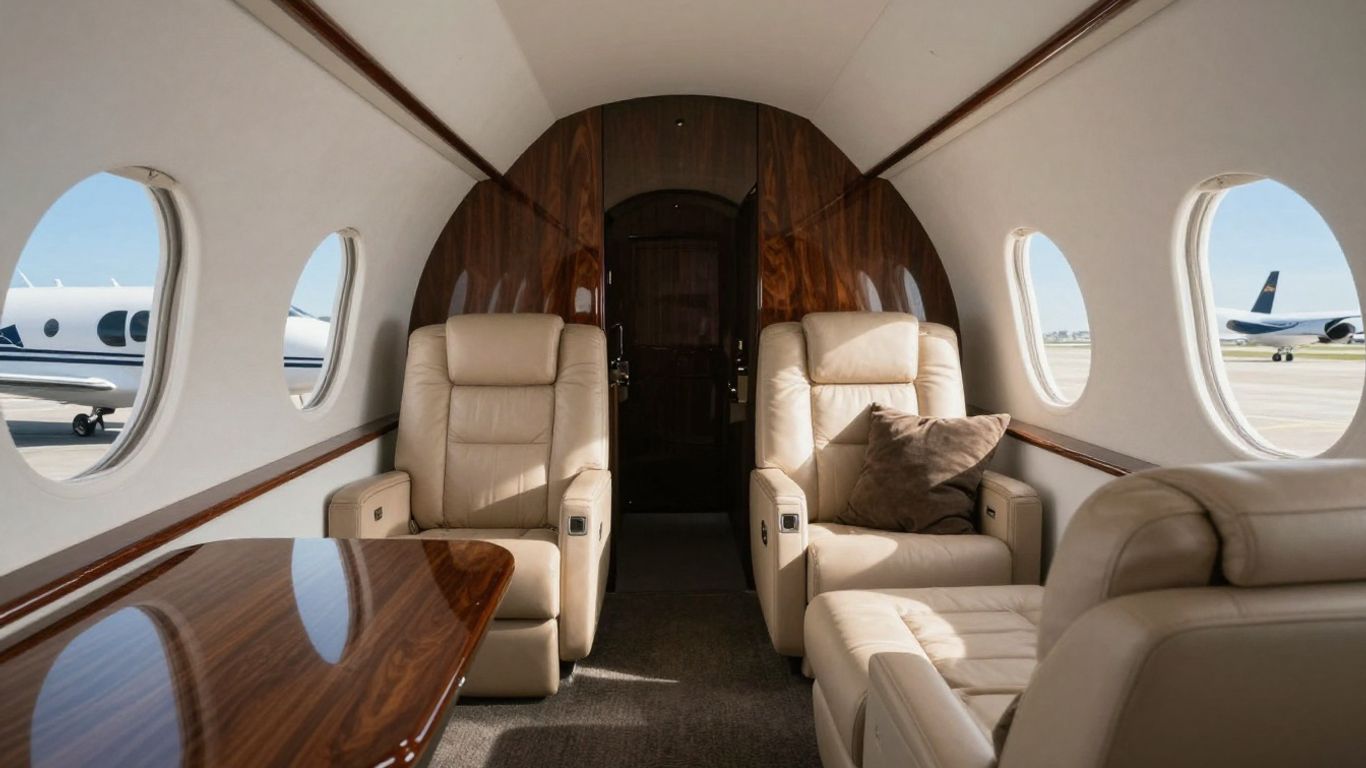
Beyond the hourly rate for your flight time, there are a few other costs that can pop up with NetJets programs. It’s good to know about these so there aren’t any surprises when you get your bill.
Understanding Fuel Surcharges
Fuel prices can change pretty quickly, and NetJets, like other jet companies, passes those changes on. This means your flight cost might go up or down a bit depending on what’s happening with fuel markets. They usually adjust these surcharges monthly. It’s wise to ask how these are calculated and if there’s a cap on how high they can go.
Repositioning Fees and Taxi Time
Sometimes, the jet you’re scheduled to fly on isn’t at your departure airport. If it needs to be flown in from somewhere else, you might have to cover that "repositioning" cost. This is more common if you’re flying to a less busy airport. Also, some programs might charge for "taxi time" – that’s the time the plane spends moving on the ground before takeoff and after landing. This can add up to an extra 6 to 12 minutes per flight, which gets billed at the hourly rate.
Peak Period and Holiday Surcharges
If you plan to travel during really busy times, like major holidays (think Thanksgiving or Christmas) or big events in certain cities, expect to pay a bit more. These "peak period" surcharges are there because demand is super high, and NetJets needs to make sure they can get you a plane when everyone else is trying to book one too. It’s basically a way to manage demand during those high-traffic travel dates.
It’s always a good idea to get a clear breakdown of all potential fees when you’re looking at different membership options. Don’t be shy about asking for specifics on how each fee is calculated and when it might apply. This helps you budget more accurately and avoid any sticker shock later on.
Comparing NetJets Membership Options

When you’re looking at private jet travel, NetJets has a few different ways you can fly. It’s not just one-size-fits-all. They offer different programs, and the main ones people talk about are the 50-hour and 100-hour jet cards. Choosing the right one really depends on how much you fly and what you need.
Evaluating 50-Hour Jet Card Costs
A 50-hour jet card is a good starting point for folks who fly privately a few times a year but not constantly. It gives you a set amount of flight time, which helps keep your budget predictable. You get access to their fleet, and it’s generally less commitment than a bigger package. Think of it as dipping your toes into private aviation without a huge upfront investment.
- Predictable Costs: You know what you’re paying per hour, so no sticker shock.
- Flexibility: Use those 50 hours when you need them, for various trips.
- Access: Get into the world of private flying with a reputable company.
Assessing 100-Hour Jet Card Investments
If you’re flying more often, maybe for business or frequent family trips, a 100-hour jet card makes more sense. It’s like buying in bulk, which usually means a better hourly rate compared to the 50-hour option. This is a popular choice for people who rely on private jets regularly. It offers a solid block of time that covers a good amount of travel throughout the year. You can often get better pricing with these larger commitments.
| Program Type | Typical Cost Range | Key Benefit |
|---|---|---|
| 50-Hour Jet Card | $300,000 – $750,000 | Entry-level access, predictable costs |
| 100-Hour Jet Card | $600,000 – $1,200,000+ | Better hourly rate, more flight time |
Benefits Beyond Flight Hours
It’s not just about the hours you buy. NetJets memberships come with other perks. Sometimes, you might get bumped up to a larger jet at no extra cost if they need to reposition a plane anyway. That’s a nice surprise! Plus, they have partnerships that can get you deals on hotels or spa treatments. It’s about the whole travel experience, not just getting from point A to point B.
When you’re comparing these options, think about your travel habits over the next year or two. How many trips do you realistically see yourself taking? What kind of distances are you usually covering? Answering these questions will point you toward the program that fits best.
These programs are designed to give you convenience and peace of mind. You’re not dealing with the headaches of owning a plane, but you still get the benefits of flying privately. It’s a way to manage your travel efficiently. If you’re curious about getting started, you can always call them directly for a chat.
Maximizing Value with Your NetJets Membership
So, you’ve looked at the costs, maybe even crunched some numbers on different jet card options. Now, how do you make sure you’re really getting the most out of your NetJets membership? It’s not just about buying hours; it’s about making sure the service fits your life and your travel habits.
Aligning Membership with Travel Needs
This is probably the biggest one. Think about how you actually travel. Are you mostly flying short hops for business, or are you taking longer trips with the family? NetJets has different aircraft sizes for a reason. If you’re usually just one or two people heading to a nearby city, a smaller, more efficient jet makes more sense than booking a larger one. Booking the right size jet for your trip can save you a good chunk of change over time.
- Consider your typical passenger count: Are you flying solo, with a partner, or with a group?
- Map out your common destinations: Do you fly regionally, nationally, or internationally?
- Think about your preferred travel times: Are you a last-minute booker or do you plan well in advance?
Getting the right fit from the start means you’re not paying for space or range you don’t need.
Reviewing Terms and Conditions
Okay, I know reading the fine print isn’t exactly thrilling, but it’s super important. NetJets, like any service, has rules and conditions. Understanding these can prevent surprises down the road. What happens if you need to cancel a flight? Are there blackout dates you need to be aware of, especially around holidays? Knowing these details helps you plan better and avoid unexpected fees or issues.
It’s easy to get caught up in the excitement of private travel, but taking a few minutes to really understand the contract you’re signing can save you a lot of headaches. Think of it as a quick check-up to make sure everything is in order before you take off.
Leveraging Lifestyle Partnerships
NetJets often has partnerships with other luxury brands and services. These can include things like hotel discounts, exclusive event access, or even special offers on other luxury goods. While these might not directly impact your flight costs, they add extra perks to your membership. It’s like getting a little bonus just for being a member. Keep an eye on their communications for these kinds of benefits – they can sometimes add up to significant savings or unique experiences you wouldn’t get otherwise.
Wrapping It Up
So, we’ve gone over the ins and outs of NetJets membership costs. It’s not exactly pocket change, but for the right person, it makes a lot of sense. Think about how much you fly and what you really need. Comparing different programs, like the ones from Sentient Jet or Magellan Jets, is a good idea. Just be sure to ask about all the extra fees – those can sneak up on you. Ultimately, figuring out the cost is about matching the service to your travel habits. If private flying is your thing, a jet card can be a pretty sweet deal without all the headaches of owning a plane.
Frequently Asked Questions
What exactly is a NetJets membership, and how does it work?
Think of a NetJets membership like a special pass for flying on private jets. Instead of buying a whole jet or booking flights one by one, you pay for a block of flight hours ahead of time. NetJets then uses these hours for your trips, giving you access to their fleet of planes.
How much does a NetJets membership typically cost?
The price can change a lot depending on the size of the jet you want and how many hours you buy. A smaller jet for shorter trips might cost around $325,000 for 50 hours, while a bigger jet for longer flights could be $650,000 or more for the same amount of time. It’s like choosing between a small car and a big truck – they have different prices!
Are there extra fees I should know about besides the main cost?
Yes, sometimes there are extra costs. Things like fuel prices going up can add a bit to the bill. Also, if the jet needs to fly from somewhere else to pick you up, there might be a fee for that. It’s good to ask about these potential extra charges.
What’s the difference between a 50-hour and a 100-hour jet card?
A 50-hour card is like buying a smaller package of flight time, good if you don’t fly super often. A 100-hour card is for people who fly more regularly and want to lock in prices for more hours. It’s basically about how much flying time you need upfront.
Can I use my NetJets membership for flights anywhere?
Generally, your membership covers flights within the main parts of the United States. If you want to fly to other places like Europe or the Caribbean, you’ll need to check if your specific plan includes those areas or if there are different options available.
What happens if I don’t use all my flight hours?
This depends on your specific agreement. Some programs let you roll over unused hours to the next year, while others might have an expiration date. It’s important to read the rules carefully to see what happens with any leftover flight time.