

So, you’re thinking about a career in the sky, but not just any flying gig. You’re eyeing the world of private jet flight attendant jobs. It sounds glamorous, right? Traveling the globe, rubbing shoulders with interesting people, and getting paid for it. It’s definitely a dream for many, but like anything worthwhile, it takes more than just a desire to fly. This guide is here to break down what it really takes to land one of these sought-after private jet flight attendant jobs, from the skills you’ll need to the training you’ll go through. Let’s get into it.
Key Takeaways
- Landing private jet flight attendant jobs means meeting specific requirements, often including age, health, and sometimes prior experience in luxury service.
- Success in this field hinges on top-notch customer service, clear communication, and the ability to stay calm and adaptable when things get tricky.
- The path to becoming a private jet flight attendant involves a tough selection process and intensive training focused on safety and high-end service.
- This career demands flexibility for irregular schedules and time zones, plus the emotional strength to handle passenger needs and unexpected issues.
- Opportunities exist to move up within private aviation, from senior crew roles to management, or even starting your own venture later on.
Understanding the Allure of Private Jet Flight Attendant Jobs
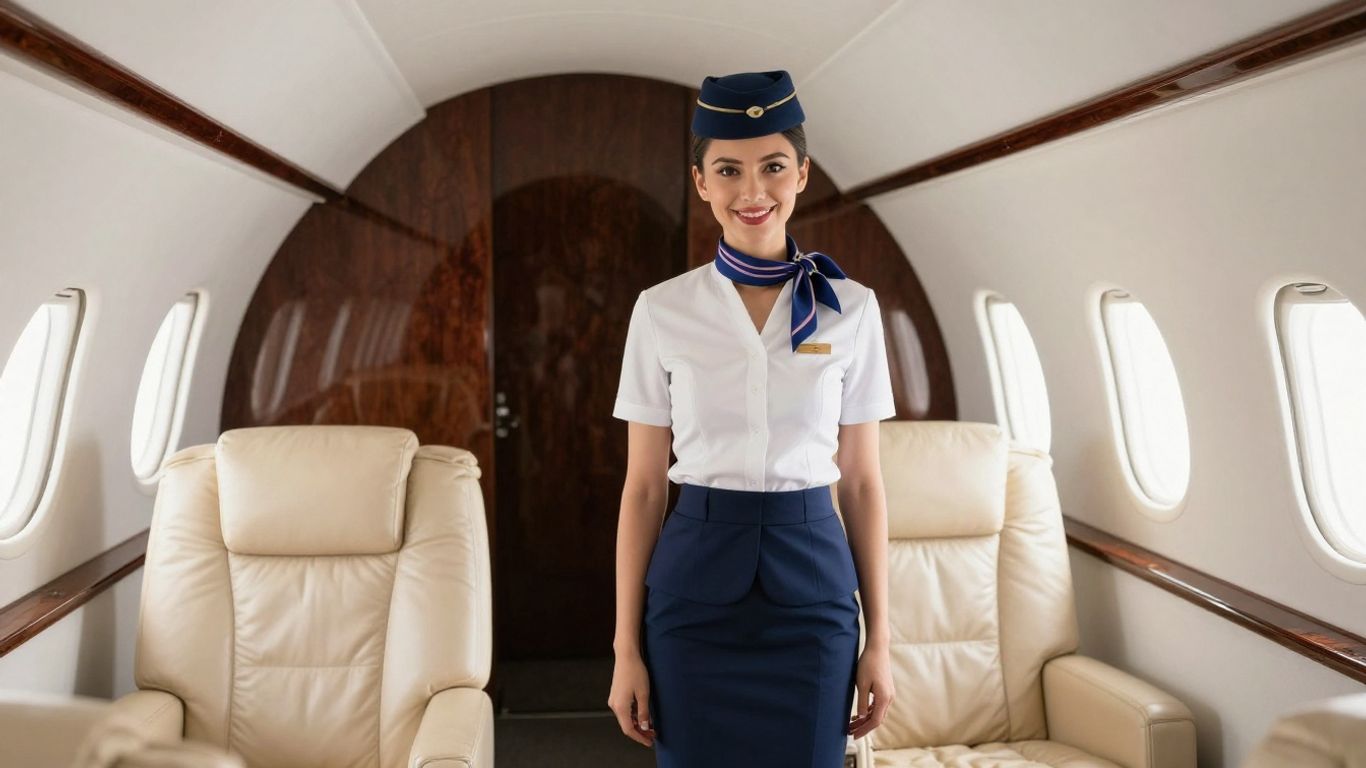
The Dream of Global Exploration
So, what’s the big deal about being a private jet flight attendant? For many, it starts with the simple, powerful idea of seeing the world. Forget the usual vacation plans; this job puts you on a path to explore far-flung places, not just as a tourist, but as someone living and working there, even if just for a short while. Imagine stepping off a sleek jet in a city you’ve only read about, ready for your next adventure. It’s a chance to collect experiences, not just souvenirs. This career offers a passport to a life less ordinary, filled with new sights, sounds, and people.
Beyond Traditional First Class
This isn’t your typical airline job. While commercial first class offers comfort, private aviation is a whole different level. Think of it as a flying, exclusive lounge. The service is incredibly personal, tailored to each passenger’s specific needs and preferences. You’re not just serving drinks; you’re creating a bespoke experience. This level of personalized attention is what truly sets private jet roles apart. It requires a keen eye for detail and a genuine desire to anticipate what someone might want before they even ask. It’s about making the journey as remarkable as the destination.
A Career of Adventure and Fulfillment
Working on a private jet means embracing a life that’s anything but routine. The adventure comes from the constant change – new destinations, different passengers, and unexpected situations. One day you might be flying to a tropical island, the next to a bustling European capital. This unpredictability is part of the thrill. Beyond the travel, there’s a deep sense of fulfillment that comes from providing top-tier service and ensuring passengers have a smooth, enjoyable flight. It’s a demanding path, for sure, but for those who thrive on excitement and enjoy making a real difference for others, it’s incredibly rewarding.
Essential Qualifications for Private Jet Flight Attendant Jobs
So, you’re thinking about becoming a private jet flight attendant? That’s great! But before you start picturing yourself sipping champagne at 40,000 feet, let’s talk about what it actually takes to get there. It’s not just about looking good in a uniform; there are some pretty specific requirements you’ll need to meet.
Age and Educational Prerequisites
Generally, most private aviation companies want their flight attendants to be at least 18 or 19 years old. This makes sense, considering the responsibilities involved. As for education, there isn’t usually a strict degree requirement like you might find in some other professions. However, having a high school diploma or its equivalent is pretty standard. Some companies might prefer candidates who have taken courses in hospitality, tourism, or even aviation, but it’s not always a must-have. The focus is more on your ability to do the job well, rather than a specific piece of paper.
Physical Requirements and Health Standards
This job can be physically demanding, so companies need to know you can handle it. You’ll likely need to be in good general health and be able to pass a medical examination. This often includes things like having good vision and hearing. You’ll also need to be able to stand for long periods, lift certain weights, and sometimes even swim. Height and weight requirements can vary, but they usually aim for a proportional build. Think about it: you’re managing a cabin, serving meals, and assisting passengers, sometimes in tight spaces or during turbulence.
Here’s a general idea of what might be expected:
- Height: Often between 5’2" and 6’2", with weight in proportion.
- Fitness: Good overall health, ability to pass medical checks.
- Mobility: Capable of standing for extended periods and performing physical tasks.
Language Proficiency and Cultural Awareness
Private jet travel often means flying clients from all over the world. Because of this, being able to speak more than one language is a big plus, and sometimes it’s a requirement. Even if it’s not strictly required, knowing a second or third language can really set you apart from other applicants. Beyond just speaking different languages, you’ll need to be aware of and respect different cultural backgrounds. Passengers will come from diverse places, and understanding their customs and etiquette is part of providing top-notch service. It shows you’re adaptable and considerate, which is key when you’re working closely with people from different walks of life.
Being prepared for the realities of the job means understanding that you’ll be away from home a lot, working odd hours, and needing to stay calm and professional no matter what. It’s a lifestyle choice as much as a career.
Developing Key Skills for Success in Private Jet Flight Attendant Roles
Being a private jet flight attendant is more than just serving drinks and making sure the cabin is tidy. It’s about creating a personalized, safe, and comfortable environment for every single passenger. This job really demands a specific set of abilities that go beyond the usual. You’ve got to be good with people, quick on your feet, and able to handle pretty much anything that comes your way.
Exceptional Customer Service Prowess
This is probably the most important part of the job. On a private jet, passengers expect a level of service that’s way beyond what you’d find on a commercial flight. It’s about anticipating needs before they’re even spoken, remembering preferences, and making each person feel like a VIP. Think of it as being a personal concierge in the sky. You’re not just serving; you’re creating an experience. This means paying attention to the smallest details, like the temperature of the cabin, the specific way a passenger likes their coffee, or even just offering a quiet moment of peace if they seem tired.
- Anticipating Needs: Learning to read passengers and offer assistance before they ask.
- Personalization: Remembering dietary restrictions, favorite drinks, or entertainment choices.
- Discretion: Maintaining privacy and confidentiality for high-profile clients.
- Grace Under Pressure: Handling requests, no matter how unusual, with a smile and efficiency.
Communication and Interpersonal Abilities
You’ll be interacting with a wide range of people, from business leaders to celebrities, and you need to be able to connect with them all. This means speaking clearly, listening actively, and being aware of your body language. It’s also about working well with your fellow crew members. Everyone has to be on the same page to make the flight run smoothly. Sometimes you’ll be dealing with people from different cultures, so understanding and respecting those differences is a big plus.
- Active Listening: Really hearing what passengers and crew are saying.
- Clear Articulation: Speaking in a way that’s easy to understand, even in a noisy cabin.
- Cross-Cultural Sensitivity: Adapting your communication style to different backgrounds.
- Team Collaboration: Working effectively with pilots and other cabin crew.
Problem-Solving and Adaptability Under Pressure
Flights don’t always go according to plan. There might be weather delays, unexpected passenger requests, or even minor emergencies. Your ability to stay calm, think on your feet, and find solutions quickly is what makes you a great flight attendant. You can’t just freeze up; you need to assess the situation and act decisively. This often means improvising and making the best of whatever situation arises, all while maintaining a professional demeanor.
The ability to adapt to changing circumstances is paramount. What seems like a minor hiccup to a passenger can quickly escalate if not handled with care and quick thinking. Your training provides the framework, but your own resourcefulness is what truly shines in these moments.
Here’s a quick look at how different skills stack up:
| Skill Area | Importance Level | Example Scenario |
|---|---|---|
| Customer Service | Very High | Remembering a passenger’s preferred champagne |
| Communication | High | Clearly explaining a flight delay to a group |
| Problem-Solving | Very High | Finding a substitute for a requested meal ingredient |
| Adaptability | High | Adjusting service due to unexpected turbulence |
| Discretion and Professionalism | Very High | Handling a sensitive personal request privately |
Navigating the Application and Training Process
So, you’ve decided the private jet life is for you. That’s awesome! But how do you actually get your foot in the door? It’s not quite as simple as just showing up. There’s a whole process involved, from sending in your application to getting through some pretty intense training.
The Rigorous Selection Journey
Getting selected for a private jet flight attendant role is a bit of a marathon, not a sprint. Companies are looking for a very specific set of skills and a certain demeanor. You’ll likely start with an online application, and if that passes muster, you might get invited for an initial screening. This could be a phone call or a video interview. They’re checking your basic qualifications and seeing if you can communicate clearly.
After that, things get more involved. You might face group assessments where they watch how you interact with others, especially under pressure. Think problem-solving scenarios or team tasks. Then comes the one-on-one interviews, where they really dig into your experience and how you handle different situations. It’s all about finding candidates who are not only professional but also adaptable and discreet.
Intensive Safety and Service Training
Once you’ve made it through the selection gauntlet, congratulations! But the learning isn’t over; it’s just beginning. The training you’ll receive is pretty thorough. It covers all the safety stuff, which is obviously super important. We’re talking emergency procedures, first aid, and how to handle pretty much any situation that could go wrong in the air. You’ll get certified in things like CPR.
Beyond safety, there’s a huge focus on service. This isn’t your typical airline job; it’s about anticipating needs and providing a personalized experience. You’ll learn about fine dining, etiquette, and how to cater to a diverse range of passengers. This training usually lasts a few weeks and ends with exams to make sure you’re ready.
Preparing for Interviews and Assessments
To give yourself the best shot, preparation is key. Before any interview, do your homework on the company. What’s their reputation? What kind of clients do they serve? Tailor your answers to show you understand their values. Practice answering common interview questions, especially those about teamwork, handling difficult people, or stressful situations. Think about specific examples from your past experiences.
Dressing professionally is a must. Think sharp, clean, and put-together. It shows you take the role seriously. Also, remember to maintain good eye contact and speak clearly. Confidence goes a long way, but don’t be arrogant. It’s a fine balance.
Here’s a quick rundown of what to expect:
- Application Review: Initial screening of your resume and qualifications.
- Interviews: Multiple rounds, including phone, video, and in-person.
- Assessments: Group activities, role-playing, and situational judgment tests.
- Background Checks: Standard procedure for this line of work.
Remember, they’re looking for people who can handle the unique demands of private aviation. Having some customer service background is a big plus, and you can find programs that help build these skills here.
The Demanding Yet Rewarding Nature of the Role
Managing Irregular Schedules and Time Zones
Let’s be real, this job isn’t your typical 9-to-5. Private jet flight attendants often find themselves working when others are sleeping, celebrating holidays, or enjoying weekends. You’ll be hopping between time zones so frequently that your internal clock might feel like it’s on a permanent vacation. One week you could be serving breakfast in New York and then dinner in Dubai the next. This constant shift means you really need to be good at managing your energy and staying organized. Packing light but smart becomes an art form, and learning to sleep whenever you can is a superpower. It’s not always easy, but the payoff is seeing places most people only dream of.
Handling Passenger Expectations and Emergencies
When you’re working on a private jet, the service level is incredibly high. Passengers expect a smooth, personalized experience, no matter what. This means anticipating needs, handling special requests with grace, and always maintaining a calm, professional demeanor. But it’s not just about serving champagne; you’re also the first line of defense if something goes wrong. From minor medical issues to unexpected flight diversions, you need to be ready to act quickly and effectively. Knowing how to stay composed and make sound decisions under pressure is absolutely key.
The Importance of Resilience and Professionalism
This career definitely tests your limits. Being away from home for extended periods can be tough, and the demands of the job can be physically and emotionally draining. You’ll encounter all sorts of people and situations, and maintaining your composure and professionalism at all times is non-negotiable. Building resilience means developing coping mechanisms for stress, staying connected with loved ones, and finding ways to recharge. It’s a demanding path, for sure, but the unique experiences and the satisfaction of providing top-tier service make it incredibly fulfilling for those who are cut out for it.
The ability to adapt to changing circumstances, whether it’s a last-minute itinerary change or a passenger’s unexpected request, is what separates good flight attendants from the truly exceptional ones. It’s about being prepared for anything and handling it with a smile.
Career Progression in the Private Aviation Sector
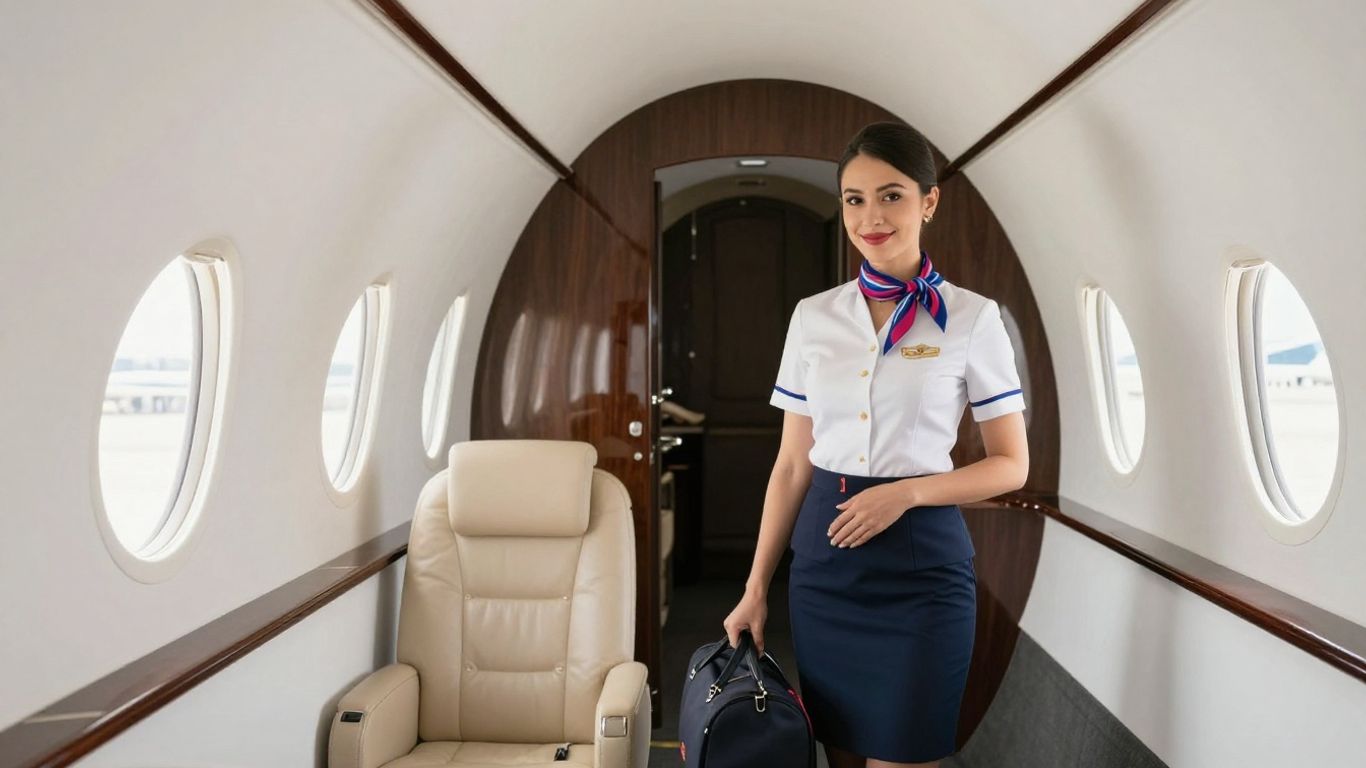
So, you’ve mastered the art of private jet service and are wondering what’s next? The private aviation world offers more than just a single role; it’s a career path with room to grow. Many flight attendants find that their experience opens doors to exciting new opportunities within the industry. It’s not just about flying; it’s about building a career.
Advancing to Senior Cabin Crew Positions
After gaining solid experience, you might find yourself moving into more senior cabin crew roles. This often means taking on more responsibility, perhaps leading a small team on larger aircraft or becoming a go-to person for complex passenger requests. It’s a natural step for those who excel at the job and want to mentor newer crew members. Think of it as becoming a team lead, but with a much better view.
Exploring Opportunities in Aviation Management
Some flight attendants discover a knack for the operational side of things. This can lead to roles in aviation management. You might transition into positions like:
- Flight Operations Coordinator: Managing flight schedules and logistics.
- Crew Scheduler: Ensuring the right crew is assigned to the right flights.
- Training Specialist: Helping to onboard and train new flight attendants.
- Safety Officer: Focusing on maintaining the highest safety standards.
These roles require a different skill set, often involving more desk work, but they build directly on your in-depth knowledge of flight operations and passenger needs. It’s a way to stay connected to the industry you love without being in the cabin all the time.
Leveraging Experience for Future Ventures
Your time as a private jet flight attendant is incredibly valuable, and that experience can be a springboard for all sorts of future endeavors. Some individuals use their skills and network to start their own aviation-related businesses, perhaps offering consulting services or even starting their own charter brokerage. Others might move into sales roles within the aviation industry, using their firsthand knowledge to connect with clients. You could even become an aviation blogger or content creator, sharing your unique insights with aspiring professionals. The skills you develop – like problem-solving, communication, and managing high expectations – are transferable to almost any field. It’s about recognizing the broad applicability of what you learn in the sky. You can find resources to help you explore these paths through aviation career guides.
The private aviation sector is dynamic. Staying adaptable and continuously learning new skills will help you move forward, whether that means staying in the air or exploring new ground-based roles. Your journey doesn’t have to end with your last flight.
Here’s a look at potential salary increases with seniority:
| Role | Average Starting Salary | Senior Role Salary |
|---|---|---|
| Junior Flight Attendant | $55,000 | $70,000 |
| Senior Flight Attendant | $70,000 | $90,000 |
| Inflight Manager | $85,000 | $110,000+ |
| Aviation Management | $75,000 | $120,000+ |
Ready to Take Flight?
So, you’ve learned about what it takes to be a private jet flight attendant. It’s definitely not a walk in the park, requiring a lot of hard work, specific skills, and a willingness to be away from home quite a bit. But, if you’ve got that passion for travel, enjoy helping people, and can handle the demands, this career could be incredibly rewarding. Think about the amazing places you’ll see and the unique experiences you’ll have. It’s a big step, for sure, but if it feels right for you, start looking into those requirements and getting yourself ready. The sky’s the limit, literally!
Frequently Asked Questions
What makes being a private jet flight attendant so special?
It’s like being a VIP butler in the sky! Instead of just serving snacks in coach, you’re making sure important people have an amazing and comfortable experience on a private jet. You get to travel to cool places, meet interesting folks, and offer top-notch service that’s way beyond what you see on regular airlines. It’s a career that’s full of adventure and feels really rewarding.
Do I need a college degree to become a private jet flight attendant?
Not always! Most airlines want you to have finished high school. Some might prefer you to have taken classes in things like travel or helping people. The most important thing is that you have the right skills and can pass their training. Some private jet companies might want you to have experience working in fancy hotels or on yachts before you even apply.
What are the most important skills for this job?
You’ve got to be super good at taking care of people, like a friendly and helpful host. Being able to talk clearly and nicely with everyone is a big deal. You also need to be able to think fast and stay calm if something unexpected happens, like a sudden change of plans or a passenger needing help. Being able to go with the flow is key!
Is the training really hard?
Yes, the training is pretty intense! You’ll learn all about safety, how to handle emergencies, and how to give amazing service. It’s designed to make sure you’re ready for anything. You’ll also have to go through a tough selection process with interviews and tests before you even get to the training part.
What’s the hardest part about being a private jet flight attendant?
The schedule can be all over the place, meaning you might work odd hours, travel through different time zones, and be away from home a lot. You also need to be ready to handle any passenger’s needs, no matter how demanding, and stay professional even when things get tricky. It takes a lot of energy and a strong mindset.
Can I move up in this career?
Absolutely! After you gain experience, you can become a senior flight attendant, maybe even a manager who leads a team. Some people become trainers for new hires, or move into other jobs in the aviation world, like helping with operations at the airport. Your experience can also open doors to other exciting ventures later on.