
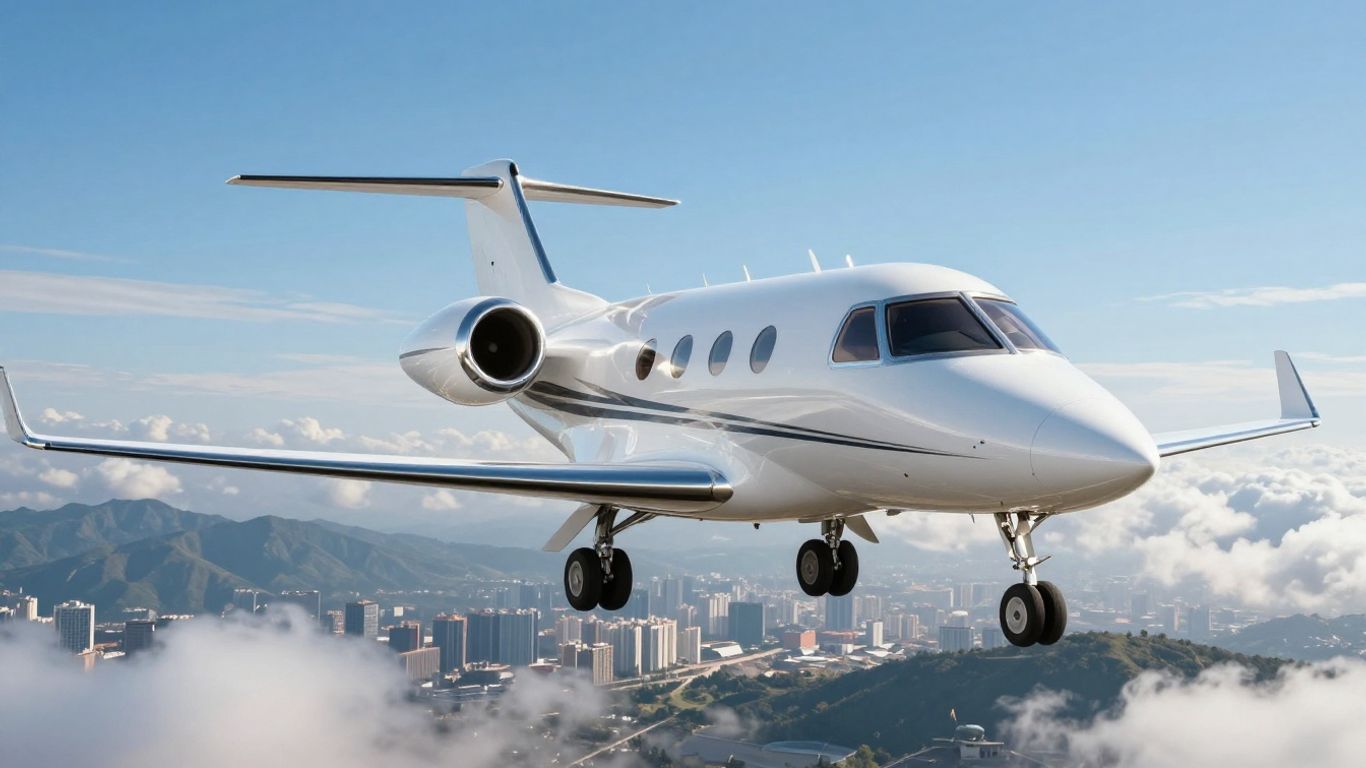
Thinking about flying private but not sure about the cost? It’s a question many people have. Gone are the days when only the super-rich could hop on a private jet. Now, there are more options than ever, making it way more accessible. We’re going to break down how much it is to rent a private jet and what goes into that price tag. You might be surprised at what you find.
Key Takeaways
- The hourly rate for renting a private jet can range widely, typically from about $2,000 to over $15,000, depending on the aircraft size and type.
- Factors like flight duration, distance, airport fees, crew logistics, and specific service requests all add to the final cost.
- Different ways to fly privately exist, including chartering a whole jet, sharing a flight, or joining membership programs, each with its own cost structure.
- Booking in advance, choosing less busy airports, and looking for empty leg flights can help reduce the overall expense.
- While chartering an entire jet is common, options like jet cards and membership programs offer more predictable pricing for frequent flyers.
Understanding Private Jet Rental Costs
So, you’re curious about how much it actually costs to rent a private jet in 2026? It’s not as simple as a flat fee, that’s for sure. Think of it like booking a hotel – you can get a basic room or a penthouse suite, and the price difference is huge. The same goes for private planes.
Factors Influencing Private Jet Pricing
Several things play a big role in the final price tag. The biggest one is usually the aircraft itself. Are we talking about a small, nimble turboprop or a massive, long-range jet that can cross oceans? That makes a difference. Then there’s the flight time. The longer you’re in the air, the more you pay. It’s pretty straightforward, really.
Here are some of the main things that bump the price up or down:
- Aircraft Category: This is like the size and class of the jet. Turboprops are at the lower end, while ultra-long-range jets and VIP airliners are at the top.
- Flight Duration and Distance: Longer flights mean more fuel, more crew time, and generally, a higher cost.
- Aircraft Age and Type: Newer planes or those with more amenities might cost more per hour than older, simpler models.
- Operational Needs: Things like needing the plane to reposition before you get on, or the crew needing to stay overnight somewhere, add to the bill.
The hourly rate is the main number you’ll see, but it’s just the starting point. Always ask for a full breakdown of what’s included and what’s extra.
The Impact of Aircraft Category on Cost
Aircraft are generally grouped into categories, and this is a major price driver. You’ve got everything from the smaller turboprops and very light jets, which are the most budget-friendly options, all the way up to the large cabin and ultra-long-range jets. These bigger, faster, and more luxurious planes come with a significantly higher hourly rate.
Here’s a rough idea of what you might see:
| Aircraft Category | Estimated Hourly Rate (USD) | Typical Passengers |
|---|---|---|
| Turboprop | $2,000 – $7,000 | 4-6 |
| Light Jet | $6,000 – $8,000 | 6-8 |
| Midsize Jet | $7,500 – $9,000 | 7-9 |
| Super Midsize Jet | $7,000 – $11,000 | 8-12 |
| Large Cabin Jet | $12,000 – $15,000 | 10-19 |
| Ultra-Long-Range Jet | $14,000+ | 12-19 |
| VIP Airliner | $16,000 – $23,000+ | 19+ |
Keep in mind these are just estimates, and actual prices can change based on demand, specific aircraft model, and the operator.
Hourly Rates: A Key Cost Component
When you get a quote for a private jet, it’s almost always broken down by an hourly rate. This rate is the foundation of your cost. It typically covers the aircraft itself, the pilots, insurance, and fuel. However, it’s important to know that this hourly rate doesn’t always include everything. You might have additional charges for things like landing fees, de-icing if you’re flying in winter, or even the cost of the crew’s meals and hotel if they have to stay overnight at your destination. Understanding what’s included in the hourly rate is super important for avoiding surprises.
Exploring Different Ways to Fly Privately
There’s more than one way to get on a private jet these days. Technology and business have changed the options, so you don’t have to own a jet or even rent the whole thing for yourself. Let’s break down the most common ways people fly private, each with its pros, cons, and tricks to manage the price tag.
Chartering an Entire Aircraft
Chartering a whole jet is probably what most folks picture: you search, book, and the plane is all yours for that trip.
- Best for groups and custom schedules.
- You choose departure time, route, and airports, with no other passengers aboard.
- Pricing covers the whole aircraft, not per seat, so dividing costs with friends makes sense.
| Aircraft Type | Typical Seats | Hourly Cost (2026) |
|---|---|---|
| Turboprop | 4-6 | $5,000–$7,000 |
| Light Jet | 6-8 | $6,000–$8,000 |
| Midsize Jet | 7-9 | $7,500–$9,000 |
| Super Midsize Jet | 8-12 | $9,000–$12,000 |
When you need privacy, luggage space, and maximum flexibility, chartering the whole aircraft usually feels worth the premium—especially for business groups or family vacations.
Sharing a Private Jet Experience
You can now share the ride with others, even if you don’t know them. Think business class, but smaller and quieter.
- Platforms like BLADE or Victor let you book a single seat on a scheduled private flight.
- Sometimes you can split the cost with friends, making the per-person price almost competitive with commercial business class.
- Shared flights offer social connections and less control over exact routing or schedule.
Quick pluses:
- Lower price per seat than chartering solo
- Ideal for high-demand routes
- Book through apps for convenience
Membership Programs and Jet Cards
For frequent travelers, membership programs and jet cards help smooth out costs and offer perks.
- Pay upfront for flight hours or annual dues.
- Guarantees access to certain aircraft and sometimes locks in pricing.
- Many jet cards promise fixed hourly rates so you don’t get surprised by seasonal price spikes.
Popular features:
- Priority booking during busy dates
- Extra services like car transfers or catering
- Some programs offer fractional ownership if you’re really flying a lot
For frequent flyers who want private jet convenience without giant surprises in cost, jet cards or memberships can easily pay off with time—and a little peace of mind.
Key Determinants of Private Jet Expenses
So, you’re curious about what really makes the price tag on a private jet charter go up or down? It’s not just a simple hourly rate, though that’s a big part of it. Think of it like booking a hotel – the room size, the view, and the extra services all add up. With private jets, it’s similar, but on a much grander scale.
Aircraft Size and Type
This is probably the most obvious factor. You wouldn’t expect a tiny sports car to cost the same as a luxury SUV, right? Same idea here. Smaller planes, like turboprops or light jets, are generally cheaper per hour than the big, long-range heavy jets. These larger planes have more space, can fly further without stopping, and often come with more amenities. So, if you’re just hopping between two nearby cities, a smaller jet makes sense. But if you’re crossing continents, you’ll need one of the bigger, more expensive models.
Here’s a rough idea of what you might see hourly:
- Turboprops: Around $4,000/hr
- Light Jets: Around $6,500/hr
- Midsize Jets: Around $8,500/hr
- Super Midsize Jets: Around $10,000/hr
- Heavy & Ultra Long Range Jets: $14,000+/hr
Keep in mind, these are just ballpark figures. The specific model within each category also plays a role. A brand-new Gulfstream G700 will cost more than an older, but still capable, Gulfstream G550.
Flight Duration and Distance
This one’s pretty straightforward. The longer you’re in the air, the more you pay. Private jets are usually billed by the flight hour, and that includes not just the time you’re cruising at altitude, but also the time spent taxiing, taking off, and landing. So, a cross-country trip will naturally cost more than a short hop across a state line. It’s not just about the distance, though; it’s about the total time the aircraft is occupied for your trip.
The total flight time is calculated from the moment the wheels leave the ground until they touch down again. This is the primary metric used for billing, and it directly impacts your final cost. Longer flights mean more hours, and more hours mean a higher price.
Operational and Crew Considerations
Beyond the aircraft itself and the flight time, there are other costs that get factored in. The crew – pilots and flight attendants, if you have them – are part of the hourly rate, but their salaries and the number of crew needed can influence pricing. For longer trips, you also have to consider things like crew rest periods, hotel stays for the crew if they have to overnight, and even parking fees for the jet at the airport. These operational details, while not always obvious, are definitely part of the overall expense.
- Crew Salaries: Included in the hourly rate, but can vary based on experience and number of crew.
- Crew Overnight Stays: If your trip requires the crew to stay overnight at your destination, you’ll cover their accommodation and per diem.
- Airport Fees: Landing fees, parking fees, and handling charges can add up, especially at busy airports.
- Aircraft Positioning: If the jet isn’t already at your departure airport, it needs to fly there empty, and you might have to pay for that repositioning flight.
Reducing the Cost of Private Jet Charters
So, you’re looking to fly private but keeping an eye on the budget? Totally understandable. While private jets offer amazing convenience, they aren’t exactly cheap. But there are definitely ways to make the cost more manageable. It’s all about being smart with your planning and knowing where to look for savings.
Strategic Airport Selection
Think about where you’re flying from and to. Major international airports often have higher fees for private jets, and sometimes, the aircraft might be based further away, meaning you pay for repositioning. Smaller, regional airports can be a great alternative. They often have lower landing fees, less traffic, and might even be closer to your actual starting point or final destination. Sometimes, a short drive to a less busy airport can save you thousands. It’s worth checking out the options near your preferred location.
Leveraging Empty Legs and Floating Fleets
This is where you can find some serious deals. An "empty leg" flight happens when a jet needs to fly back to its home base or reposition for its next charter, but it’s flying empty. Operators often sell these seats at a significant discount, sometimes up to 50% off the usual price. The catch? You have to be flexible. These flights are usually last-minute and can be canceled if the original charter changes plans. "Floating fleets" are similar; it’s when a jet is already in a region where you need it, reducing the need for costly repositioning flights. Staying updated on these opportunities can lead to big savings.
Booking in Advance for Optimal Pricing
While last-minute deals on empty legs exist, booking your charter well in advance is often the best way to secure a good price, especially for standard charters. This gives operators more time to plan and find the most cost-effective aircraft for your needs. It also means you’re less likely to be hit with premium pricing for immediate availability. Planning ahead allows for better negotiation and access to a wider range of aircraft options.
Here’s a quick look at how flexibility can impact cost:
| Factor | Potential Savings | Notes |
|---|---|---|
| Empty Legs | Up to 50% | Requires significant flexibility; flights can be canceled. |
| Off-Peak Travel | 10-20% | Flying mid-week or during less popular times. |
| Smaller Aircraft | Varies | If your group size allows for a smaller jet. |
| Airport Choice | 5-15% | Opting for secondary airports. |
Being flexible with your travel dates and times is one of the most effective ways to reduce costs. If you can depart on a Tuesday instead of a Friday, or fly in the morning rather than the afternoon, you might find a noticeably lower price. Operators often have better availability and lower rates during off-peak periods.
Additional Factors Affecting Your Quote
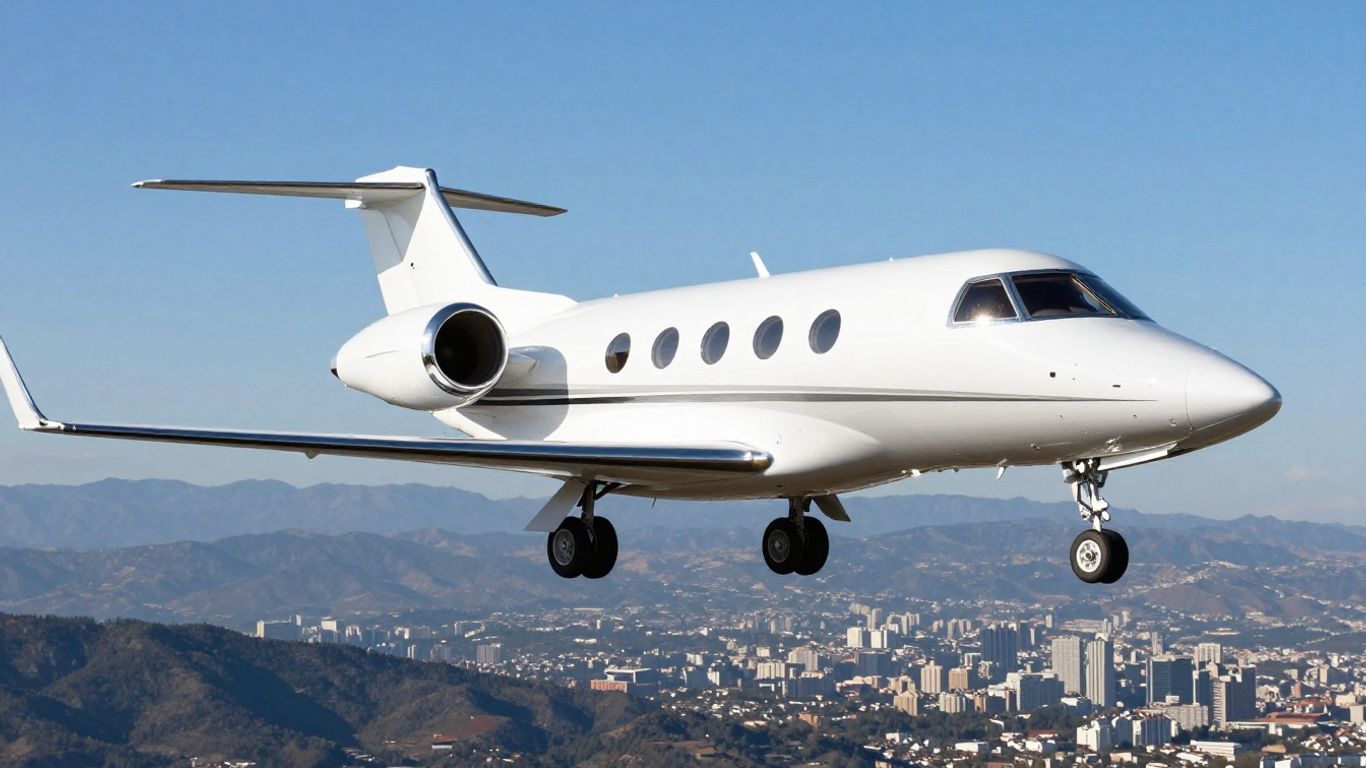
So, you’ve looked at the plane size, how far you’re going, and the hourly rate. That’s a good start, but there are a few more things that can tweak the final price you see. It’s not just about the flight itself, you know?
Government Taxes and Fees
Just like any travel, flying privately comes with its own set of government charges. These can add up, and they really depend on where you’re flying to and from. Think customs, immigration fees if you’re going international, and various airport taxes. These aren’t usually negotiable, so they’re just part of the deal. It’s good to know that the cost of private jet charters in 2026 will continue to be influenced by these kinds of charges, alongside things like fuel prices.
Crew Logistics and Overnight Stays
If your trip involves the crew needing to stay overnight, that’s going to factor into the cost. You’ll typically see charges for their accommodation, meals, and sometimes even ground transportation. For longer trips, this can become a noticeable part of the overall expense. Also, there are rules about how long pilots can fly before needing a break, so sometimes a crew change might be necessary, which also adds to the bill.
Special Service Requests
This is where you can really customize your flight. Want specific catering? Need Wi-Fi that’s super fast? Maybe you want a particular type of drink waiting for you. These extras, while making your trip more comfortable, will increase the price. It’s all about what you want to add to make the journey perfect for you. Some common requests include:
- Gourmet catering options
- Satellite internet access
- Arranged ground transportation
- Specific entertainment systems
It’s worth remembering that while many online platforms show estimated prices, the actual quote often requires a human touch to confirm aircraft availability and finalize details. Don’t be surprised if a salesperson reaches out after you check pricing online; it’s a standard part of the process.
These extra bits and pieces might seem small, but they all contribute to the final number. Always ask your broker to break down what’s included and what’s not, so there are no surprises when you get the final invoice.
Real-World Examples of Private Jet Pricing
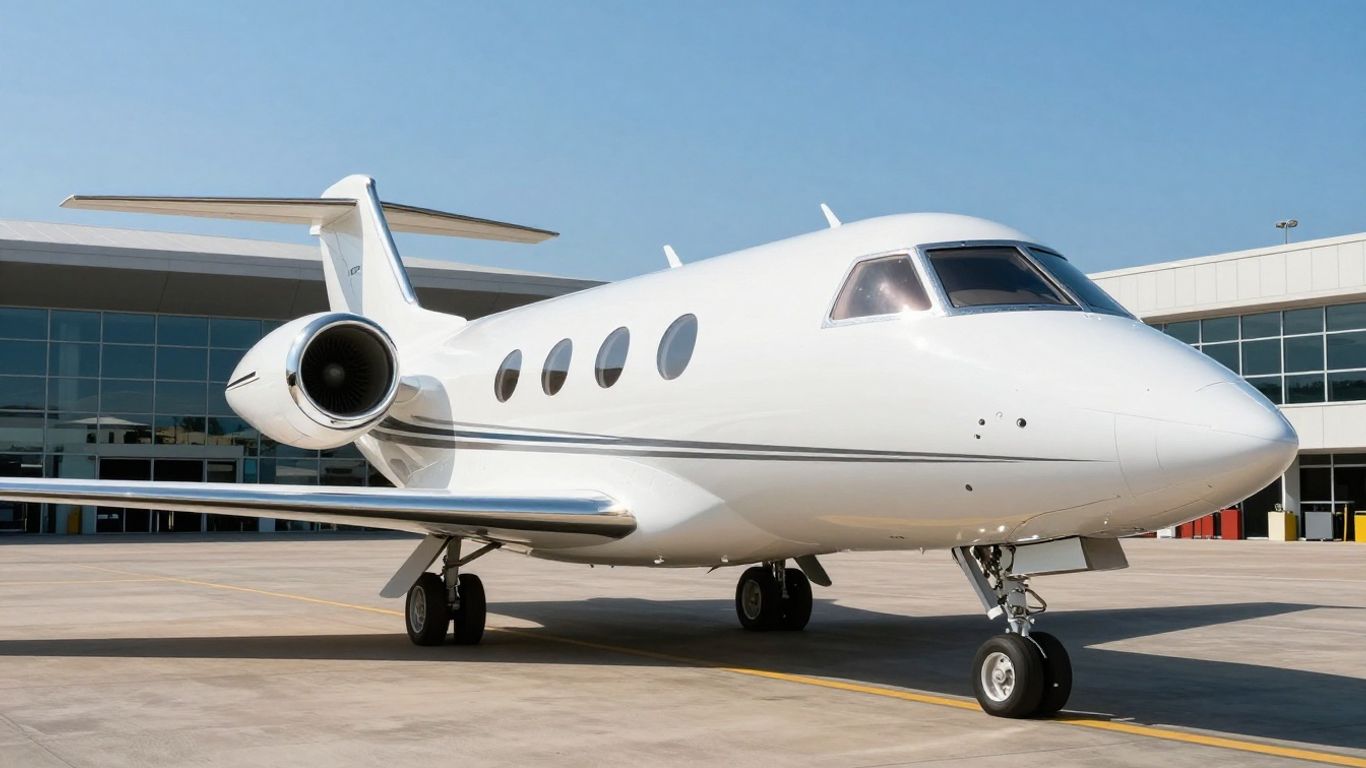
No two private flights cost the same, but getting a look at real itineraries helps people understand what to expect on their invoice. When it comes to private jet charters, the route, region, and duration all make a major difference in price.
Regional Cost Variations
The price for renting a private jet can change a lot depending on where you’re flying from and to. For example, a cross-country U.S. round trip will look very different from an international hop in South America, even using the same aircraft. Here’s how it breaks down for a popular midsize jet:
| Route | Distance & Flight Time | Total Cost | Cost per Passenger | Hourly Cost per Passenger |
|---|---|---|---|---|
| New York City ➔ Los Angeles | 10h 21m (round-trip) | $58,900 | $6,544 | $633 |
| São Paulo ➔ Caracas | 11h 41m (round-trip) | $82,500 | $9,167 | $785 |
- You’ll notice how the South America route is pricier, even though the flight times are close. That’s often down to local fuel costs, handling fees, and sometimes higher demand.
- Secondary airports can bring down the overall bill. You can see more about how different private airplane charter prices vary based on where you fly and what type of jet you need.
- Operator availability in each region is also a factor.
Comparing One-Way vs. Round-Trip Charters
Sometimes, people just want to go one way—to a big event, or maybe for a seasonal move. Other times, they need the plane to stay overnight and return home with them. Here’s what affects the price:
- One-way trips often cost nearly as much as a round trip, because the aircraft still has to return to its base or get repositioned for the next customer.
- If you book for a round trip with an overnight stay, expect extra charges for crew overnight fees, airport parking, and sometimes aircraft wait time.
- You can save big if your dates are flexible, as you might snag an empty leg deal (where the jet would otherwise fly empty).
Round trips with overnight stays include more than just flight time. Crew accommodations and parking all add up. The longer you keep the aircraft, the higher your final number will be.
The Value of a Trusted Broker
Working with someone who knows the market can help you:
- Compare real-time jet availability and find cheaper repositioning opportunities.
- Spot hidden savings, like discounts on empty legs or off-peak days.
- Avoid overpaying on airport or government fees by choosing less expensive routes or airports.
A good broker is motivated to get you the best deal, since they know how prices fluctuate by region, time of week, and jet type. For those new to private flying, a broker can walk you through all the quotes and explain what makes up each dollar.
Looking at actual trips and understanding how a trusted expert can help with your booking paints a much clearer picture than rough hourly numbers. Each trip is truly unique, so quotes will always be a little different for everyone.
So, What’s the Takeaway?
Alright, so we’ve looked at all the numbers and what goes into renting a private jet. It’s definitely not a simple ‘one-size-fits-all’ price tag, and yeah, it can add up. But, as we’ve seen, there are more ways than ever to make it work, even if you’re not a billionaire. Thinking about skipping the airport chaos and getting straight to your destination? It might be more doable than you imagined. Keep those tips in mind, especially booking ahead and looking at different options like shared seats or empty legs. Flying private is becoming a real possibility for more people, and understanding the costs is the first step to making it happen for your next trip.
Frequently Asked Questions
How much does it typically cost to rent a private jet per hour?
The cost to rent a private jet can change a lot, but usually it’s somewhere between $5,000 and $15,000 for each hour you fly. Smaller planes like turboprops might be closer to the lower end, while bigger, fancy jets will be at the higher end.
What are the main things that make private jet prices go up or down?
Several things affect the price. The size and type of the jet are big factors. How long you fly and how far you go also matter a lot. Plus, where you choose to fly from and to, and if the jet needs to move to pick you up, can change the cost.
Are there different ways to fly privately that cost less?
Yes, there are! You can sometimes find deals on ’empty legs,’ which are flights where the jet is already flying somewhere empty and needs to get back. Joining a membership club or using jet cards can also help lower costs over time, especially if you fly a lot.
Does the type of airport I use affect the price?
Definitely. Flying into or out of big, busy airports often costs more because of extra fees and less availability. Sometimes, using a smaller, nearby airport can save you money on landing fees and other charges.
Can I save money by booking my private jet flight in advance?
Booking ahead of time, usually a month or two in advance, can often get you better prices and more choices for planes. During busy times like holidays or big events, prices can go up because more people want to fly privately.
Are there extra costs besides the hourly rate when renting a private jet?
Yes, there can be. Things like government taxes and fees, if the crew needs to stay overnight at your destination, or if you ask for special food or services on the plane, can add to the total cost.