
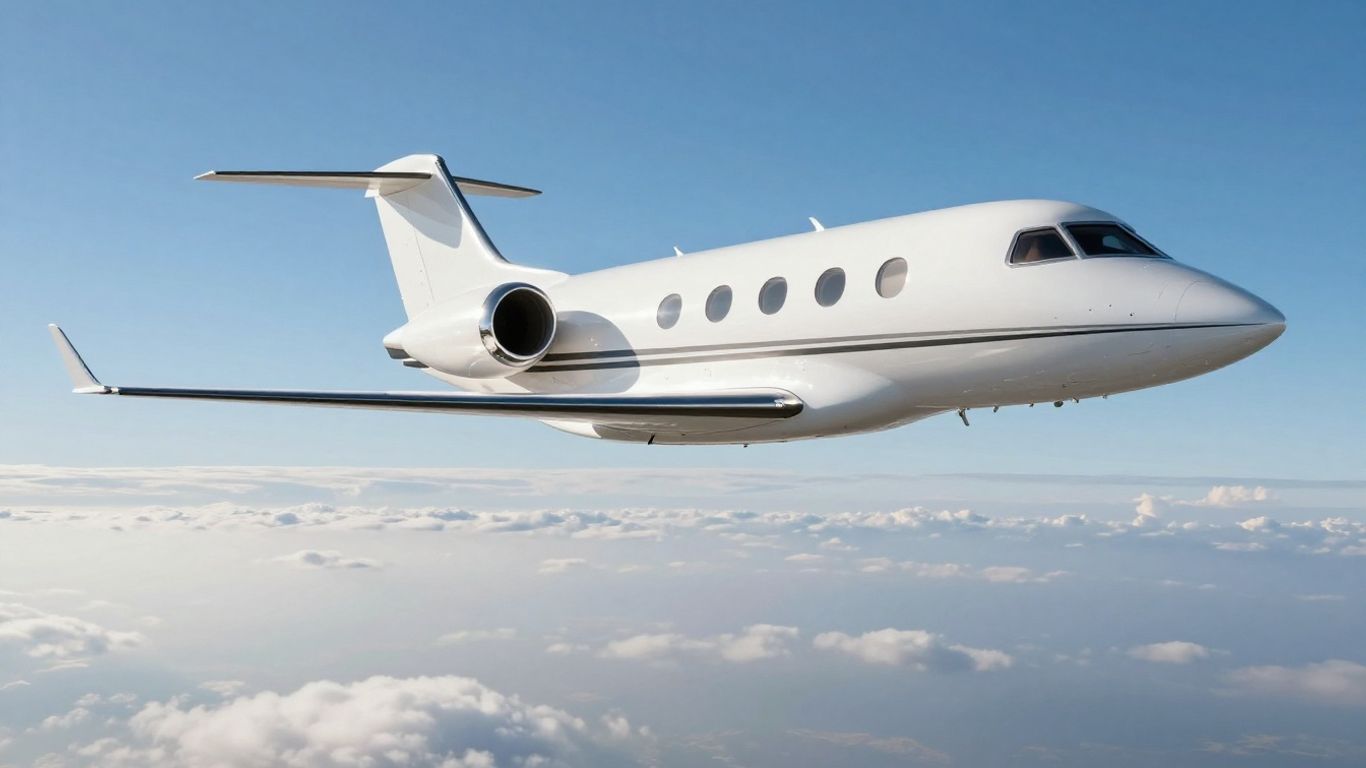
Thinking about booking a private jet? Figuring out the charter flight cost can feel a bit overwhelming at first. There’s a lot more to it than just picking a plane and a date. Costs depend on the type of aircraft, where you’re flying, how many people are coming along, and a bunch of extras you might not expect. Whether you’re planning a quick business trip or a special getaway, knowing what goes into the price can help you avoid surprises and make better decisions. Let’s break down what really shapes the cost of chartering a flight so you know what to look for.
Key Takeaways
- Charter flight cost depends on more than just the distance—aircraft type, amenities, and passenger count all play a role.
- Fees like airport landing charges, fuel surcharges, and taxes can add up quickly, especially for international trips.
- Seasonal demand and how flexible you are with timing can change the price by a lot.
- Optional extras like in-flight catering or ground transportation are nice but will increase your total cost.
- Always compare quotes from trusted brokers and check their safety certifications before booking.
Understanding The Core Components Of Charter Flight Cost
When you’re looking into chartering a private jet, it’s not quite like buying a plane ticket. There’s no single price tag that fits all. Think of it more like hiring a whole plane, just for you. This means the cost is built up from a bunch of different pieces, and understanding them helps a lot. It’s all about what makes each trip unique.
Factors Influencing The Final Price
The price you see isn’t just pulled out of thin air. It’s shaped by a mix of things. The type of plane you pick is a big one, of course. A smaller, older jet will cost less than a brand-new, super-long-range aircraft. Then there’s how far you’re going and for how long. Longer flights mean more fuel, more crew time, and more wear and tear on the aircraft. Even the number of people flying can play a role, as can how much luggage you’re bringing. It all adds up.
The Unique Personalisation Of Charters
This is where private charters really shine. Unlike a commercial flight where everyone gets the same experience, your charter is built around you. You get to choose the aircraft, and often, you can pick specific amenities. Want a certain type of snack? Need to make a quick stop? These personal touches are what make chartering special, but they also factor into the final cost. Every charter is a custom job, tailored to your specific needs and desires. This bespoke nature is a key part of the value, but it’s also why prices can vary so much from one trip to the next. It’s not just about getting from point A to point B; it’s about how you get there.
Importance Of Understanding Cost Factors
Knowing what goes into the price is super helpful. It means you won’t be surprised by hidden fees or unexpected charges. When you understand the breakdown, you can make smarter choices about your trip. Maybe a slightly smaller jet would save you a good chunk of money without sacrificing too much comfort. Or perhaps you can skip some of the extra services if you’re trying to stick to a budget. Being informed helps you get the most out of your charter experience and ensures you’re getting good value for your money. It’s about making sure your travel plans align with what you’re actually paying for. For more details on what influences private airplane charter prices, it’s worth looking into the specifics.
Key Variables That Shape Private Jet Pricing
So, you’re looking into chartering a private jet and wondering what makes the price tag what it is? It’s not like buying a plane ticket where everything’s pretty much set. With private jets, it’s a whole different ballgame, and a bunch of things can really move the needle on the final cost. Let’s break down the main players.
Aircraft Type And Amenities
This is probably the biggest one. Think about it: a small, nimble light jet that zips you across a state is going to cost way less per hour than a massive, long-range heavy jet that can cross oceans. The size of the plane directly impacts fuel burn, maintenance, and even the crew needed. Light jets might run you around $3,000 to $4,250+ per hour, while those big boys can easily hit $5,550 to $12,000+ per hour. It’s not just about size, though. Newer planes often have fancier tech and are more fuel-efficient, so they can cost more. And then there are the extras inside – like super-fast Wi-Fi, fancy entertainment systems, or even a fully enclosed bathroom. These amenities add to the price, making the flight more comfortable but also more expensive.
Flight Distance And Duration
This one’s pretty straightforward. The longer you fly, the more fuel you burn, and the longer the crew is working. So, naturally, longer flights cost more. A quick hop across town will be significantly cheaper than flying from New York to Los Angeles. The hourly rate is the main driver here, but it’s also worth remembering that some routes might have extra fees or require specific types of aircraft that are more expensive to operate. The total flight time is usually the biggest chunk of your bill.
Passenger Count And Luggage Capacity
How many people are traveling, and how much stuff are they bringing? This matters because it dictates the size of the aircraft you’ll need. If you’ve got a big group, you can’t squeeze them into a tiny jet. You’ll need a larger aircraft, which, as we’ve discussed, comes with a higher price tag. More passengers mean more fuel, more potential catering needs, and generally a bigger operational footprint. Same goes for luggage – if everyone’s bringing skis and multiple suitcases, you’ll need a plane with ample cargo space, which again points towards a larger, more costly aircraft. It’s all about matching the plane to your specific needs for that trip.
When you’re looking at quotes, always double-check what’s included. Sometimes, what seems like a great deal might not cover all the little things that add up, like specific catering requests or ground handling at your destination airport. Getting a clear picture upfront saves headaches later.
Here’s a quick look at how aircraft size generally affects hourly rates:
| Aircraft Category | Typical Hourly Rate (USD) |
|---|---|
| Light Jet | $3,000 – $4,250+ |
| Midsize Jet | $3,500 – $6,500+ |
| Heavy Jet | $5,550 – $12,000+ |
Keep in mind these are just ballpark figures, and the actual price can vary based on the specific model, its age, and the operator. It’s always best to get a personalized quote from a reputable broker for your specific trip details. You can find more information on private jet hire costs to help you compare.
Navigating Additional Fees And Surcharges
So, you’ve got the base price for your charter flight, but there are a few other bits and pieces that can add to the final bill. It’s not just about the flight time itself. Think of it like booking a hotel – you get the room rate, but then there are taxes, resort fees, and maybe even a charge for that fancy coffee maker.
Airport Landing and Handling Fees
Every time a plane lands at an airport, there’s a fee. These aren’t set by some global body; each airport authority decides its own rates. For smaller executive or regional airports, you might see fees anywhere from $100 to $1,500. Bigger, busier airports, like JFK or Miami International, can charge a lot more, sometimes over $1,000 just for landing. Then there are handling fees, which cover things like parking the plane and general services provided by fixed-base operators (FBOs). These can add another $100 to $500. Sometimes, if you buy a good amount of fuel at that FBO, they might waive these handling charges, which is a nice little perk.
Fuel Surcharges and Market Volatility
Fuel is a big part of any flight’s cost, and its price can change pretty quickly. When the cost of jet fuel goes up significantly, you’ll often see a fuel surcharge added to your quote. This isn’t just a random number; it’s usually tied to the current market price and can add around $300 per hour of flight time, or sometimes more, depending on the situation.
International Travel Permits and Taxes
Taking your charter flight across borders? That opens up a whole new list of potential charges. You’ll likely need permits for landing in a foreign country and sometimes even for flying over other countries (overflight permits). Then there are customs and immigration checks, which also come with their own fees. For international flights touching the US, there’s a federal excise tax of 7.5% on domestic legs. If you’re flying to or from Alaska or Hawaii, there’s a specific head tax of $9.90 per passenger. For international flights departing from or arriving in the US, expect a head tax of $19.70 per person. These international fees can add up, ranging from $500 to $5,000 or even more, depending on the specific route and countries involved.
It’s really important to get a clear picture of all these potential extra costs upfront. Sometimes they’re included in the initial quote, but other times they might be listed separately. Asking your broker to break down every single fee can save you from any surprises later on.
The Impact Of Operational And Seasonal Factors
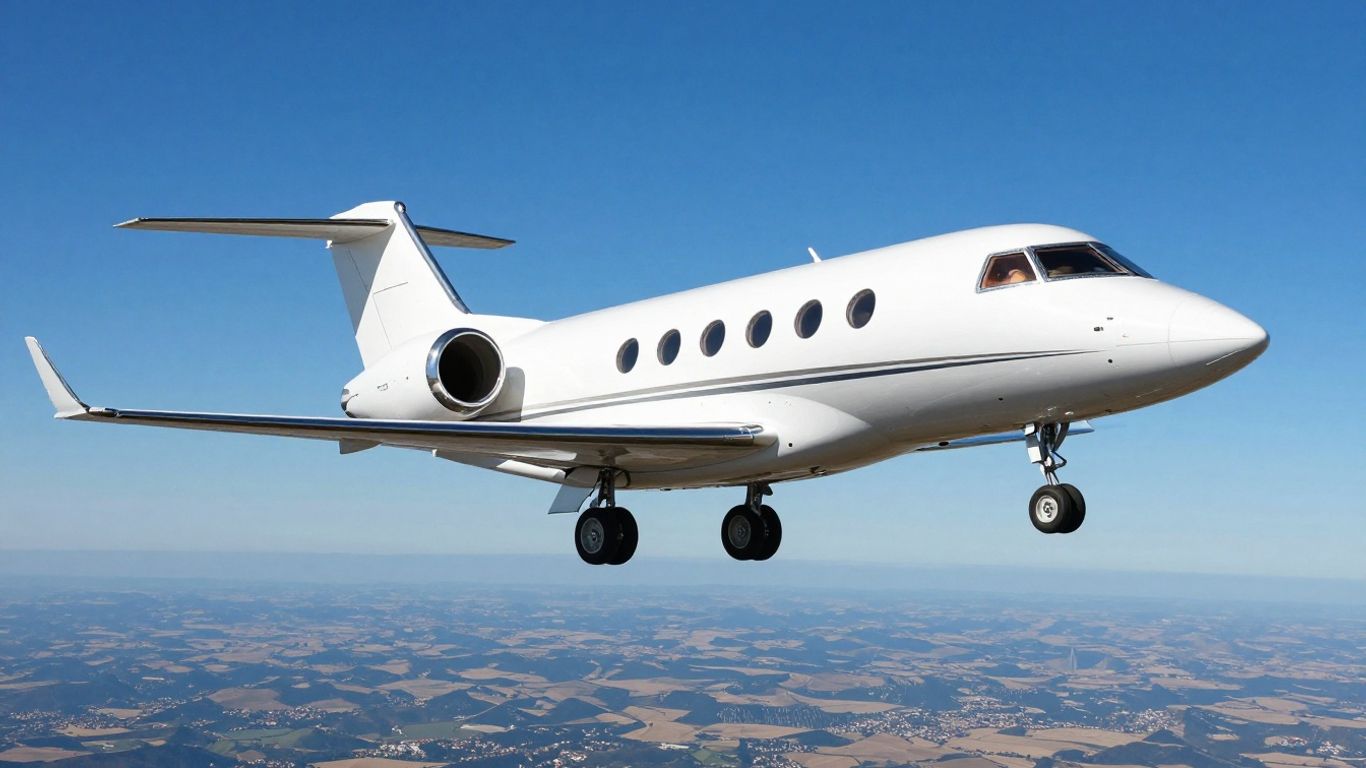
Beyond the basics of aircraft type and flight distance, a few other things can really nudge the final price of your charter flight. It’s not just about where you’re going, but also how the whole operation works behind the scenes.
Aircraft Positioning And Empty Legs
Sometimes, the jet you want isn’t sitting at your departure airport. It might be coming from another city or even another country. This means the operator has to fly the plane empty just to pick you up. This
Enhancing Your Experience With Optional Services
Beyond the basic flight, there are a bunch of extras you can add to make your trip even better. Think of it like customizing your car – you get the core vehicle, but then you can add the fancy sound system or heated seats. With private charters, these optional services can really tailor the journey to your specific needs and preferences.
Custom In-Flight Catering Options
This is where things can get really interesting. Forget those sad little bags of pretzels. You can pretty much order whatever you want to eat and drink. Want a specific brand of champagne? Done. Need a multi-course meal prepared by a chef? That’s doable too. Most charter companies work with catering services that can handle almost any request. You can often choose from pre-set menus or work with them to create something totally unique.
Here’s a general idea of what you might find:
- Gourmet Meals: Full meals, from breakfast to dinner, often with multiple courses. Think steak, seafood, or vegetarian options.
- Snacks and Appetizers: A wide variety of options, from fresh fruit platters and cheese boards to hot appetizers.
- Beverages: Everything from premium spirits and fine wines to soft drinks, juices, and specialty coffees.
- Dietary Needs: Accommodations for allergies, religious restrictions, or specific diets (vegan, gluten-free, kosher, etc.) are usually available.
The cost for catering can vary wildly, from a few hundred dollars for basic snacks and drinks to several thousand for elaborate multi-course meals. It really depends on what you order and where the flight is departing from.
Ground Transportation and Concierge Services
Getting to and from the airport is also part of the experience. Many charter services can arrange for ground transportation. This could be anything from a standard sedan to a luxury limousine or even a helicopter transfer if you’re in a hurry or need to get to a specific helipad.
Beyond just a car, you can also ask for concierge services. This might include:
- Airport Meet-and-Greet: Someone to meet you right off the plane and help with luggage.
- Hotel Bookings: Arranging your accommodation at your destination.
- Restaurant Reservations: Getting you a table at that popular spot you’ve been wanting to try.
- Event Tickets: Securing tickets for shows, concerts, or sporting events.
These services add a layer of convenience that can save you a lot of time and hassle, especially if you’re unfamiliar with the area or have a packed schedule.
Onboard Services and Entertainment Systems
Depending on the aircraft, you might have access to various entertainment and comfort features. Some jets come equipped with:
- High-speed Wi-Fi: So you can stay connected for work or leisure.
- Advanced Entertainment Systems: Large screens, surround sound, and access to movies, TV shows, and music libraries.
- Satellite Phones: For making calls when you’re out of range of cellular networks.
- Comfort Amenities: Plush seating, blankets, pillows, and even private sleeping areas on larger aircraft.
While these extras are fantastic for making your flight more enjoyable, remember they do add to the overall cost. It’s always a good idea to get a clear breakdown of what’s included in the base price and what will be an additional charge. This way, there are no surprises when the final bill comes.
When you’re getting a quote, don’t hesitate to ask about these optional services. They can truly transform a private flight from just a way to get from point A to point B into a truly personalized and comfortable travel experience.
Achieving Clarity In Your Charter Flight Cost
So, you’ve looked at all the fancy planes and figured out where you want to go. Now comes the part where you actually need to get a clear picture of what this is all going to cost. It’s not always as simple as looking at a price tag, you know? There are a few key things to keep in mind to make sure you’re not blindsided by unexpected charges.
Tips For Getting An Accurate Quote
Getting a quote that actually reflects the final price is pretty important. You don’t want any surprises when the bill comes. Here’s how to get a quote that’s actually useful:
- Be super specific about what you need. Tell them exactly how many people are flying, where you’re going, when you want to leave, and if you have any weird requests, like needing to bring a pet llama or something. The more details you give, the better they can price it out.
- Ask for a full breakdown. Don’t just accept a single number. Ask them to show you where the money is going – how much for the plane, how much for landing fees, how much for the snacks, etc. This way, you can see everything.
- Don’t be afraid to shop around. Get quotes from a few different places. It’s like buying anything else; you want to see what the going rate is.
Understanding the details of your quote is your best defense against hidden costs. A good broker will be happy to explain every line item.
Comparing Quotes From Reputable Brokers
Once you start getting quotes, you’ll notice they can vary. This is normal, but it’s also where you need to be smart. Not all brokers are created equal, and a super low price might mean something is missing.
- Look at what’s included. Does one quote include catering and another doesn’t? Does one have higher landing fees because they’re using a different airport? Make sure you’re comparing apples to apples.
- Check the broker’s reputation. Do they have good reviews? Are they known for being upfront with their pricing? A quick search can tell you a lot.
- Ask questions. If a quote seems too good to be true, ask why. They should be able to explain the difference.
Prioritising Safety And Certification
This is a big one, and honestly, it should be your top priority. Sometimes, the cheapest option might cut corners on safety, and that’s just not worth the risk. Always make sure the company you’re flying with is properly certified and has a solid safety record.
- Ask about their safety certifications. Reputable operators will have these readily available and will be proud to share them.
- Look into their safety history. Have they had any incidents? How do they handle maintenance?
- Trust your gut. If something feels off about a company or their pricing, it’s probably best to walk away and find someone else.
Wrapping It Up
So, there you have it. Chartering a private jet isn’t just about picking a plane and going. It’s a whole process with a lot of moving parts that all add up to the final price. We’ve looked at how the type of jet, how far you’re going, and even when you fly can really change things. Plus, all those little extras like food and ground transport add up too. It might seem like a lot, but understanding these details helps you get a clearer picture and hopefully, a better deal. It’s all about knowing what you’re paying for and making sure it fits what you need. Don’t be afraid to ask questions and compare your options – that’s how you get the best experience.
Frequently Asked Questions
How much does it cost to charter a private jet?
Chartering a private jet can cost anywhere from $2,000 to $18,000 per flight hour. The price depends on the type of jet, how far you’re flying, and any extra services you want. Smaller jets are usually cheaper, while bigger or more luxurious jets cost more.
What factors affect the price of a charter flight?
Several things can change the final price. These include the size and type of jet, the distance and time of the flight, how many people are flying, and how much luggage you bring. Extra services, like special food, ground transport, or extra crew, can also add to the cost.
Are there any extra fees I should know about?
Yes, there are often extra fees. These can include landing and handling fees at airports, fuel surcharges if fuel prices go up, and taxes for international travel. Sometimes, there are also fees for overnight stays or for flying during busy seasons.
Can I save money by being flexible with my travel dates?
Yes! If you can be flexible with when you fly, you might get a better price. Flying during less busy times or being open to different airports can help lower the cost. Also, booking early or looking for empty leg flights—when a jet is returning empty—can save money.
What are empty leg flights, and are they cheaper?
Empty leg flights happen when a private jet needs to fly without passengers to pick up someone or return to its base. These flights can be up to 75% cheaper than regular charter prices, but you need to be flexible with your schedule.
How do I make sure I get a safe and reliable charter flight?
Always choose a well-known broker or operator with the right safety certificates. Ask for proof of their safety record and make sure the pilots and planes follow strict rules. Don’t pick a charter just because it’s the cheapest—safety should always come first.