
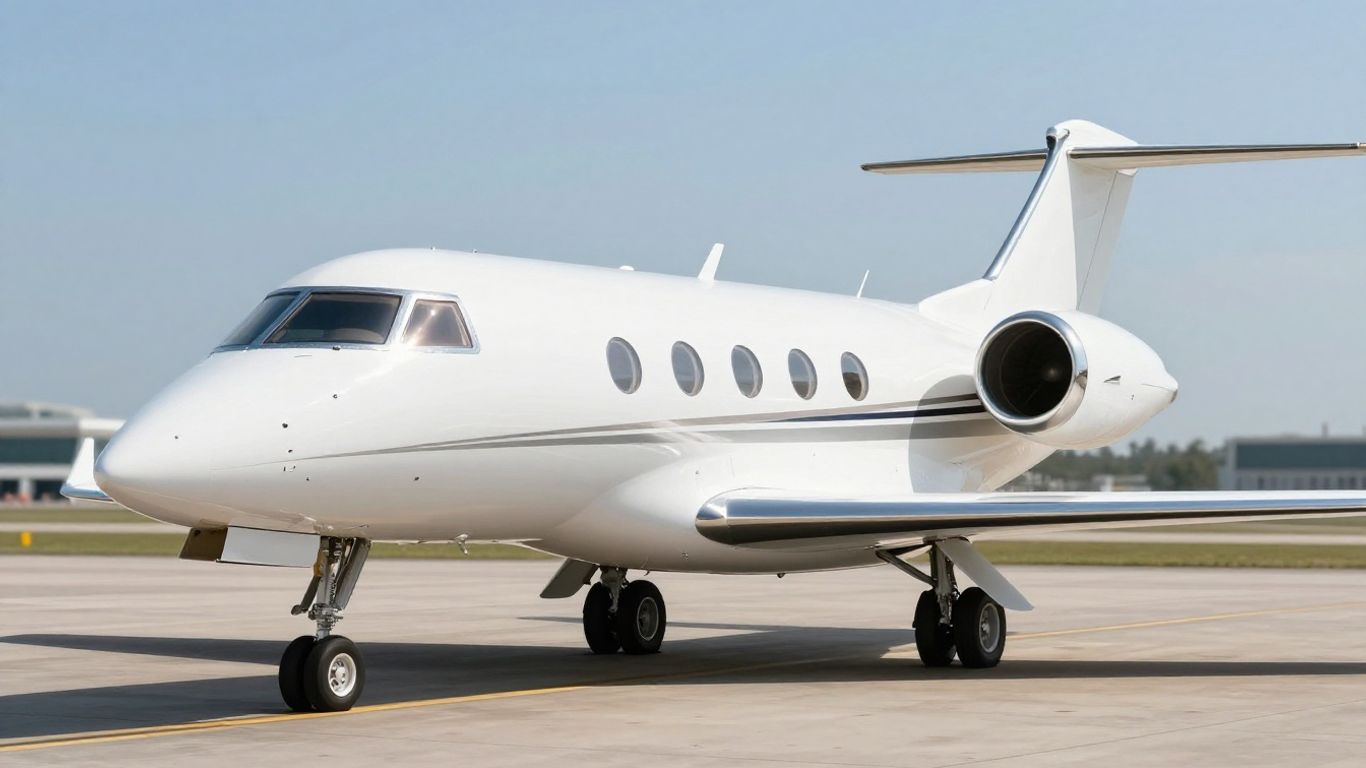
Thinking about flying private in 2026? NetJets is a big name, and understanding their card pricing is key. It can seem a bit confusing at first, with all the different options and what goes into the cost. This guide is here to break down netjets card pricing so you know what to expect. We’ll cover the basics, how the cards work, and what really affects the price tag. Let’s get this figured out.
Key Takeaways
- NetJets pricing is built on being upfront and clear, so you know what you’re paying for. They offer different ways to fly, like their cards and fractional ownership, each with its own cost structure.
- The NetJets card, like the Marquis Jet Card, lets you buy flight hours in blocks. This means you get predictable hourly rates and don’t have to worry about the big costs of owning a jet.
- When comparing NetJets programs, think about how much you fly. Cards are good for less than 50 hours a year, while fractional ownership suits those who fly a lot and need guaranteed access.
- The type of aircraft you choose significantly impacts netjets card pricing. Bigger, more complex jets cost more per hour than smaller ones, and you might also have extra fees for things like moving the plane.
- With a NetJets card, you avoid the large upfront investment and risks tied to owning an aircraft. It provides a set hourly rate for easier budgeting and shorter commitments compared to fractional ownership.
Understanding NetJets Card Pricing Fundamentals
The Core Principles of NetJets Pricing
When you’re looking into private jet travel, especially with a name like NetJets, the first thing on your mind is probably, "How much is this going to cost me?" It’s a fair question, and honestly, it’s not always a simple number. NetJets, being a big player in this space, really tries to make things clear. They want you to know what you’re paying for, and why. It’s not just about the plane itself; it’s the whole package. Think of it like buying a high-end car – you’re not just paying for the metal and wheels, but for the engineering, the brand, and the service that comes with it.
NetJets operates on a model that aims for predictability. They’ve got different ways you can fly with them, like their fractional ownership programs or the jet cards we’ll get into later. The idea is that no matter how you choose to fly, you should have a good idea of the costs involved before you even book your first trip. This approach helps people budget and plan their travel without those nasty surprises that can pop up with other services.
The private aviation world can seem complicated, but NetJets focuses on making the pricing straightforward. They want you to feel confident about your investment in flying privately.
Transparency in Private Aviation Costs
Let’s talk about being upfront with costs. NetJets makes a big deal about transparency, and for good reason. In private aviation, there are a lot of moving parts that can affect the final price. It’s not just a simple hourly rate you see advertised. You’ve got the type of aircraft, how long you’re flying, where you’re going, and even if the plane needs to be moved to pick you up. NetJets aims to lay all of this out for you.
Here are some of the things that factor into the total cost:
- Aircraft Type: Different jets have different operating costs. A smaller, faster jet will have a different price than a larger, more luxurious one.
- Flight Time: This is usually the biggest chunk of the cost, calculated per hour.
- Positioning Fees: If the aircraft isn’t already at your departure airport, you might have to pay for it to get there.
- Specific Services: Any special requests for catering or other onboard amenities can add to the bill.
They want you to understand that you’re paying for a complete service, which includes the aircraft, the pilots, maintenance, and the logistics that make it all happen. It’s about providing a reliable service, and that reliability comes with a price tag that they try to make as clear as possible.
Factors Influencing Your NetJets Investment
So, what really makes the price go up or down when you’re considering a NetJets card? It’s a mix of things, and understanding them helps you figure out if it’s the right move for your travel needs. The biggest driver is usually the aircraft you choose. NetJets has a whole fleet, from smaller jets perfect for quick trips to larger ones that can handle longer journeys with more people. Naturally, a bigger, fancier jet costs more to operate, and that’s reflected in the price you pay per hour.
Then there’s the actual time you spend in the air. This is pretty straightforward – the longer you fly, the more it costs. But it’s not just about the flight itself. You also have to consider things like peak travel times or specific service requests. For example, flying during a major holiday might have different rates than a Tuesday afternoon flight in the off-season. It’s all about matching the right aircraft and program to your specific travel patterns and budget. The goal is to give you options so you can make an informed decision about your private travel investment.
Decoding the NetJets Card Structure
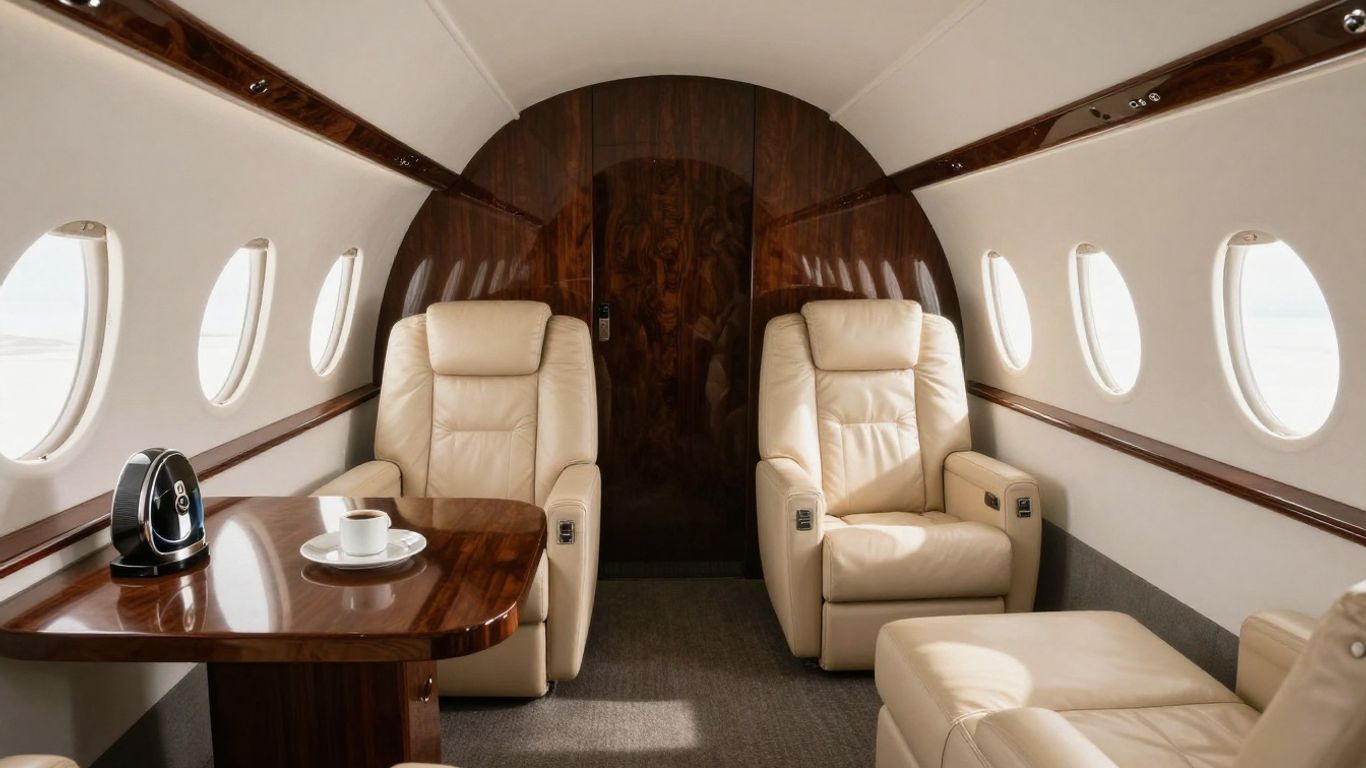
When you’re looking into private aviation, especially with a big name like NetJets, you’ll run into a couple of main ways to fly. One of those is the NetJets Card. It’s not quite like owning a piece of a plane, but it’s a way to get access to their fleet without the long-term commitment of fractional ownership. Think of it as a pre-paid ticket that guarantees you a certain amount of flight time each year.
The Marquis Jet Card Explained
While NetJets has evolved its card programs over the years, the Marquis Jet Card was a really popular option for a long time. It was essentially a way to buy blocks of flight hours, usually in 25-hour increments. The big draw was that it gave you access to NetJets’ fleet with a much simpler structure than fractional ownership. You weren’t buying into a specific aircraft; you were buying access to fly on whatever suitable aircraft was available. This made it pretty straightforward for people who wanted the NetJets experience but didn’t want to deal with the complexities of owning a share.
Prepaid Flight Hours and Increments
The core idea behind a NetJets Card is that you pre-purchase flight hours. You’re essentially paying upfront for a set number of hours you plan to fly within a year. These hours are typically sold in blocks, often 25-hour increments. This means you can buy 25, 50, 75 hours, and so on, depending on your travel needs. The pricing for these hours is usually fixed for the duration of your agreement, giving you a predictable cost per flight hour.
Here’s a simplified look at how it might break down:
| Card Type | Flight Hours | Example Hourly Rate | Total Cost (Example) |
|---|---|---|---|
| Light Jet Card | 25 | $7,500 | $187,500 |
| Midsize Jet Card | 50 | $9,000 | $450,000 |
| Heavy Jet Card | 100 | $11,000 | $1,100,000 |
Note: These are illustrative figures and actual rates vary based on aircraft type, market conditions, and specific program details.
Benefits of the Jet Card Model
So, why would someone choose a jet card over other options? Well, there are a few good reasons.
- Simplicity: It’s generally easier to understand and manage than fractional ownership. You buy hours, you fly hours.
- Predictability: You know your hourly rate upfront, which helps a lot with budgeting. No surprises about fuel costs or maintenance.
- Flexibility: You can often choose different aircraft sizes depending on your trip, and the commitment period is usually shorter than fractional ownership.
- Guaranteed Availability: With a card, NetJets typically guarantees availability with a certain amount of notice, which is a big deal in private aviation.
The jet card model is designed for flyers who want consistent access to private aviation without the responsibilities of aircraft ownership. It offers a balance between convenience and cost, providing a reliable way to use a premium fleet for business or leisure travel. The upfront payment and fixed rates mean you can plan your travel expenses with a high degree of certainty, making it an attractive option for frequent flyers who value both efficiency and financial clarity.
Comparing NetJets Programs
When you’re looking at private aviation, NetJets isn’t the only game in town, but they’re definitely a big one. They’ve got a couple of main ways people fly with them: the fractional ownership model and the jet card. It’s important to know how these stack up against each other, and also against other ways to fly privately.
Fractional Ownership Versus Jet Cards
Think of fractional ownership like buying a piece of a pie. You’re buying a share of a specific aircraft, which means you get guaranteed access to that type of jet, often with a fixed hourly rate for flight time. It’s a bigger commitment, usually involving a multi-year contract and a significant upfront investment. This is great if you fly a lot and your travel patterns are pretty consistent. You know what you’re getting, and it feels more like owning a piece of the action.
On the other hand, the NetJets card, like their Marquis Jet Card, is more like a prepaid membership. You buy a block of flight hours, and you can use those hours on various aircraft within the NetJets fleet. It’s a lot more flexible than fractional ownership. You don’t have the same capital tied up, and you can often get access to different aircraft sizes depending on your trip. It’s a good middle ground if you want the benefits of NetJets without the long-term commitment of fractional ownership.
Here’s a quick look at how they generally compare:
| Feature | Fractional Ownership | Jet Card (e.g., Marquis) | On-Demand Charter |
|---|---|---|---|
| Upfront Cost | High (Share Purchase) | Medium (Block of Hours) | Low (Per Trip) |
| Commitment | Long-term (Years) | Medium-term (Hours) | Short-term (Trip) |
| Aircraft Access | Guaranteed (Specific Type) | High (Fleet Access) | Variable (Availability) |
| Pricing Predictability | Very High | High | Moderate |
When a NetJets Card Makes Sense
A NetJets card really shines for people who need private travel but don’t necessarily fly enough to justify fractional ownership, or whose travel needs change from trip to trip. If you’re a business executive who takes several cross-country flights a year, or a family that enjoys a few vacation trips annually, a card can be a smart choice. You get the reliability and service NetJets is known for, without the large capital outlay. It’s about having access to a premium service when you need it, without the long-term strings attached.
The key benefit of a jet card is the balance it strikes between access and flexibility. You’re not locked into a single aircraft type, and you avoid the significant capital investment required for fractional shares. This makes it a practical solution for many who desire the convenience and quality of NetJets without the extensive financial commitment.
The Ideal NetJets Card Member Profile
So, who is the perfect candidate for a NetJets card? Generally, it’s someone who values convenience, reliability, and a high level of service. They likely fly privately a few times a year, maybe between 25 and 100 hours annually. They appreciate knowing their flight is secured and that they’ll be flying on well-maintained, modern aircraft with professional crews. They’re not looking to own a piece of a jet, but rather to have a convenient way to access private air travel when the need arises. Think of busy professionals, small to medium-sized businesses, or families who prioritize comfort and efficiency for their travel.
Key Components of NetJets Pricing
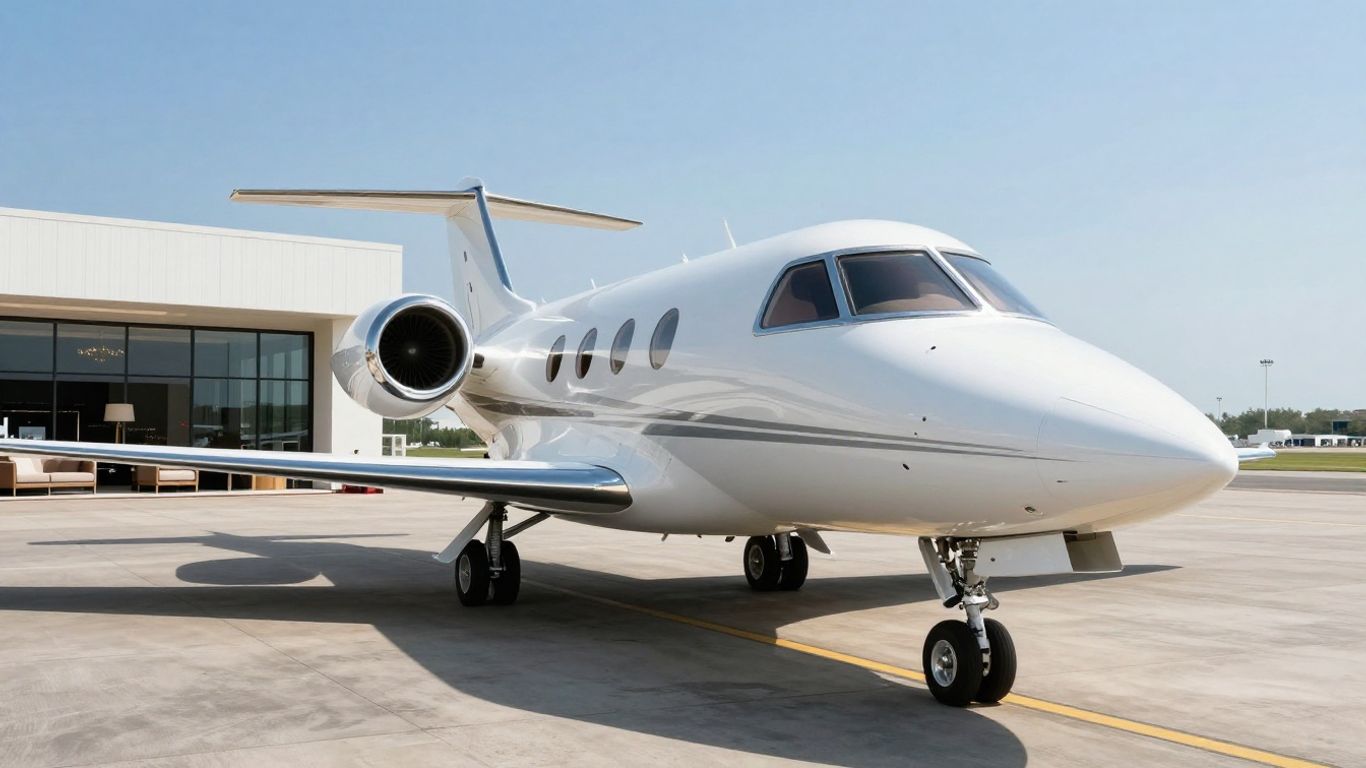
When you’re looking at the price tag for a NetJets card, it’s not just about the flight time itself. There are several pieces that fit together to make up the final cost. Think of it like building something – you need all the parts for it to work right.
Aircraft Type and Associated Costs
The plane you fly in makes a big difference. NetJets has a whole fleet, from smaller, nimble jets perfect for quick trips to larger, more spacious ones for longer journeys or bigger groups. Naturally, a bigger, fancier jet costs more to operate. This includes things like fuel, maintenance, and the crew needed for that specific aircraft. So, choosing a light jet for a short hop will be priced differently than opting for a super-midsize jet for a cross-country flight.
- Light Jets: Generally the most economical for shorter distances and fewer passengers.
- Midsize Jets: Offer a good balance of range, speed, and cabin space.
- Super-Midsize & Large Jets: Provide extended range, more amenities, and greater passenger capacity, coming at a higher price point.
Hourly Fees and Service Inclusions
Your hourly rate is the biggest chunk of the cost, but what does it actually cover? With a NetJets card, that rate usually includes a lot more than just the time the wheels are up. It typically covers the aircraft, the pilots, fuel, and standard cabin services. You’re paying for the whole package – the convenience, the safety, and the service that comes with it. The advertised hourly rate is designed to be predictable, giving you a solid basis for budgeting your travel.
It’s important to remember that the hourly fee isn’t just for the minutes you’re airborne. It’s a reflection of the entire operational cost and the premium service NetJets provides, from the moment you book until you reach your destination. This includes things like flight planning, ground support, and the upkeep of their extensive fleet.
Additional Charges and Considerations
Sometimes, there are other costs that pop up. If the aircraft isn’t already at your departure airport, you might have a "positioning fee" to get it there. This is common in private aviation. Also, if you have special requests, like specific catering or Wi-Fi for a longer flight, those can add to the bill. NetJets tries to be upfront about these, so you know what to expect before you fly. It’s all part of making sure you understand the full picture of your private travel investment.
Financial Aspects of NetJets Card Ownership
When you’re looking at a NetJets card, one of the big draws is how it shakes out financially. It’s designed to be a lot simpler than buying a whole plane, that’s for sure.
No Capital Investment or Asset Risk
This is a pretty big deal. With a NetJets card, you’re not tying up a huge chunk of cash in an aircraft. Think about it – buying a private jet outright means millions of dollars sitting on your balance sheet, and then you’ve got all the worries about its value dropping or needing repairs. A card bypasses all that. You pay for flight time, and that’s it. You get the benefits of private travel without the headache of owning the actual asset. It’s like renting a luxury car for a specific trip instead of buying the whole dealership.
Predictable Hourly Rates for Budgeting
One of the best parts of the card system is knowing what you’re going to pay. The hourly rates are generally fixed for the term of your card. This makes planning your travel budget so much easier. You buy a block of hours, and you know what each hour costs. No surprises with fluctuating fuel prices or unexpected maintenance bills popping up mid-flight. It’s a straightforward way to manage your private aviation expenses.
Here’s a general idea of how it works:
- Prepaid Hours: You purchase a set number of flight hours (often in 25 or 50-hour increments).
- Fixed Rate: Each hour has a set price, which includes many operational costs.
- Budget Certainty: This allows for clear financial forecasting for your travel needs.
Shorter Commitment Periods for Flexibility
Compared to fractional ownership, which often involves a multi-year commitment, jet cards usually have shorter terms. This means you’re not locked in for a decade. If your travel needs change, or if you decide private aviation isn’t the right fit after all, you have more flexibility. It’s a way to access private travel without the long-term obligations that come with owning a piece of an aircraft.
The card model is built around providing access and convenience. It shifts the financial burden of aircraft ownership – maintenance, crew, storage – onto NetJets, allowing you to focus purely on the travel experience and its associated costs, which are clearly defined upfront.
The NetJets Fleet and Its Pricing Impact
When you’re looking at NetJets, the fleet itself plays a pretty big role in what you end up paying. It’s not just about one type of plane; they’ve got a whole range, and each one has its own cost to operate. Think of it like choosing a car – a small sedan is going to cost less to run than a big SUV, right? Same idea here.
Fleet Size and Global Reach
NetJets boasts a massive fleet, one of the largest in the world. This isn’t just for show; it means they can get you pretty much anywhere you need to go, often without needing to reposition an aircraft from far away. This global reach can sometimes mean more competitive pricing because they have planes strategically located. Fewer ferry flights (moving an empty plane to pick you up) generally translate to lower overall costs for you.
Diverse Aircraft Options for Every Need
They offer different categories of jets. You’ve got your light jets for shorter trips, mid-size jets for more passengers or longer distances, and then the heavy jets for really long hauls or when you need more space and luxury. The type of aircraft you select directly impacts the hourly rate. A smaller, more fuel-efficient light jet will be priced lower per hour than a larger, faster, and more amenity-rich heavy jet.
Here’s a general idea of how aircraft categories might influence pricing (note: these are illustrative and actual rates vary):
| Aircraft Category | Typical Use Case | Example Aircraft | Relative Hourly Cost |
|---|---|---|---|
| Light Jet | Short trips, few passengers | Phenom 300 | Lower |
| Midsize Jet | Medium trips, more passengers | Citation Latitude | Medium |
| Heavy Jet | Long trips, maximum comfort | Gulfstream G450 | Higher |
How Fleet Management Affects Pricing
Keeping such a large fleet in top shape costs a lot of money. NetJets invests heavily in maintenance, crew training, and the latest technology. This commitment to upkeep and safety is factored into their pricing. You’re paying for a meticulously maintained aircraft with highly trained pilots. Plus, their scale allows them to negotiate better rates on fuel, parts, and services, which can help keep their card prices more stable compared to smaller operators who might face more volatile costs.
The sheer size and diversity of the NetJets fleet mean they can offer a tailored solution for almost any travel scenario. This flexibility, combined with their operational efficiency, is a key reason why their pricing, while premium, provides a predictable and reliable structure for cardholders.
Wrapping It Up
So, when you’re looking at NetJets card pricing for 2026, remember it’s not just about the numbers on a page. It’s about understanding what you’re getting: guaranteed access, a wide range of aircraft, and the peace of mind that comes with a well-established company. While the initial investment might seem like a lot, for those who fly frequently and value predictability, it can be a smart move. Think about your travel habits, your budget, and what level of service you really need. Weighing these factors will help you decide if a NetJets card is the right fit for your private aviation needs. It’s about making an informed choice for your travel plans.
Frequently Asked Questions
Is NetJets a charter company?
NetJets doesn’t work like a typical charter company where you book a single trip. Instead, they offer programs like owning a piece of a jet or buying a block of flight hours with a jet card. This means you’re usually part of a membership or ownership plan, which is different from just renting a plane for one flight.
How much does it cost to fly with NetJets?
Flying with NetJets involves paying for a share of a jet or buying flight hours ahead of time. There’s an upfront cost for your share or card, and then you pay for the hours you fly. The price depends on the type of jet you use and how long you fly, but they aim to make it clear from the start.
What’s the difference between NetJets and chartering a jet?
When you charter a jet, you book a specific plane for a specific trip. With NetJets, you often buy into a program, like owning a fraction of a jet or a jet card. This gives you guaranteed access to their fleet and often means you pay a set hourly rate, making it more predictable than chartering.
What is a NetJets card?
A NetJets card, like the Marquis Jet Card, is like a pre-paid ticket for flying on private jets. You buy a set number of flight hours, and then you can use those hours to fly whenever you need to. It offers a simpler way to access private travel without the big commitment of owning a jet.
Why is NetJets pricing structured this way?
NetJets uses this structure to offer reliable and predictable private jet travel. By having members buy into programs or purchase hours in advance, they can manage their fleet better and provide consistent service and pricing. It helps travelers budget their trips and know what to expect financially.
Do I have to invest a lot of money to fly with NetJets?
It depends on the program. Fractional ownership requires a significant upfront investment. However, the jet card program is more like buying a service package, so you don’t invest in the aircraft itself. It’s a way to use private jets without the huge cost of buying one.