
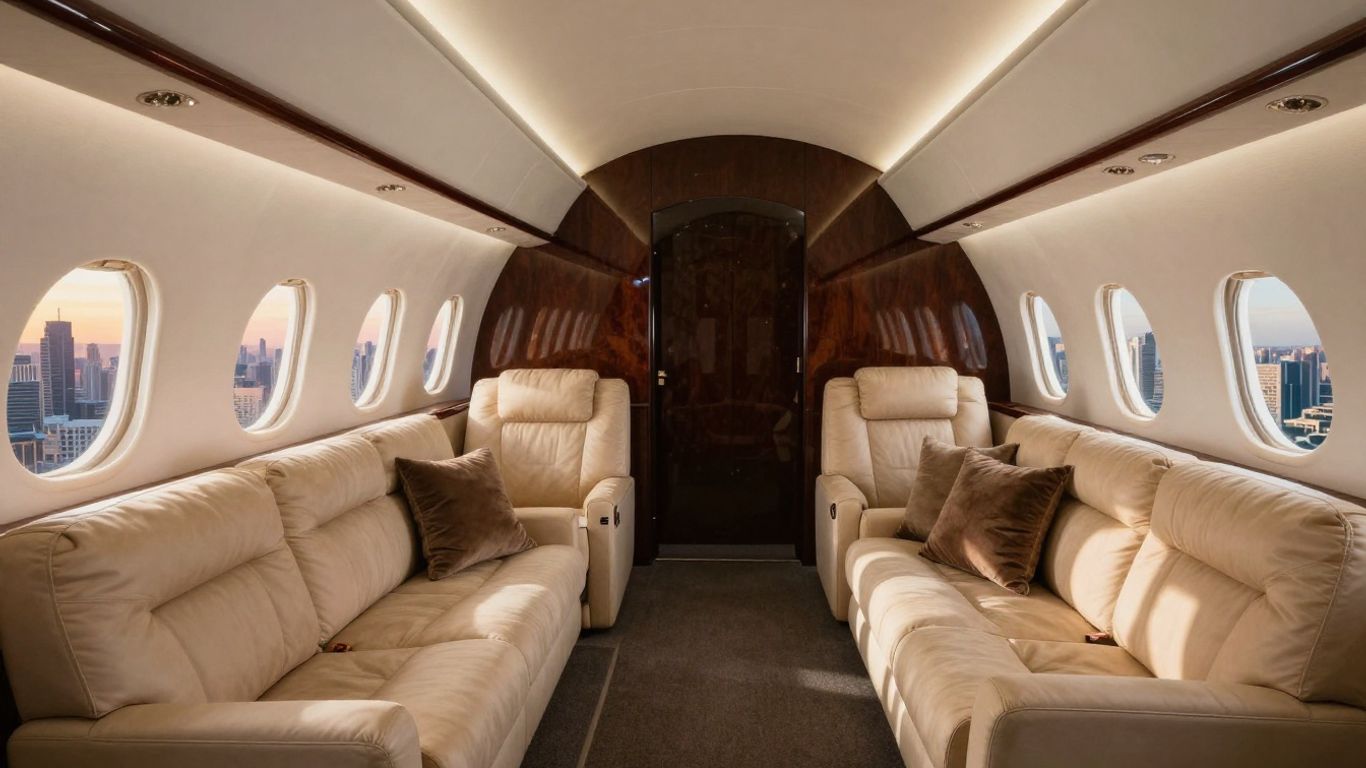
So, you’re thinking about chartering a private jet? It’s a great way to travel, offering a lot more freedom and less hassle than commercial flights. But let’s be real, it’s not exactly cheap. The price tag can seem a bit mysterious, with lots of different things adding up. We’re going to break down what actually goes into the cost of a private flight, so you know exactly what you’re paying for and maybe even find ways to save a bit.
Key Takeaways
- The type and size of the aircraft you choose is a big deal for the final price. Smaller planes for shorter trips usually cost less per hour than big jets for long hauls.
- How far you’re flying and how long you’ll be in the air directly affects the cost because it means more fuel and potentially longer crew duty times.
- Things like airport fees, especially at busy locations, and crew expenses, like overnight stays, can add up beyond just the flight time.
- When you book and what time of year you travel matter. Last-minute bookings and peak seasons often mean higher prices, while empty leg flights can offer significant savings.
- Don’t forget extra services like fancy catering, ground transport, or even Wi-Fi. These all add to the total private flight cost but can make your trip more comfortable.
Understanding The Core Components Of Private Flight Cost
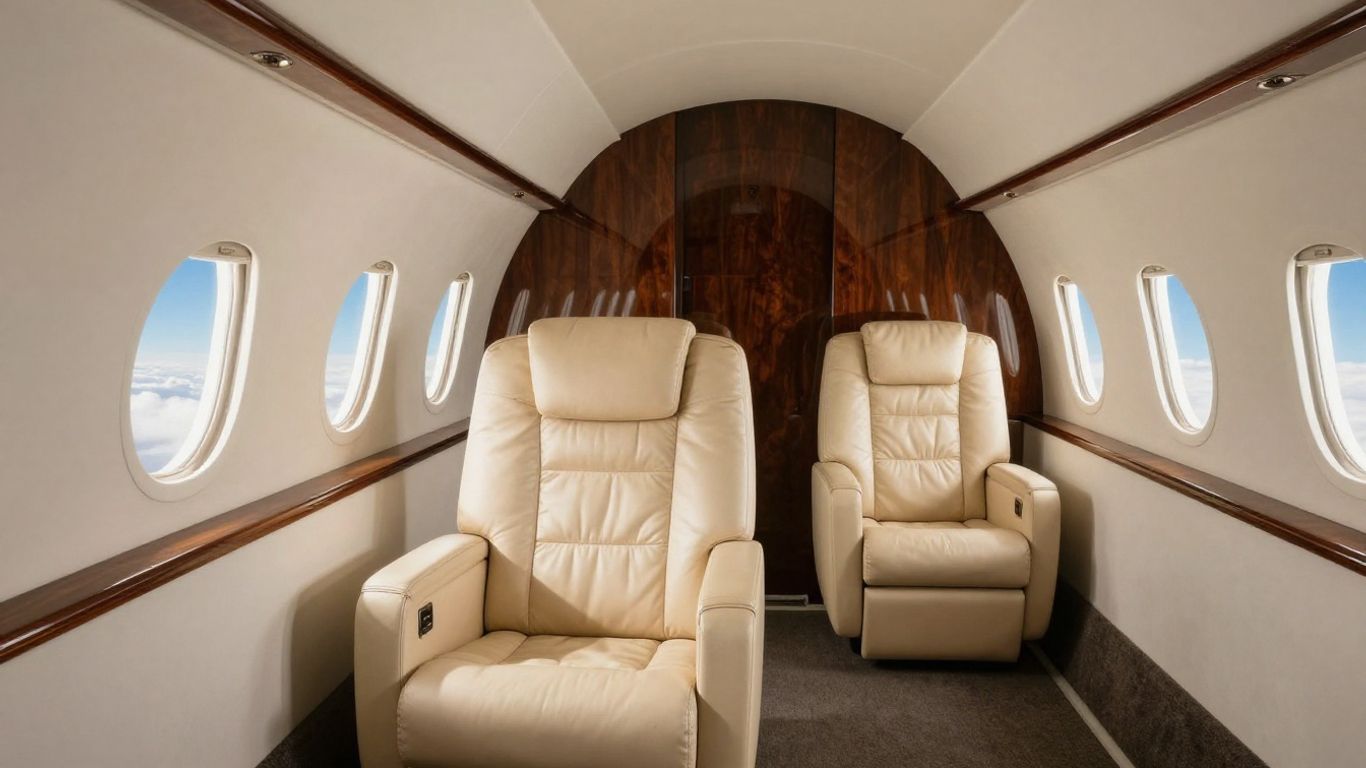
When you’re looking into chartering a private jet, it’s easy to get lost in the details. But really, the cost boils down to a few main things. Think of it like planning a big road trip – you’ve got the vehicle, how far you’re going, and who’s coming along. It’s pretty similar in the sky.
Aircraft Type And Size Impact On Charter Expenses
The plane itself is a big part of the price. You’ve got everything from smaller, nimble light jets that are great for quick trips, to massive heavy jets that can cross oceans. Naturally, a bigger, more complex aircraft costs more to operate. It uses more fuel, needs more maintenance, and generally has a higher hourly rate. It’s not just about the size, though; the age and specific features of the aircraft play a role too. A newer jet with all the latest tech might cost more per hour than an older model, even if they’re the same size.
Flight Distance And Duration Influence On Private Jet Cost
This one’s pretty straightforward. The longer you fly, the more fuel you burn, and the longer the crew is working. So, a flight from New York to Miami is going to cost less than a flight from New York to London. It’s not just the distance, but the total time the aircraft is in the air. Sometimes, even if the flight itself isn’t super long, if the plane has to travel a long way just to pick you up (that’s called a "positioning flight"), that cost can get factored into your trip, especially for one-way charters.
Passenger Count And Its Effect On Charter Pricing
How many people are flying with you matters because it dictates the size of the aircraft you’ll need. You don’t want to book a huge jet for just two people – that’s just paying for empty seats. On the flip side, trying to cram too many people into a small jet isn’t comfortable or safe. The goal is to find an aircraft that fits your group perfectly, balancing comfort with cost-effectiveness. Picking the right size means you’re not overpaying for space you don’t need, and everyone has a comfortable journey.
The price you see isn’t just for the time in the air. It includes a lot of behind-the-scenes costs like the pilots’ salaries, the plane’s upkeep, and the fees for using airports. It’s a complex operation, and all these pieces add up to the final charter price.
Operational Factors Affecting Private Jet Charter Expenses
Beyond the aircraft itself, a bunch of other things go into the final price tag of your private flight. It’s not just about the plane; it’s about where you’re going, who’s flying it, and what’s happening with fuel prices.
Airport Fees and Location Variables In Private Flight Cost
Think about airports. They aren’t all created equal when it comes to fees. Big international hubs usually charge more than smaller, out-of-the-way fields. You’ve got landing fees, which can range quite a bit depending on the size of the jet and the airport’s rules. Then there are ramp fees for parking the plane, and sometimes hangar fees if you need covered storage. Handling fees for ground services also add up. It’s a bit like paying tolls on a highway, but for planes.
- Landing Fees: Charged for using the runway.
- Ramp Fees: For parking the aircraft on the tarmac.
- Handling Fees: For ground support services.
- Navigation Fees: Sometimes applied for air traffic control services.
The specific fees can change based on the airport authority and the type of aircraft. It’s always a good idea to check with your charter provider about potential charges at your departure and arrival points.
Crew Expenses And Their Contribution To Charter Costs
The folks flying the plane need to be paid, of course. This includes their salaries, but also things like overnight accommodations if the trip requires them to stay somewhere for a night or more. Per diem allowances for meals and incidentals also get factored in. For longer trips, these crew-related costs can become a noticeable part of the overall expense. The more complex the itinerary, the higher the potential crew costs.
Fuel Surcharges And Market Volatility Impact
Fuel is a big one. Jet fuel prices can swing quite a bit based on global markets. Because of this, charter companies often add a fuel surcharge to your bill. This isn’t a fixed number; it usually floats with the current price of fuel. Sometimes, you’ll see it listed separately, and other times it’s baked into the hourly rate. It’s one of the more unpredictable parts of the cost, especially if you’re booking close to your travel date and fuel prices have recently jumped up.
Timing And External Influences On Private Flight Cost
When you’re looking at the cost of a private jet charter, it’s not just about the plane itself. A lot of outside factors can really shift the final price. Think about when you book, or even what time of year it is – these things matter.
Time of Booking and Its Effect On Private Jet Rental Prices
Booking your flight well in advance is usually the way to go if you want to keep costs down. Last-minute arrangements often come with a premium because operators have to scramble to find an available aircraft and crew. It’s like trying to get concert tickets the day of the show versus buying them months ahead. Planning ahead gives you more options and better pricing.
Seasonal Influences and Peak Travel Demand On Charter Costs
Just like with commercial airlines, private jet travel sees busy seasons. Holidays, major sporting events, or even just the summer vacation rush can drive up demand significantly. When everyone wants to fly, prices tend to climb. Conversely, flying during the off-season or shoulder months can offer more competitive rates. For example, trying to book a charter to Aspen during Christmas week will likely cost much more than a similar trip in April.
Here’s a general idea of how demand can affect pricing:
- Peak Season: Expect higher rates due to increased demand.
- Shoulder Season: Moderate pricing, often a good balance of availability and cost.
- Off-Season: Generally the lowest prices, with more aircraft availability.
Understanding Empty Leg Flights For Cost Savings
An empty leg flight, sometimes called a repositioning flight, happens when a private jet has completed a one-way trip and needs to fly back to its base or to another location without passengers. Operators often offer these flights at a significantly reduced price to offset the cost of the empty journey. It’s a fantastic way to save money, but it requires flexibility. You can’t always pick your exact departure time or even the specific aircraft, and you’ll need to be ready to book when an empty leg matches your travel needs. Checking empty leg availability can sometimes lead to surprising deals for savvy travelers.
The private aviation market is dynamic. Prices aren’t static and can change based on fuel costs, aircraft availability, and even global events. Being aware of these external pressures helps in setting realistic budget expectations for your trip.
Additional Services And Their Impact On Private Flight Cost

Beyond the basic flight, there’s a whole world of extras you can add to your private jet experience. These aren’t just little perks; they can actually add a noticeable chunk to your bill, so it’s good to know what you’re getting into.
In-Flight Catering And Beverage Options
This is probably the most common add-on. You can go from a simple snack basket to a full-on gourmet meal, complete with your favorite champagne. The more elaborate your culinary requests, the higher the cost. Think about it: fresh ingredients, specialized preparation, and sometimes even a dedicated chef for very specific needs can all drive up the price. Some operators have standard menus, while others will work with you to create something totally custom. It really depends on what you’re looking for.
Ground Transportation And Concierge Services
Once you land, the journey isn’t necessarily over. Many charter services can arrange for a luxury car to be waiting right on the tarmac, whisking you away without any hassle. This can range from a standard sedan to a high-end SUV or even a limousine. Beyond just a car, concierge services can help with all sorts of things – booking hotel rooms, securing tickets to a sold-out show, or making restaurant reservations. These services are super convenient, but they come at a price, reflecting the premium nature of the arrangements.
Onboard Amenities And Enhanced Travel Experience
This category covers a lot of ground. We’re talking about things like high-speed Wi-Fi, which is becoming almost standard but can still be an extra charge. Then there are entertainment systems, premium bedding if you’re on a long overnight flight, or even specialized equipment if you’re traveling with pets. Some jets might offer things like showers or private sleeping compartments. The more personalized and comfortable you want the cabin to be, the more you’ll likely pay. It’s all about tailoring the flight to your exact preferences.
Here’s a quick look at how some common amenities might affect your bill:
| Amenity/Service | Potential Cost Impact | Notes |
|---|---|---|
| Premium Catering | Moderate to High | Based on menu complexity and ingredients |
| High-Speed Wi-Fi | Moderate | Often charged per flight hour or data usage |
| Ground Transportation | Moderate to High | Varies by vehicle type and distance |
| Concierge Services | Variable | Based on complexity of requests |
| Specialized Cabin Needs | High | E.g., Pet accommodations, sleeping berths |
When you’re looking at quotes, pay close attention to what’s included by default and what’s listed as an optional extra. Sometimes, what seems like a small addition can significantly change the final price. It’s always a good idea to ask for a detailed breakdown of all potential charges before you commit to a booking.
These extras can really make a private flight feel special, but they’re definitely a factor to consider when you’re budgeting. For instance, if you’re just hopping between cities for a quick meeting, you might not need the caviar and the limo. But for a special occasion or a long-haul trip, these additions can make all the difference in your travel experience.
Navigating Pricing Models For Private Jet Charters
So, you’re looking into chartering a private jet and wondering how they actually figure out the price. It’s not like buying a plane ticket where you see a set price for a seat. Private jet pricing is a bit more involved, and understanding the different ways it’s calculated can really help you budget and make smart choices. The way a jet is priced often depends on how you plan to use it.
Hourly Charter Rates And Their Inclusions
This is probably the most common way you’ll see private jet costs presented. Basically, you’re paying for the time the aircraft is in the air, and sometimes for the time it takes to get it to you. The hourly rate itself isn’t just for the plane sitting there; it bundles a bunch of things together.
Here’s what’s usually baked into that hourly figure:
- Aircraft Operation: This covers the day-to-day running of the jet.
- Fuel: A big chunk of the cost, naturally.
- Routine Maintenance: Keeping the aircraft in tip-top shape.
- Crew Compensation: Paying the pilots and flight attendants.
- Insurance: Protecting the aircraft and passengers.
Rates can swing quite a bit depending on the size and type of jet. Think of it like renting a car – a small sedan is cheaper per day than a big SUV. For private jets, a light jet might cost around $3,000 to $4,250 per hour, while a larger, long-range jet could be $5,550 to $12,000+ per hour. It’s important to ask if "billable flight hours" include the time the plane spends repositioning to pick you up or return to its base. Sometimes, that’s an extra charge.
Fixed-Rate Pricing For Frequent Flyers
If you find yourself chartering private jets pretty regularly, maybe for business trips or frequent family visits, a fixed-rate model might be worth looking into. This is often part of a membership program, sometimes called a "jet card." With this approach, you buy a block of flight hours upfront at a set price.
- Predictability: You know exactly what you’ll pay per hour, regardless of market fluctuations at the time of booking.
- Simplicity: It simplifies budgeting for your travel expenses.
- Potential Savings: For consistent users, it can sometimes offer better rates than on-demand charters, especially if you lock in a good deal.
The fixed rate is usually determined by the type of aircraft you commit to using and the number of hours you purchase. It’s a good way to get some cost certainty if private aviation is a regular part of your travel strategy.
Understanding Dynamic Market Rates For On-Demand Charters
This is the pricing model you’ll encounter most often if you’re chartering a jet on an as-needed basis. Think of it like booking a hotel room – prices can change based on demand, availability, and even the day of the week or season. When you request a charter on demand, the operator looks at their available aircraft and the current market conditions to give you a quote.
The price you get today for a specific flight might be different from the price you get for the exact same flight next month. This is because factors like seasonal demand, unexpected surges in requests, or even the availability of specific aircraft types can cause rates to shift. Being flexible with your travel dates and times can sometimes help you snag a better price.
Factors that influence these dynamic rates include:
- Current Aircraft Availability: If many people are booking flights, fewer planes are available, and prices go up.
- Time of Year: Peak travel seasons (like holidays or major events) generally see higher rates.
- Specific Route Demand: Some routes are more popular than others, affecting pricing.
Because these rates can change, it’s always a good idea to get quotes from a few different providers and book as far in advance as possible, especially if your travel dates are firm.
Taxes And Regulatory Fees In Private Flight Cost
Beyond the hourly rate you pay for the aircraft itself, there are a few other charges that get tacked onto your bill. Think of them as the necessary paperwork and fees that keep everything legal and operational. It’s not the most exciting part of planning a trip, but understanding them is key to knowing the real cost.
Federal Excise Tax On Domestic Private Jet Charters
For flights within the United States, you’ll almost always see a Federal Excise Tax (FET) added. Right now, it’s set at 7.5% of the flight’s cost. This tax goes towards funding the national aviation system. It applies to most charter flights, so it’s a pretty standard charge you’ll need to budget for.
International Travel Fees And Foreign Taxes
Taking your private jet across borders? That’s when things get a bit more complicated. Each country has its own set of rules and fees. You might run into landing permits, customs processing, and various airport charges that differ from place to place. Some countries also have their own specific taxes on air travel. It’s a good idea to ask your charter provider for a clear breakdown of what to expect for international legs of your journey.
Understanding Segment Fees And Other Aircraft-Related Charges
Besides the big ones, there are a few other smaller fees that can add up. Airports often charge landing fees, which vary depending on the airport and the size of the plane. Then there are handling fees from the fixed-base operator (FBO) who helps with everything on the ground, like parking and servicing the aircraft. Sometimes, you’ll also see segment fees, which are charged per passenger, per leg of the flight. These might seem minor, but they contribute to the overall expense.
It’s important to remember that these taxes and fees aren’t arbitrary. They help maintain airports, fund air traffic control, and ensure the safety and security of the aviation system. While they add to the cost, they are a necessary part of flying.
Wrapping It Up: Your Private Flight Budget
So, we’ve looked at all the pieces that make up the cost of a private jet trip. It’s not just about the flight time itself, though that’s a big part of it. Think about the plane you pick – a small one for a quick hop is different from a big one for a long haul. Then there’s how far you’re going, where you’re landing (some airports cost more than others), and even when you book. Don’t forget about those extras like fancy snacks or a car waiting for you. It all adds up. By keeping these things in mind, you can get a much clearer picture of what your private flight will cost and make sure there are no big surprises when the bill comes.
Frequently Asked Questions
What’s the biggest thing that makes private jet trips cost more?
The main things that make a private jet trip cost more are the size and type of the jet you pick, and how long and far you’re flying. Bigger jets for longer trips use more fuel and need more upkeep, so they naturally cost more per hour. Think of it like renting a small car versus a big RV – the RV costs more to run.
Does it cost more to fly at certain times?
Yes, it really does! Flying during busy times, like holidays or major events, usually costs more because lots of people want to fly. Booking your trip way ahead of time can often save you money compared to booking last minute. It’s like buying concert tickets early versus waiting until the show is almost here.
Are there ways to save money on private jet travel?
Definitely! One great way is to look for ’empty leg’ flights. These are flights where the jet needs to fly back empty anyway, so they offer them at a big discount. Also, if you fly a lot, joining a jet card program can give you a set price per hour, which helps avoid surprise costs during busy seasons.
What are ‘airport fees’ and do they add a lot to the cost?
Airport fees are charges from the airport for using their services, like landing, parking, and ground handling. These can add up, especially at busy or fancy airports. The cost depends on the airport and the size of the jet. It’s good to ask your charter company about these fees upfront.
What about food and drinks on the plane? Does that cost extra?
Often, yes. While some basic snacks and drinks might be included, special meals, fine wines, or a full catering service will usually cost extra. You can often pick exactly what you want, but the more elaborate the choices, the more it will add to your bill. It’s part of making the flight exactly how you like it.
Are there taxes I need to know about?
Yes, there are taxes. In the U.S., there’s a federal tax on most domestic private jet flights. If you’re flying internationally, you might run into different country taxes, customs fees, and other charges. Your charter company should be able to explain all the taxes and fees that apply to your specific trip.