
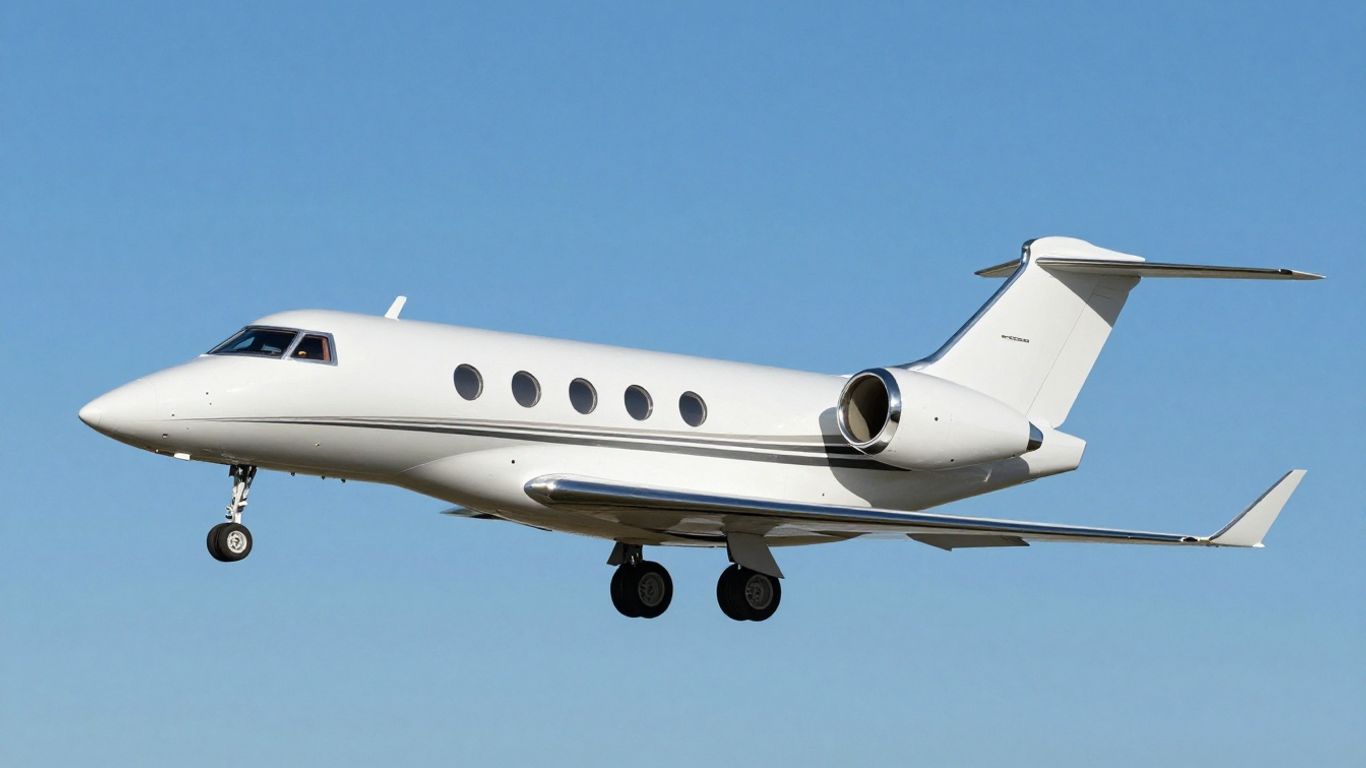
Flying private isn’t just a luxury anymore; it’s a way to get ahead. The world of private planes is pretty complex, with lots of companies building amazing jets. These aren’t your typical airliners; they’re made for people who really value their time, whether they’re running a business, managing family money, or just traveling the globe. Companies like Cessna and Gulfstream are huge in the US market, showing how much people trust them. When you buy a private jet, it loses value over time, so picking the right one matters a lot. We’re going to look at the most trusted makers of these private planes, what makes them special, and why folks with money choose their jets. If you’re thinking about jet cards, owning a plane, or just curious about how these things are made, this is for you. We’ll cover the top private jet manufacturers.
Key Takeaways
- Private jets offer a competitive edge by giving users control over their schedules and privacy, unlike commercial flights.
- The market includes various jet types, from light jets for short trips to long-range jets for intercontinental travel.
- Major manufacturers like Gulfstream, Bombardier, Dassault, and Cessna dominate the industry with their focus on craftsmanship and technology.
- Market growth is driven by increased demand from wealthy individuals and businesses, plus ongoing technological improvements.
- Future trends include a focus on sustainable fuels, electric/hybrid options, and advanced cabin technology.
1. Gulfstream
When you think of top-tier private jets, Gulfstream often comes to mind first. Based in Savannah, Georgia, this company has built a reputation for creating some of the most luxurious and capable aircraft out there. They were one of the first to really push the boundaries with ultra-long-range jets, and honestly, they’ve kept that momentum going.
Gulfstream jets are practically synonymous with global travel without compromise.
What makes them stand out? A few things, really. For starters, the range on some of their models, like the G700, is just incredible – we’re talking up to 7,750 nautical miles. That means you can hop from, say, New York to Tokyo without needing to refuel. Plus, they pay a lot of attention to the cabin experience. They aim for a cabin altitude of around 4,850 feet, which is lower than many other jets, helping passengers feel less tired on those really long flights. The air purification system is also pretty advanced, cycling the cabin air every few minutes.
Here’s a quick look at what makes a Gulfstream special:
- Unmatched Range: Capable of covering vast distances on a single flight.
- Cabin Comfort: Features like lower cabin altitude and advanced air filtration.
- Advanced Cockpit: Equipped with cutting-edge flight systems for pilot confidence.
- Prestige: A favorite among business leaders, celebrities, and government officials for important trips.
It’s not just about the specs, though. There’s a certain prestige associated with flying a Gulfstream. You see them used for all sorts of high-profile missions, from executive transport to government use. They really set a high bar for what a business jet can be. If you’re looking for an aircraft that combines serious performance with a truly first-class cabin, Gulfstream is definitely a manufacturer to consider. They’ve been making waves in private aviation for a long time, and it’s easy to see why Gulfstream Aerospace continues to be a leader.
Flying a Gulfstream often means you’re not just traveling; you’re making a statement about efficiency and capability. It’s about getting where you need to go, comfortably and quickly, no matter the distance.
2. Bombardier
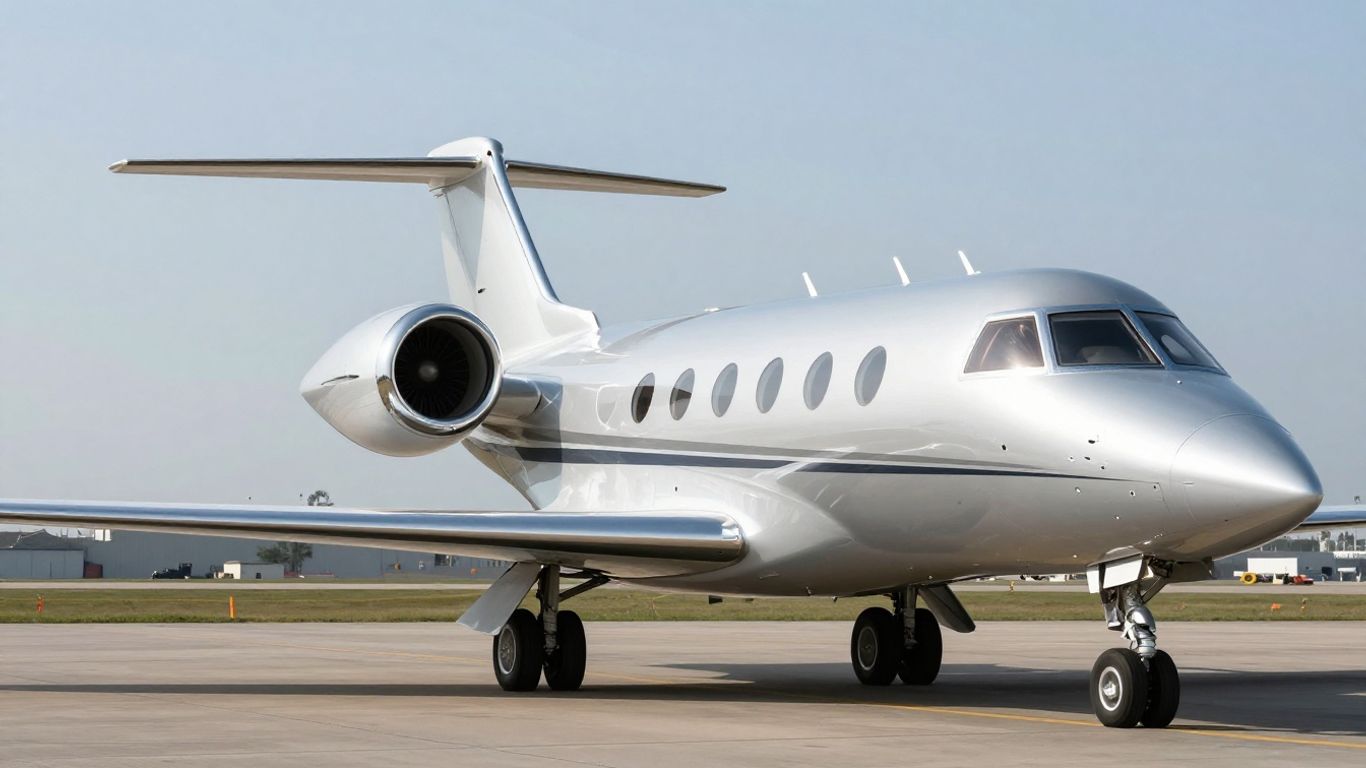
When you think of big, long-range private jets, Bombardier often comes to mind. This Canadian company has been a major player in the aviation world for a long time, and they make some seriously impressive aircraft.
Bombardier’s lineup is mostly split between their Global and Challenger series. The Global jets are the big boys, designed for those trips that span continents. Think of the Global 7500 – it’s one of the largest private jets out there, built specifically for flying really, really far. It’s got these cool separate living areas inside, which is pretty wild for a plane. They’ve also got the Challenger series, which covers a range of sizes, from mid-size to larger jets, good for all sorts of business travel.
What people seem to like about Bombardier is that they manage to pack in a lot of technology without making the planes feel overly complicated. Plus, they’re known for having pretty quiet cabins, which is a nice touch when you’re spending hours in the air. They also have a knack for designing planes that can handle shorter runways, which opens up more airport options.
Bombardier has a solid reputation for building reliable, high-performance aircraft that are popular with charter companies and individuals who need to travel across multiple continents regularly. Their focus on cabin comfort and advanced features makes them a strong contender in the ultra-long-range market.
Here’s a quick look at some of their popular models:
- Global 7500: The flagship, known for its massive range and multiple cabin zones.
- Challenger 3500: A popular super mid-size jet offering a good balance of range and comfort.
- Global 6500: Another long-range option, great for international travel with a spacious cabin.
With over 5,000 of their business jets flying around the world, it’s clear that Bombardier has a significant presence and a loyal customer base. They really hit a sweet spot between luxury, performance, and the ability to go just about anywhere.
3. Cessna
When you think about private planes, Cessna is probably one of the first names that pops into your head. It’s been around forever, and for good reason. Based in Wichita, Kansas, Cessna, now part of Textron Aviation, has built a reputation for making reliable planes that get the job done.
They’re especially known for their Citation line. These aren’t usually the jets you see flying across oceans, but they’re perfect for hopping between cities or for shorter business trips. Think of them as the dependable workhorses of the private aviation world. They offer a range of sizes, from the smaller light jets that are easy on the wallet and great for quick hops, to midsize options that give you a bit more room and range for trips across the country.
What makes Cessna a solid choice for a lot of people?
- Lower running costs: Compared to some of the bigger, longer-range jets, Citations generally cost less to fly and maintain.
- Airport flexibility: Many Cessna models can use smaller airports, which can be super convenient if your destination doesn’t have a major hub.
- Comfortable cabins: While they might not have the sprawling lounges of the ultra-long-range jets, modern Cessna cabins are surprisingly nice and comfortable for their size.
Cessna’s Citation jets are often the backbone of many jet card programs because they offer a good mix of versatility and comfort.
Many people choose Cessna because they just need a solid, no-fuss way to travel for business. They aren’t trying to set any speed records or cross continents non-stop, but they need to get from point A to point B reliably and without breaking the bank. Cessna fits that bill perfectly.
Models like the Citation CJ4 Gen2 or the Citation Longitude are really popular. They’re the kind of planes you’ll see a lot because they just work well for a wide variety of travel needs. They might not have the same prestige as some European brands, but they offer a practical and comfortable way to fly privately.
4. Dassault
Dassault Aviation, a name that echoes with a long history in aviation, especially on the military side, has carved out a significant niche in the private jet world with its Falcon line. Think of them as the folks who bring that military-grade precision and robustness to the skies for business travelers. They started way back in 1929, and that deep experience, particularly in designing advanced military aircraft, really shows in their business jets. It’s not just about building planes; Dassault is known for doing a lot of the work in-house, from the whole aircraft down to the small parts. This vertical integration means they have a pretty tight grip on quality and performance.
Their Falcon jets are generally praised for being tough, efficient, and having a certain European flair in their design. They’ve managed to create aircraft that are both high-performing and comfortable for long journeys.
- Falcon 2000 Series: A popular choice, often seen as a solid midsize option that balances range and cabin space.
- Falcon 900 Series: Known for its tri-jet configuration, offering excellent performance and range.
- Falcon 7X & 8X: These are the longer-range players, designed for intercontinental travel with spacious cabins.
- Falcon 10X: Their newest and largest offering, aiming to set new standards in cabin size and technology.
Dassault’s approach seems to be about building aircraft that are not just fast and far-reaching, but also incredibly reliable and well-engineered, drawing directly from decades of experience in demanding aviation sectors. They focus on creating a resilient and efficient flying experience for their clients.
5. HondaJet
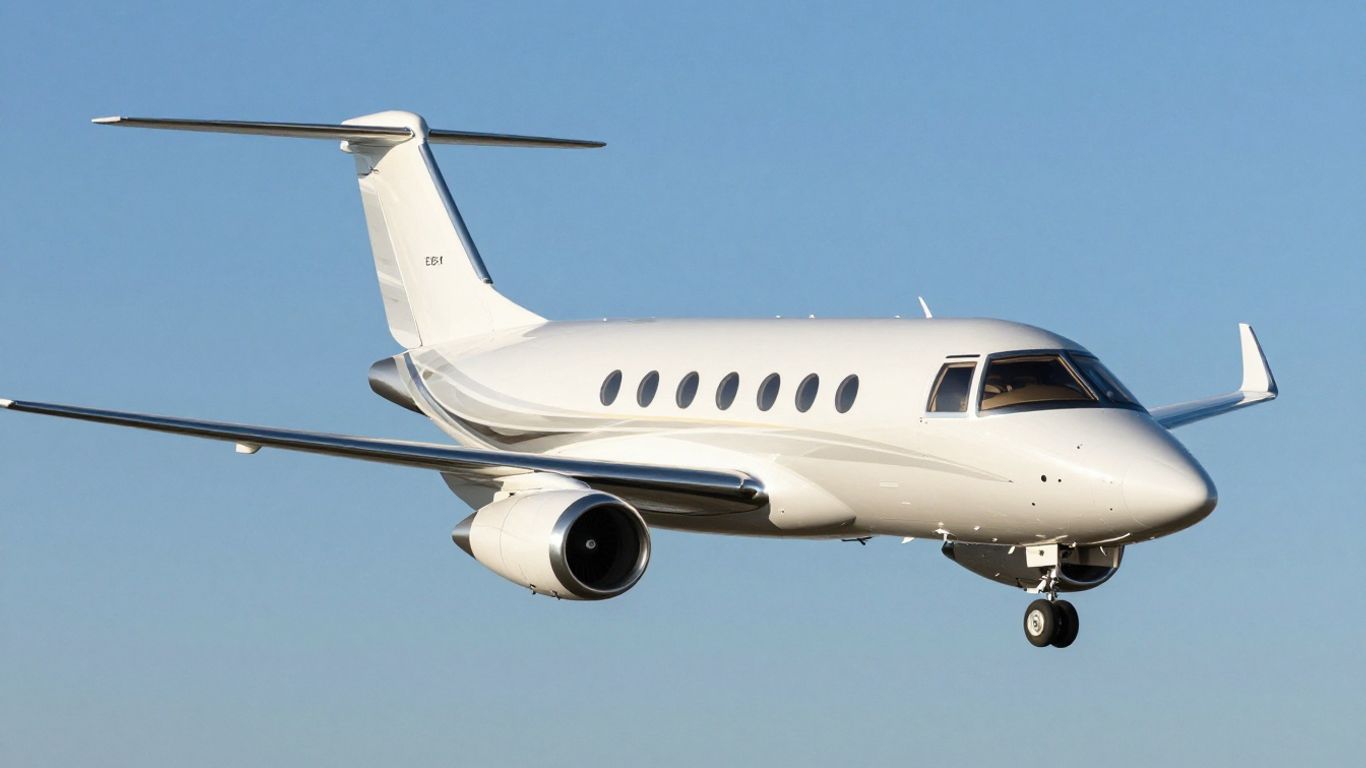
When you think of Honda, you probably picture cars or maybe those reliable lawnmowers. But they’ve also made a pretty big splash in the private jet world with the HondaJet. It’s not like the massive planes from some other companies; Honda went for a different approach, focusing on the light jet category. Their most distinctive feature is the engine placement, mounted above the wings. This isn’t just for looks; it actually helps make the cabin quieter and the plane more fuel-efficient.
Honda started sketching out ideas for this jet way back in 1997, and it first took to the skies in 2003. It shows they’ve been working on this for a while, refining the design. The HondaJet Elite II, for instance, has picked up awards for its sharp looks and smart tech. It’s a good choice for business folks or entrepreneurs who need to hop between cities without the hassle of commercial travel.
Here’s a quick look at what makes the HondaJet stand out:
- Unique Engine Mount: Over-the-wing engine placement reduces noise and improves fuel use.
- Advanced Avionics: Features like automated takeoff and landing systems make flying smoother.
- Compact Efficiency: Designed for regional travel, it’s a smart option for shorter trips.
- Brand Trust: It carries the reputation of Honda, a company known for engineering quality.
The focus on fuel efficiency and a quieter cabin makes the HondaJet a compelling option for those who value comfort and operational savings on shorter routes. It’s a testament to Honda’s engineering prowess extending beyond the automotive sector.
For those looking for a capable light jet, the HondaJet offers a blend of innovation and practicality. It’s a solid contender in its class, proving that even a company known for cars can build a great aircraft. You can find out more about their current models and specifications on the Honda Aircraft Company website.
6. Embraer
Embraer might be a newer name compared to some of the old guard in private aviation, but don’t let that fool you. This Brazilian company, founded back in 1969, has really made a splash, especially in the light and mid-size jet categories. They’ve managed to carve out a serious niche for themselves by focusing on smart design and solid performance.
When you look at Embraer’s lineup, you’ll see a lot of attention paid to making jets that are efficient and comfortable for shorter to medium-range trips. Think of them as the go-to for business travelers who need reliable transport for regional hops or cross-country flights without needing the absolute biggest plane in the sky.
Here’s a quick look at what makes their jets stand out:
- Phenom Series: These are their light jets, designed for speed and efficiency. The Phenom 100 is a popular entry-level option, while the Phenom 300 series has become a real favorite, known for its speed and comfortable cabin.
- Praetor Series: Stepping up, the Praetor 500 and 600 are super mid-size jets. They offer a bit more range and cabin space, blending performance with a touch of luxury.
- Legacy Series: For those needing more, the Legacy line offers larger cabin aircraft, including ultra-long-range options that compete with the biggest players.
Embraer’s focus on innovation is clear, especially in how they balance cabin comfort with operational efficiency. They’re not just building planes; they’re building solutions for modern business travel.
Embraer has a knack for packing a lot of capability into their aircraft. They often feature advanced avionics and well-thought-out cabin layouts that make flying feel less like a chore and more like a productive part of the journey. It’s this blend of practicality and forward-thinking design that has earned them a solid reputation.
7. Pilatus
Pilatus Aircraft, a Swiss company, has a long history, starting way back in 1939. They’re not really in the same league as the big guys making massive jets, but they’ve carved out a really solid niche for themselves. Pilatus is best known for its single-engine turboprop aircraft, which are super popular for regional travel, training, and special missions. Think of them as the rugged, reliable workhorses of the sky.
Their most famous model is probably the PC-12. It’s a single-engine turboprop that can carry a good number of passengers and has a surprisingly large cargo capacity. What’s cool about the PC-12 is its versatility. It can land on short, unpaved runways, which opens up a lot of possibilities for getting to places other planes can’t easily reach. It’s a favorite among charter operators, medevac services, and folks who need to get to remote locations.
Pilatus also makes the PC-21, a high-performance turboprop trainer used by air forces around the world. And more recently, they’ve entered the business jet market with the PC-24, often called the ‘Super Versatile Jet’. This jet is designed to be able to use shorter runways, even grass or gravel, much like their turboprops. It’s a pretty unique offering in the jet world.
Here’s a quick look at some of their key aircraft:
- PC-12 NGX: The flagship single-engine turboprop, known for its flexibility and efficiency.
- PC-24: The ‘Super Versatile Jet’, designed for short runway operations and cargo flexibility.
- PC-21: A leading advanced turboprop trainer aircraft.
Pilatus focuses on building robust, multi-role aircraft that offer a lot of utility. They might not have the same range or cabin size as a Gulfstream, but their planes are built for practicality and getting the job done in a variety of challenging environments.
8. Cirrus
Cirrus Aircraft has really carved out a unique space for itself, especially with its Vision Jet. It’s often called a ‘personal jet,’ and that’s a pretty good way to think about it. They’ve put a lot of effort into making it feel accessible and advanced at the same time.
The Vision Jet is designed to be a step up for pilots who might be flying smaller planes but want more capability. It’s not just about speed; it’s about the whole experience. They’ve focused on making the cockpit intuitive and the cabin comfortable, aiming for that sweet spot between a high-performance aircraft and something that feels manageable for a wider range of pilots.
Here’s a quick look at what makes the Vision Jet stand out:
- Single Engine Design: This simplifies the aircraft and helps keep operating costs down compared to twin-engine jets.
- Advanced Avionics: The flight deck is packed with modern technology, including features that help with navigation and landing, even in less-than-ideal weather.
- Unique Cabin Configuration: Cirrus has played with the interior layout to maximize space and comfort for passengers.
Cirrus has been pushing the envelope with its aircraft, and the Vision Jet is a prime example of that. They’re not afraid to try new things, and it seems to be paying off. It’s interesting to see how they’re changing personal aviation with their approach.
Cirrus really seems to be aiming for a blend of innovation and practicality. They want pilots to feel confident and in control, whether they’re flying for business or pleasure. It’s a different take on what a private jet can be.
9. Airbus
While Airbus is a giant in commercial aviation, their foray into the private jet market, particularly with the Airbus Corporate Jets (ACJ) division, brings a unique perspective. Think of it as taking the spaciousness and advanced technology from their airliners and shrinking it down for a more exclusive experience.
Airbus ACJ aircraft are essentially customized airliners, offering unparalleled cabin volume and the potential for bespoke interiors that rival luxury apartments. This isn’t your typical light jet; these are aircraft designed for maximum comfort and space, often for heads of state, VIPs, or large corporate groups.
Key aspects of Airbus Corporate Jets include:
- Vast Cabin Space: ACJ models offer significantly more cabin volume than traditional business jets, allowing for multiple living areas, conference rooms, and even private bedrooms.
- Customization: The interiors are highly customizable, with clients working closely with designers to create a unique environment tailored to their specific needs and tastes.
- Global Reach: Built on proven airliner platforms, these jets boast impressive range capabilities, making intercontinental travel comfortable and efficient.
- Advanced Technology: They incorporate the same sophisticated flight systems and safety features found in their commercial counterparts.
The ACJ line takes the concept of a private jet and pushes it towards a flying private residence or executive office. It’s less about pure speed and more about the journey’s comfort and capability for large groups or extensive onboard amenities.
While not as numerous in the private jet fleet as some other manufacturers, Airbus Corporate Jets occupy a distinct niche for those who prioritize space, comfort, and the ability to conduct business or relax in a truly expansive environment while in the air.
10. Hawker
Hawker, a name that might ring a bell for those familiar with the midsize jet market, has a history tied to some significant aviation players. While the brand itself has seen ownership changes over the years, its aircraft have consistently offered a solid blend of performance and comfort for business travel. Think of them as the reliable workhorses that get the job done without all the flashy fanfare.
The Hawker 800XP, for instance, was a popular choice for its respectable range and capacity, making it suitable for many cross-country trips. It wasn’t necessarily the fastest or the biggest, but it provided a dependable platform for getting executives from point A to point B.
Here’s a quick look at what made Hawker jets stand out:
- Midsize Capability: Often fitting into the sweet spot between smaller light jets and larger long-range aircraft.
- Comfortable Cabins: Designed to accommodate passengers for medium-haul flights with a decent level of comfort.
- Proven Design: Many Hawker models were based on well-established airframes, meaning they benefited from years of refinement and operational experience.
While newer manufacturers have introduced more advanced technology, the legacy of Hawker aircraft continues to be felt in the pre-owned market and in the operational experience of many flight departments. They represent a period where practicality and solid engineering were paramount in business aviation.
It’s interesting to see how brands evolve. Hawker’s story is a good reminder that even established names can shift hands, but the aircraft they produced can still hold their own.
Wrapping It Up
So, we’ve looked at some of the big names making private planes. These companies aren’t just building jets; they’re creating ways for people to travel faster and more privately. It’s pretty amazing how much technology goes into these machines, from making them quieter to using less fuel. As time goes on, expect these jets to get even smarter and greener. It’s clear that the world of private aviation is always changing, with new ideas popping up all the time to make flying even better.
Frequently Asked Questions
What are the main types of private jets available?
Private jets come in different sizes, like small ones for quick trips (light jets), medium ones for more people and longer trips (mid-size jets), and big ones for really long flights across oceans (long-range jets). Each type is made for different kinds of travel needs.
Who are the most well-known makers of private jets?
Some of the top companies that build private jets are Gulfstream, Bombardier, Cessna, and Dassault. These companies are famous for making high-quality, fancy, and advanced planes.
Why are more people choosing private jets now?
People like private jets because they offer more control over their time, privacy, and comfort compared to regular airlines. Things like flight delays and crowded airports are avoided. Also, the pandemic made people look for safer and more private ways to travel.
Are private jets safe to fly on?
Yes, private jets are very safe, especially when operated by trusted companies that follow strict safety rules. Many jets have advanced technology to help pilots and keep passengers safe.
What does it mean if a flight is ‘carbon-neutral’?
A carbon-neutral flight means that the pollution caused by the flight is balanced out. This is usually done by supporting projects that help the environment, like planting trees or using cleaner energy.
How do I pick the best private jet for my trip?
To choose the right jet, think about how far you need to go, how many people are traveling, and how much luggage you have. Experts can help you decide which jet fits your trip best, whether it’s a small one or a large one.