
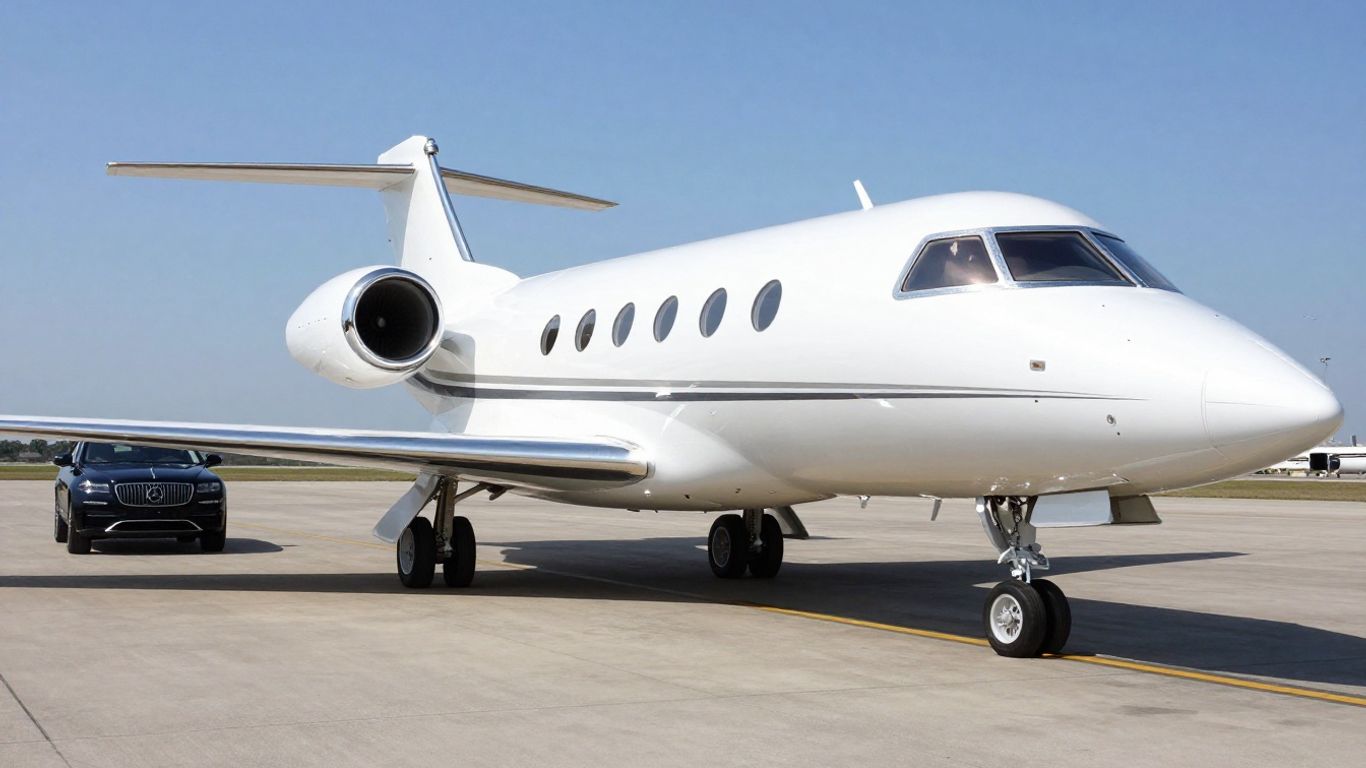
Thinking about private jet travel in 2026? Wheels Up has been a big name, but things change. After some big shifts, including a corporate restructuring, it’s smart to wonder if their membership is still the best bet. This wheels up review dives into what you really get, how much it costs, and if it stacks up against other options. We’ll break down the membership model, look at the fleet, and talk about safety, so you can figure out if Wheels Up fits your travel needs.
Key Takeaways
- The Wheels Up membership model has evolved, moving from its original simple proposition to more complex tiers, especially after corporate restructuring.
- Projected costs for 2026 memberships suggest significant initiation and annual fees, with hourly rates and potential surcharges needing careful review.
- Fleet access under Wheels Up can vary, with potential restrictions for new members and different aircraft categories influencing booking windows and availability.
- Safety protocols and operational reliability are critical considerations, particularly following recent company changes and acquisitions.
- When comparing options, on-demand charter services and jet card programs offer different benefits regarding cost-effectiveness, flexibility, and upfront investment compared to a Wheels Up membership.
Understanding Wheels Up Aviation Membership Tiers
When Wheels Up first came onto the scene, it felt like a breath of fresh air for private flying. The whole idea was to make it simpler and more accessible, kind of like a club for people who wanted to fly private without all the usual headaches. They started with a pretty straightforward membership that gave you access to a specific fleet and set prices per hour. It was a neat way to get into private aviation without needing to buy your own jet or deal with the complexities of traditional chartering.
The Original Value Proposition of Wheels Up
Back in the day, Wheels Up really focused on making private travel feel less intimidating. Their initial membership model was built around a shared fleet, primarily the Beech King Air 350i. This meant members knew what to expect: a consistent aircraft type and predictable hourly rates. It was a subscription-like approach that aimed to remove a lot of the guesswork and administrative burden typically associated with booking private flights. This clear, simple promise was a big part of why people were drawn to them.
Evolution of Membership Tiers Over Time
Things haven’t stayed the same, though. Over the years, Wheels Up has changed its membership structure quite a bit. They’ve introduced different levels, like the Connect, Core, and Business memberships, each with its own price tag and set of perks. They’ve also brought in programs that link up with airline loyalty points, such as Delta SkyMiles. This growth means more choices for members, but it also makes figuring out the best fit a bit more complicated. The company has also grown its fleet significantly, moving beyond just the King Airs to include a wider variety of aircraft.
Current Membership Structures and Costs
Today, the membership landscape at Wheels Up is more layered. While exact figures can change, here’s a general idea of what you might encounter in 2026:
- Connect Membership: Often the entry point, this tier typically has a lower initiation fee and might come with certain booking limitations or windows. It’s a way to get a taste of the service.
- Core Membership: This is a more substantial tier. It usually requires a larger upfront deposit and offers more favorable hourly rates. There can be different deposit levels within Core that affect your booking flexibility and waiting periods.
- Business Membership: Aimed at companies, this option allows for multiple authorized users and often includes dedicated support. It generally has a higher cost structure.
Beyond the flight access, members often get a bundle of lifestyle benefits, sometimes valued quite high. These can include things like top-tier car rental status, access to private airport lounges, and invitations to exclusive events. It’s a package designed to add value beyond just the flight itself.
Here’s a look at estimated costs and what you might get:
| Membership Tier | Estimated Initiation Fee | Estimated Annual Dues | Key Benefits Beyond Flight Access |
|---|---|---|---|
| Connect | $2,995 – $5,000 | Varies | Lifestyle perks, potential discounts |
| Core | $19,500 – $25,000 | ~$15,000 | Significant lifestyle package (>$35k value), priority booking |
| Business | $29,500 (Year 1) / $14,500 (Annual) | N/A | Multiple users, dedicated support |
Keep in mind that hourly flight rates vary by aircraft type and don’t always include extra charges like fuel surcharges. Also, depending on your deposit amount for Core membership, there might be waiting periods before you can fly, especially for new members. It’s a lot to sort through, and talking directly with Wheels Up for the most current details is always the best move.
The private aviation industry can be pretty opaque, and understanding the details of membership programs, like deposit amounts, hourly rates, and booking rules, can feel overwhelming. It’s a lot to take in, especially when you’re just trying to book a flight.
Comparing Wheels Up Aviation to Other Private Jet Options
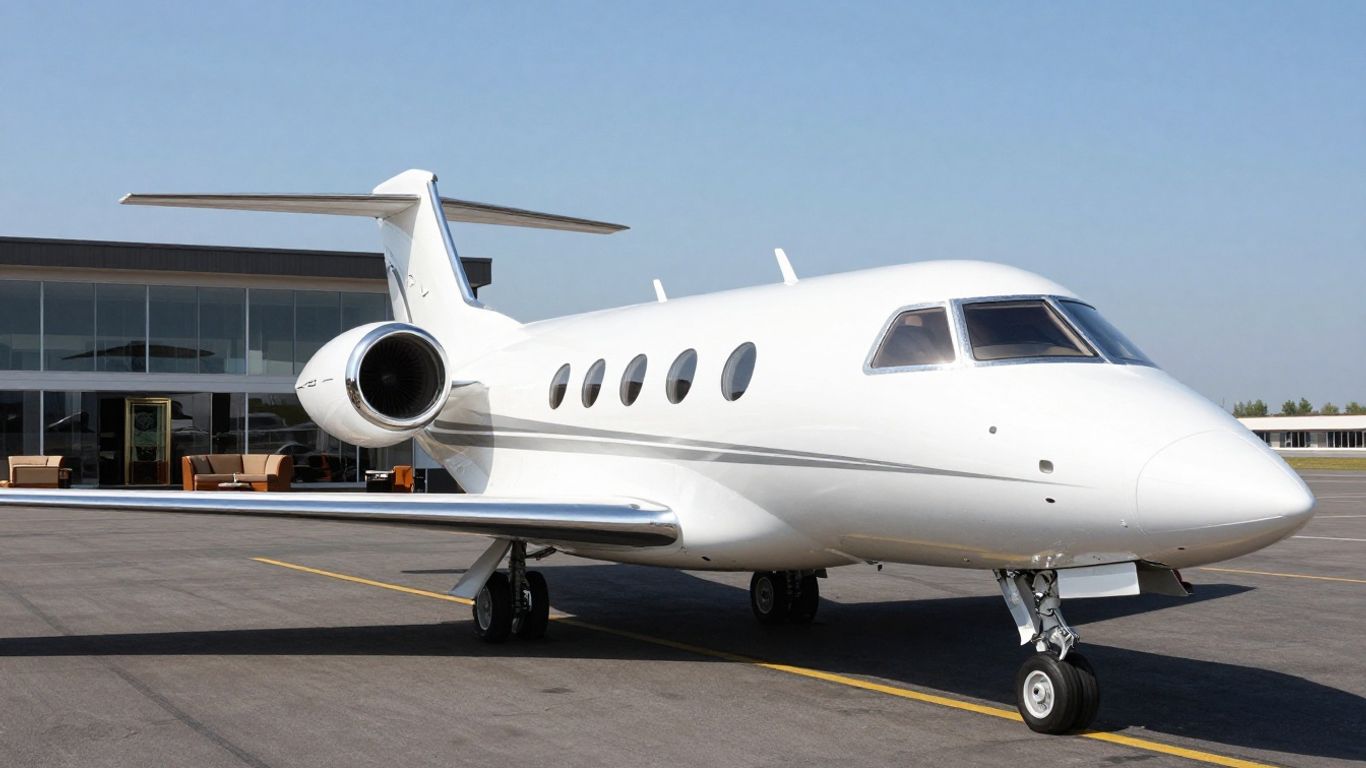
When you’re looking at private aviation, it’s not a one-size-fits-all situation. Wheels Up has its own way of doing things, but it’s helpful to see how it stacks up against other choices out there. Think of it like picking a car – you’ve got different brands and models, each with its own pros and cons.
Wheels Up vs. Bespoke Charter Services
Bespoke charter services are like hiring a personal travel agent for your flights. You don’t pay a membership fee upfront. Instead, you call them up, tell them where you want to go, and they find a plane for you. This is great if your travel plans change a lot or if you don’t fly often enough to justify a membership. They tap into a huge network of aircraft, so you can often find exactly what you need, even for unusual trips or international travel. It’s a pay-as-you-go model, which can be simpler if you’re not flying regularly. However, you might not always get the same level of service or priority as a member of a program like Wheels Up.
Wheels Up vs. Fractional Ownership with NetJets
This is where things get really different. Fractional ownership, with companies like NetJets, is more like buying a piece of an aircraft. You make a big upfront investment, often hundreds of thousands of dollars, and then you own a share. This usually means you fly more hours per year, often 50 or more, and you get guaranteed access, even on busy holidays. It’s a commitment, usually for five years, and you’re essentially buying an asset, even though it depreciates over time. Wheels Up, on the other hand, is more of a subscription. You pay a membership fee and then pay for flight time, but you don’t own anything. It’s generally for people who fly less, maybe under 25 hours a year, and want lower upfront costs. The biggest difference boils down to ownership versus access.
Here’s a quick look at how they compare:
| Feature | Wheels Up (Individual) | NetJets (Light Jet Share) | Bespoke Charter |
|---|---|---|---|
| Entry Cost | $8,500 annual + deposit | ~$850,000+ | None |
| Annual Cost (50 hrs) | ~$150k – $250k | ~$1,000,000+ | Varies greatly |
| Ownership | No | Yes (depreciating asset) | No |
| Booking Notice | 8-48 hours | As little as 4 hours | Varies |
| Best For | <25 hrs/year, domestic | 50+ hrs/year, global | Flexible needs |
Jet Cards and On-Demand Charters as Alternatives
Beyond bespoke services and fractional ownership, you’ve got jet cards and on-demand charters. Jet cards are like prepaid debit cards for flying. You buy a block of hours, often with a specific aircraft type in mind, and get a fixed hourly rate. This offers some predictability without the huge upfront cost of fractional ownership. On-demand charter, as we touched on, is simply booking each flight as needed. It’s the most flexible option, but pricing can fluctuate, and availability might be an issue during peak times. For many, especially those whose travel patterns have changed, these alternatives might offer a better balance of cost and convenience than a structured membership. It’s worth noting that Wheels Up itself has seen a significant drop in flight hours, which might influence how you view their current service levels compared to the broader market [c954].
Choosing the right private aviation solution really depends on your specific travel habits, budget, and what you value most – be it guaranteed availability, flexibility, or a lower initial investment. There’s no single ‘best’ option; it’s about finding the best fit for you.
Financial Considerations for Wheels Up Aviation

Okay, so let’s get down to the nitty-gritty: the money. Flying private isn’t exactly cheap, and Wheels Up is no exception. You’ve got a few different costs to think about, not just the price tag on the membership itself. It’s a bit of a puzzle, and you really need to look at all the pieces to see if it makes sense for your wallet.
Upfront Investment and Annual Dues
When you first sign up for Wheels Up, there’s usually a pretty significant chunk of change required upfront. For a Core membership, you might be looking at an initiation fee that could land anywhere between $19,500 and $25,000. On top of that, you’ll need to pre-fund your account with a deposit, which can range from $100,000 up to $400,000 or more, depending on the membership tier and what kind of flying you plan to do. This deposit essentially covers your flight hours. After that first year, there are annual dues to keep your membership active. These could be around $15,000 a year for a Core membership. It’s a big commitment, for sure.
Hourly Rates and Capped Pricing
Once you’re a member and have your deposit sorted, you pay for flights based on hourly rates. These rates change depending on the type of aircraft you choose. For example, a smaller King Air 350i might cost around $5,395 per hour, while a larger jet could be closer to $12,995 per hour. But here’s the kicker: Wheels Up offers capped hourly rates. This means that even if a flight technically takes longer than expected due to weather or air traffic, you won’t be charged an exorbitant amount beyond a certain point. It adds a layer of predictability to your flight costs, which is a big plus when you’re budgeting. Keep in mind, though, that these hourly rates usually don’t include things like federal excise taxes or potential fuel surcharges, which can add up.
Long-Term Cost-Effectiveness Analysis
So, is it worth it in the long run? That really depends on how much you fly and what your priorities are. If you’re only taking a few private flights a year, a membership like Wheels Up might be overkill. You could probably get by with on-demand charter services for less. However, if you fly frequently, say 25-50 hours a year or more, the capped rates and the convenience of the membership start to look more appealing. It’s about balancing the upfront costs and annual fees against the potential savings and benefits you get from consistent use. You also have to factor in the lifestyle perks that come with membership, like top-tier car rental status or access to exclusive lounges, which can have their own monetary value.
The financial structure of Wheels Up is designed to offer a middle ground between full chartering and fractional ownership. It requires a substantial initial investment and ongoing fees, but aims to provide cost predictability through capped hourly rates and a bundled membership experience. Evaluating your personal or business travel needs against these costs is key to determining its long-term value.
Here’s a simplified look at potential costs:
| Membership Tier | Initiation Fee (Est.) | Annual Dues (Est.) | Minimum Deposit (Est.) |
|---|---|---|---|
| Core | $19,500 – $25,000 | ~$15,000 | $100,000 – $400,000+ |
| Business | $29,500 (1st Yr) | ~$14,500 (Yr 2+) | Varies |
And here are some estimated hourly rates for different aircraft types:
| Aircraft Category | Estimated Hourly Rate |
|---|---|
| King Air 350i | ~$5,395 |
| Light Jet | ~$6,995 |
| Midsize Jet | ~$8,295 |
| Super-Mid Jet | ~$9,295 |
| Large-Cabin Jet | ~$12,995 |
Remember, these are just estimates, and actual costs can vary. It’s always best to get the most current pricing directly from Wheels Up.
Assessing the Benefits and Drawbacks of Wheels Up
So, you’re thinking about joining Wheels Up, but what’s the real deal? Like anything, it’s got its upsides and downsides, and figuring out if it’s a good fit means looking at both sides of the coin. It’s not just about getting from point A to point B; it’s about the whole experience and whether it aligns with how you travel and what you expect.
Key Advantages of Wheels Up Membership
When Wheels Up first came onto the scene, their big selling point was making private travel feel more accessible. They offered a membership that promised a certain level of predictability and access. For folks who fly frequently and have somewhat consistent routes, this can be a real plus. You get a dedicated program, and with the Delta partnership, there’s a sense of stability that wasn’t always there before. Plus, there are often perks beyond just the flight itself, like access to events or other travel benefits. It’s like having a club membership that happens to include private jets.
- Predictable Pricing: For certain aircraft and routes, you can get capped hourly rates, which helps with budgeting.
- Fleet Access: While not always immediate, membership grants access to a network of aircraft.
- Perks and Partnerships: Benefits like Delta SkyMiles or access to exclusive events can add extra value.
- Simplified Booking (Potentially): Compared to sourcing individual charters each time, a membership can streamline the process.
Potential Limitations and Downsides
Now, let’s talk about where Wheels Up might not be the perfect fit. The membership model has gotten more complex over the years, and sometimes, what seems like a straightforward benefit can have hidden catches. For new members, there can be waiting periods before you can book, and last-minute flights might be harder to snag than you’d hope, especially during busy travel times. The upfront costs and annual fees are significant, and you really need to crunch the numbers to see if you’ll actually use the service enough to make it worthwhile. It’s not always the most flexible option if your travel plans are all over the place.
- Booking Restrictions: New members often face longer booking windows and potential limitations on peak travel days.
- Upfront Costs: Initiation fees and annual dues can be substantial, requiring a serious commitment.
- Availability Fluctuations: While they aim for access, actual availability can vary, especially for last-minute trips or specific aircraft.
- Fleet Variability: The fleet is managed through various partners, meaning the exact aircraft can change.
The private aviation landscape is always shifting. What worked for Wheels Up a few years ago might not be the same today. It’s important to look at the current structure, understand any recent changes, and compare it honestly to your own travel habits. Don’t just assume the old promises still hold true without checking the fine print.
Perks Beyond Flight Access
Wheels Up tries to sweeten the deal with more than just getting you in the air. They often bundle in other lifestyle benefits that might appeal to their members. Think about things like access to special events, discounts on hotels, or even earning miles with airline partners. For instance, the American Express Platinum Card offers a Wheels Up Connect membership benefit, which includes capped hourly pricing on certain aircraft. These extras can add up and might tip the scales for some people, especially if they’re already using or interested in these other services. It’s about creating a broader value proposition that goes beyond just the flight itself.
Is Wheels Up Aviation Right For Your Travel Needs?
Evaluating Your Flight Frequency and Patterns
So, you’re thinking about joining Wheels Up, but is it actually a good fit for how you travel? It really boils down to how often you’re in the air and what kind of trips you take. If you’re someone who flies frequently, maybe for business every week or for regular family visits across the country, a membership could make sense. You get a predictable cost structure and guaranteed access, which is nice when you can’t afford to miss a meeting or a holiday gathering. But, if your travel is more sporadic – maybe a few short trips a year, or sometimes you need to go international and other times just a quick hop to a nearby city – then a membership might be overkill. In those cases, paying for each flight as you need it through on-demand charter services might be more budget-friendly. It’s like choosing between a gym membership you use daily versus a punch card for the occasional workout.
Prioritizing Flexibility vs. Predictability
This is a big one. Wheels Up offers a certain level of predictability. You know, more or less, what you’re going to pay per hour, and there are set rules for booking. This can be really comforting if you like to plan ahead and want to avoid surprises. However, this predictability can sometimes come at the cost of flexibility. For instance, booking windows can be longer than you might like, especially if you’re a newer member or traveling during busy periods. Last-minute trips might be harder to secure or more expensive. On the other hand, on-demand charter services generally offer more flexibility. You can often book a flight with less notice, and you have a wider range of aircraft and operators to choose from for each specific trip. It’s a trade-off: do you want the structure and potential cost savings of a membership, or the freedom to change plans on a dime and pick the exact plane you want for each flight?
The Role of Delta Partnership in Your Decision
Since Delta acquired Wheels Up, there’s a new layer to consider. For starters, it’s brought a degree of financial stability that was a concern for some members. This can translate to more reliable service and better operational consistency. Plus, being part of the Delta ecosystem means potential perks like earning Delta SkyMiles on your flights, which can add up if you’re a frequent Delta flyer anyway. It might also mean better integration with Delta’s other travel services. However, it’s worth asking yourself if this airline partnership aligns with your overall travel preferences. Are you looking for a service that feels more like an extension of a major airline, or do you prefer a more independent, bespoke private aviation experience? The Delta connection is a significant factor, and whether it’s a positive or a neutral point really depends on your personal travel habits and loyalty to the Delta brand.
Safety and Reliability with Wheels Up Aviation
When you’re thinking about private jet travel, safety and reliability are probably at the top of your mind. It’s not just about getting from point A to point B; it’s about doing it with peace of mind. Wheels Up puts a lot of effort into making sure their operations meet high standards, especially after some big changes in the company.
Operational Standards and Fleet Safety
Wheels Up has a pretty detailed approach to keeping things safe. They require all partner aircraft and crews to meet strict FAA rules, and often, Wheels Up’s own requirements are even tougher. This includes:
- Rigorous Crew Vetting: Pilots go through thorough background checks, including reviews of their flight hours and medical records. They also need to complete recurrent training every year and medical checks every six months.
- Aircraft Maintenance: Planes are regularly inspected and maintained. Before every flight, aircraft are cleaned and checked to avoid any issues.
- Regular Audits: Both internal teams and outside experts conduct safety audits to make sure standards are being met consistently.
The company’s commitment to safety is built into their daily operations, from the initial checks to the final pre-flight procedures.
Impact of Recent Company Changes on Service
Following its acquisition by Delta Air Lines, Wheels Up has seen improvements in its financial stability. This backing has helped stabilize operations, leading to a reduction in flight delays and cancellations compared to previous periods. They’ve also upgraded their communication systems, so members get more up-to-date information if there are any changes to their flight plans. This increased transparency is a big plus for members who need to plan their travel with confidence. It’s good to know that the company is working to make service more dependable, which is key for anyone relying on private flights. You can find more details about their current financial situation on Wheels Up’s 2026 reports.
Ensuring a Seamless Travel Experience
Making sure your trip goes smoothly involves a few key steps from Wheels Up’s side. They focus on clear communication, especially if there’s a schedule change or delay. Customer support is available 24/7 to help with any questions or issues that pop up. They also reconfirm aircraft readiness before each flight, even for last-minute bookings, to minimize surprises. While they aim for a smooth experience, it’s worth noting that availability can sometimes be tight, particularly during peak travel times. New members might also face longer booking windows initially, so planning ahead is always a good idea. Understanding the booking timelines and any specific rules tied to your membership tier is important for a predictable travel schedule.
The focus on operational reliability and clear communication aims to build trust, especially for members who depend on private aviation for critical travel needs. This attention to detail is what separates a good private flight experience from a great one.
So, Is Wheels Up Worth It?
Alright, let’s wrap this up. Deciding if Wheels Up is the right move really boils down to your personal travel habits and what you’re looking for. If you fly a lot, especially within the US, and like the idea of a structured program with some nice perks, it might still make sense, especially with Delta’s backing now. But, if your schedule is all over the place, you fly internationally often, or you just prefer not to tie up a bunch of money upfront, looking at on-demand charter services or other options could be a smarter play. The private jet world has changed, and what worked before might not be the best fit now. It’s all about finding that sweet spot between cost, convenience, and the kind of service that makes your travel smooth and stress-free.
Frequently Asked Questions
How much does a Wheels Up membership cost these days?
The cost can change, but for 2026, expect an initial fee for a basic membership to be around $19,500 to $25,000. Then, you’ll likely pay about $15,000 each year in dues. Remember, these are just guesses, so it’s best to ask Wheels Up directly for the most up-to-date prices.
What extras do I get with Wheels Up besides flights?
Wheels Up members get more than just plane rides! You can enjoy cool stuff like invites to special events, discounts on hotels and travel, bonus Delta SkyMiles, and even special deals on things like rental cars and other fancy experiences.
Are there any waiting periods or rules for new Wheels Up members?
Yes, usually if you’re a new member in the Connect or Core programs, you have to wait about 90 days after signing up before you can book a private flight. But, if you pay a bigger deposit upfront, you might be able to book sooner. You can still get access to special deals and events right away, though.
Is Wheels Up still safe and reliable after all the recent company changes?
Safety is Wheels Up’s top concern. They carefully check their planes and pilots. Since Delta is now involved, the company is more financially stable, which helps make sure their service is dependable for members.
How does Wheels Up compare to other private jet services like NetJets or on-demand charters?
Wheels Up has a membership plan with set prices and added perks. Other options, like on-demand charter services (think FlyEliteJets), offer more freedom and don’t require big upfront payments. NetJets focuses on owning a piece of a plane (fractional ownership). The best choice depends on how often you fly and what kind of service you prefer.
Is it cheaper to use a jet card or book a flight on demand instead of a Wheels Up membership?
It really depends on how much you fly. If you fly a lot and like knowing the price beforehand, a jet card or Wheels Up membership might be a good deal. But if you only fly a few times a year or need to book last minute, booking a flight directly when you need it (on-demand charter) can be more affordable because you only pay for the flights you take.