
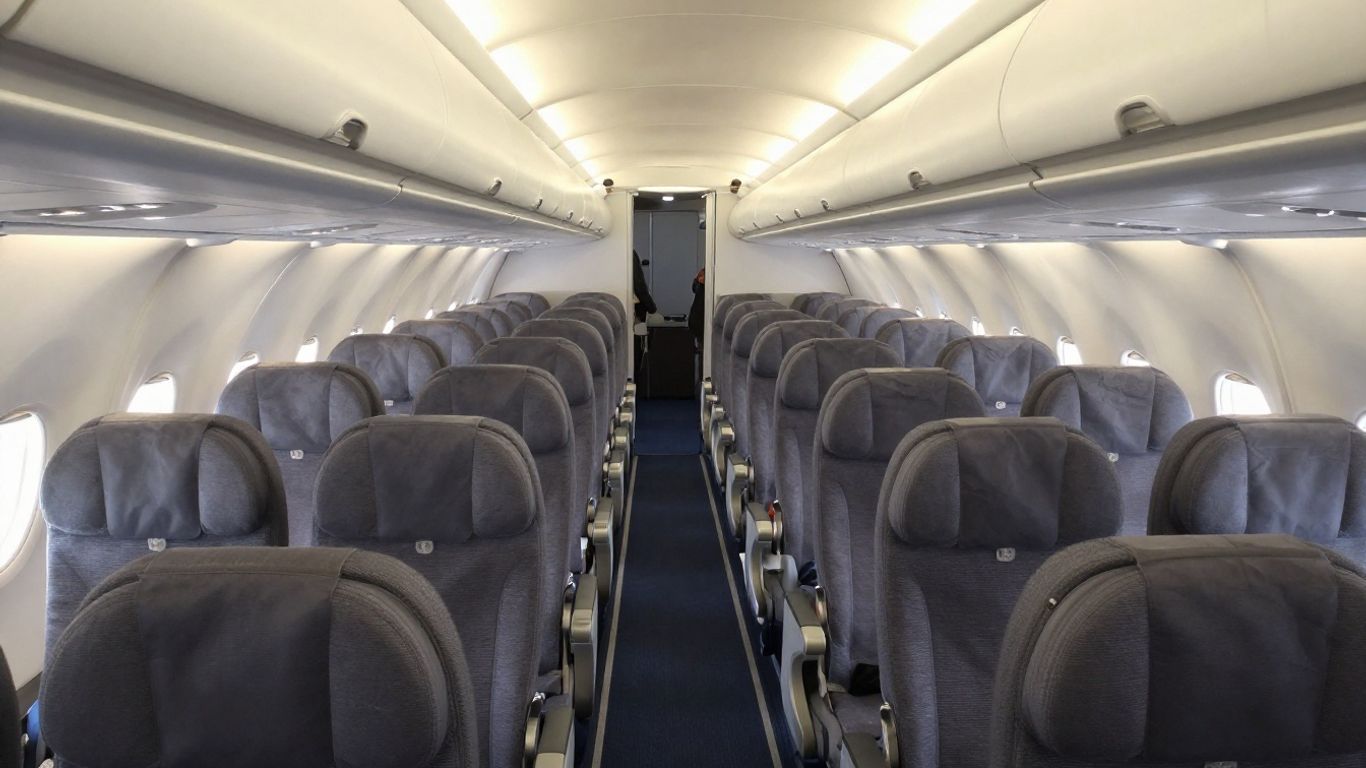
Thinking about flying JSX? It’s a bit different from your usual airline trip. They call it ‘semi-private,’ and it really feels that way sometimes. You skip the big airport crowds and head to a smaller lounge. It’s a whole different vibe. We’ll break down what you can expect with JSX seats, from how they’re arranged to what amenities you get. Let’s see if it’s the right fit for your next trip.
Key Takeaways
- JSX uses smaller Embraer jets, often with a 1-2 seat layout, though some planes have a 1-1 setup, meaning one seat on each side of the aisle.
- Seat comfort is generally good, with leather seats and decent legroom (around 35-36 inches pitch), but it’s not quite first-class luxury.
- You can expect complimentary snacks and drinks, including alcohol, and free Wi-Fi powered by Starlink on JSX flights.
- Booking options include ‘Hop On’ (cheaper, with fees for changes and seat selection) and ‘All In’ (more flexible, with included seat choices and no change fees).
- JSX offers a faster airport experience, with check-in and security being much quicker than traditional airlines, and pets can fly for a small fee.
Understanding JSX Seats And Aircraft Configuration
When you’re thinking about flying JSX, it’s good to know what kind of plane you’ll be on and how the seats are set up. It’s a bit different from your typical airline.
JSX Seat Layouts: 1-2 vs. 1-1
Most of the planes JSX uses, like the Embraer ERJ-135 and ERJ-145, are configured in a way that gives you a bit more personal space. On the majority of their flights, you’ll find a 1-2 seating arrangement. This means there’s a single seat on one side of the aisle and two seats on the other. It’s pretty common, and honestly, it feels more open than the standard 2-2 or 3-3 setups you see everywhere else. However, there’s a catch: if you’re in one of the double seats and the flight is full, you might end up sitting next to someone.
But here’s a cool detail: some of their ERJ-145 aircraft, specifically the ones based in Texas, have a different layout. These planes feature a 1-1 configuration. That means just one seat on each side of the aisle. If you get lucky enough to fly on one of these, you won’t have a seatmate at all. It’s like having your own little private space on a commercial flight.
Legroom And Seat Pitch Onboard JSX
Let’s talk about legroom. JSX generally offers about 35 to 36 inches of seat pitch. For most people, this is perfectly fine and gives you enough room to stretch out a bit. It’s not quite first-class legroom on a big airline, but it’s definitely a step up from what you might find in standard economy.
Here’s a quick look at what you can expect:
- Seat Pitch: 35-36 inches
- Configuration: Mostly 1-2, sometimes 1-1
- Overall Feel: More spacious than typical economy
Aircraft Types Used By JSX
JSX primarily operates a fleet of Embraer ERJ-135 and ERJ-145 jets. These are the same types of planes that larger airlines often use for shorter regional routes. JSX has a special FAA certification that limits them to a maximum of 30 seats on each aircraft. This is why you sometimes see a bit of extra space at the front or back of the cabin – it’s not being used for passenger seating.
The use of these smaller, efficient jets, combined with JSX’s unique operational model, allows them to offer a service that bridges the gap between traditional airlines and private charter flights. It’s all about making air travel feel a bit more personal and less of a hassle.
So, when you book a JSX flight, you’re likely getting on one of these reliable Embraer jets, which are known for their comfort and suitability for shorter trips.
The JSX Seating Experience: Comfort And Amenities
Seat Comfort And Materials
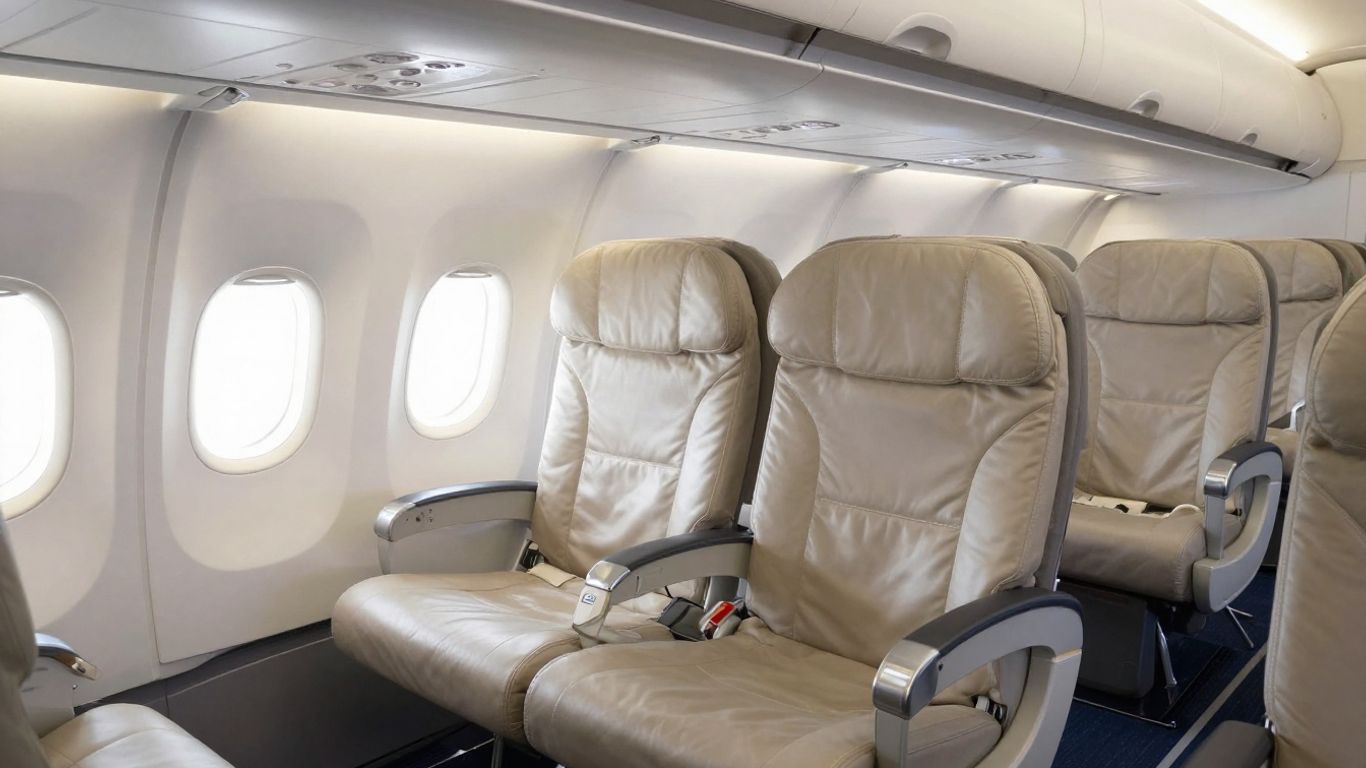
When you step onto a JSX plane, the first thing you’ll probably notice is the seating. They’ve gone with a pretty comfortable setup, using nice leather seats. On some of their planes, you’ll find a 1-1 configuration, meaning each seat is solo, giving you a bit more personal space. Other planes have a 2-2 layout, but even then, it feels more open than a typical airline. The seats themselves are well-padded, and most folks find them quite pleasant for the duration of the flight. You’re not going to feel crammed in like you might on a standard domestic flight.
In-Seat Power And Connectivity
Keeping your devices charged up is usually not an issue with JSX. Most seats come equipped with power outlets, so you can plug in your laptop or phone and keep it topped up. They also offer free Wi-Fi, which is a nice perk. While it might not be the fastest internet you’ve ever used, it’s generally good enough for checking emails or browsing the web. It’s definitely a step up from having to pay for Wi-Fi on other airlines.
Cabin Ambiance And Temperature
JSX aims for a more relaxed atmosphere. The cabins are usually kept at a comfortable temperature, not too hot and not too cold. Because the planes are smaller and carry fewer passengers, the cabin tends to feel a bit more controlled. You won’t have hundreds of people contributing to a stuffy environment. It’s a noticeable difference from the larger, more crowded commercial jets. The lighting is also set to be easy on the eyes, contributing to a generally calm feel throughout the flight.
Booking Your JSX Seat: Fares And Assignments
So, you’re thinking about flying JSX? That’s cool. When it comes to booking, they’ve got a couple of main ways to go about it, and understanding the difference can save you some cash or give you more breathing room, depending on what you need.
JSX Fare Types: Hop On vs. All In
JSX offers two primary fare types: ‘Hop On’ and ‘All In’. Think of ‘Hop On’ as the basic ticket. It’s usually the cheaper option upfront, but it comes with a few more rules and potential fees if your plans change. ‘All In’ is the pricier ticket, but it bundles in a lot more flexibility. Choosing the right fare type really depends on how likely you are to change your flight plans.
Here’s a quick breakdown:
- Hop On Fare: This is your go-to if you’re pretty sure your travel dates are set in stone. It’s budget-friendly but watch out for change fees, cancellation fees, and seat assignment costs.
- All In Fare: If you like having options and want to avoid extra charges for adjustments, this is the way to go. It includes free changes, cancellations, and seat selections.
| Feature | Hop On Fare | All In Fare |
|---|---|---|
| Price | Lower | Higher |
| Change/Cancel Fees | Yes ($50 fee) | No |
| Seat Assignment Fee | Yes ($10-$30) | No (Free) |
| Checked Bags | 2 (up to 50 lbs) | 3 (up to 50 lbs) |
Seat Assignment Fees
If you’re flying on a ‘Hop On’ fare, you’ll likely want to pick your seat ahead of time. You can do this for a fee, which usually ranges from $10 to $30. It’s not a huge amount, but it’s something to factor in. If you’re on an ‘All In’ fare, this is already covered, so you can pick your preferred spot without any extra cost. It’s a nice little perk that adds to the overall value of the more expensive ticket, especially if you have a specific seat preference, like a window or aisle. You can check out the JSX seat map to get an idea of what’s available.
Flexibility With Hop On Fares
While the ‘Hop On’ fare is designed to be economical, it’s important to know its limitations. If you need to change or cancel your flight, there’s a $50 fee. You also have to make these changes at least an hour before your scheduled departure. If you miss that window, you could lose the entire fare. It’s not the end of the world, but it means you really need to be sure about your travel plans when you book this type of ticket. For those who need more wiggle room, the ‘All In’ fare is definitely worth considering, even with its higher initial cost.
Booking with JSX is pretty straightforward, but paying attention to the fare type you select is key. The ‘Hop On’ fare is great for budget-conscious travelers with firm plans, while the ‘All In’ fare offers peace of mind and flexibility for those whose schedules might shift. Always double-check the details before you click ‘book’ to make sure you’re getting the best deal for your needs.
Navigating The JSX Terminal And Boarding Process
Forget the usual airport chaos. Flying JSX means a different kind of airport experience, one that’s designed to be way less stressful. You’ll be using dedicated private terminals, which are more like swanky lounges than busy public spaces. This is where the time-saving really kicks in.
JSX Terminal Experience
When you arrive at a JSX terminal, it feels more like walking into a private club. There are comfortable seating areas, usually with complimentary Wi-Fi and refreshments like coffee and water. You won’t find the long lines or the overwhelming crowds you’d expect at a big commercial airport. It’s all about a relaxed atmosphere before you even get on the plane.
- Check-in: It’s super quick, often taking just a few minutes. Staff are right there to help you.
- Lounge: Relax in a comfortable space with amenities like Wi-Fi and drinks.
- Atmosphere: Expect a calm and quiet environment, a stark contrast to typical airport terminals.
The whole point of these private terminals is to cut down on the usual airport hassle. You can show up much closer to your departure time, which is a huge plus if you’re always running a bit late or just don’t want to spend hours waiting around.
Check-In And Security Procedures
This is where JSX really shines in terms of speed. You typically only need to arrive about 20 minutes before your flight. The check-in process is straightforward: a quick chat with an agent, they’ll scan your ID, and you’ll get your boarding pass. Security is also simplified. Instead of full TSA pat-downs and extensive baggage checks, JSX staff usually perform a quick screening, often involving a quick swab of your belongings and a question about prohibited items. It’s designed to be efficient without compromising safety.
Boarding The Aircraft
Boarding with JSX is usually a breeze. Once you’re checked in and through the quick security check, you’ll often be escorted to your aircraft. Sometimes, this involves a short walk across the tarmac, or you might even get a ride on a small bus directly to the plane. It feels a bit like being on a private charter. The aircraft is usually just a short distance from the lounge, making the transition from relaxing to flying very quick. You’ll walk right up to the plane and board through the main door.
- Proximity: The plane is typically parked very close to the terminal.
- Direct Access: Boarding is usually a simple walk onto the aircraft.
- Efficiency: The whole process, from lounge to seat, is designed to take minimal time.
JSX Perks: Beyond The Seat
Complimentary Snacks And Beverages
While JSX isn’t serving up multi-course meals, they do offer a selection of complimentary snacks and beverages. Think along the lines of packaged snacks – maybe some pretzels, cookies, or similar items – and a choice of soft drinks, water, or juice. It’s a step up from the tiny bag of peanuts you might get on a traditional airline, and it’s all included, so no need to dig for your wallet mid-flight. It’s a nice touch that adds to the overall relaxed feel of the journey.
Pet Travel Policy On JSX
This is where JSX really shines for pet owners. JSX is one of the few airlines in the US that allows pets to fly in the cabin for free. That’s right, no extra charge for your furry friend to join you. There are a few rules, of course. Your pet needs to stay on the floor, but smaller pets can relax on your lap. It makes traveling with your companion so much easier and less stressful, both for you and your pet.
Baggage Allowance With JSX Seats
When it comes to baggage, JSX keeps things pretty straightforward. You’re generally allowed one carry-on bag and one personal item, like a small backpack or purse. For checked luggage, it’s usually one checked bag included with your ticket. If you need to bring more, there might be additional fees, so it’s always a good idea to check their specific policy before you fly, especially if you’re packing for a longer trip. They aim to make it simple, but knowing the limits beforehand saves any last-minute surprises.
The whole point of JSX is to cut down on the usual airport hassle. This extends to the perks, too. They want you to feel like you’re getting a bit of a premium experience without all the fuss and extra costs you’d find elsewhere. It’s about making the journey itself more pleasant, not just the destination.
Comparing JSX Seats To Traditional Airlines
JSX vs. Economy Class
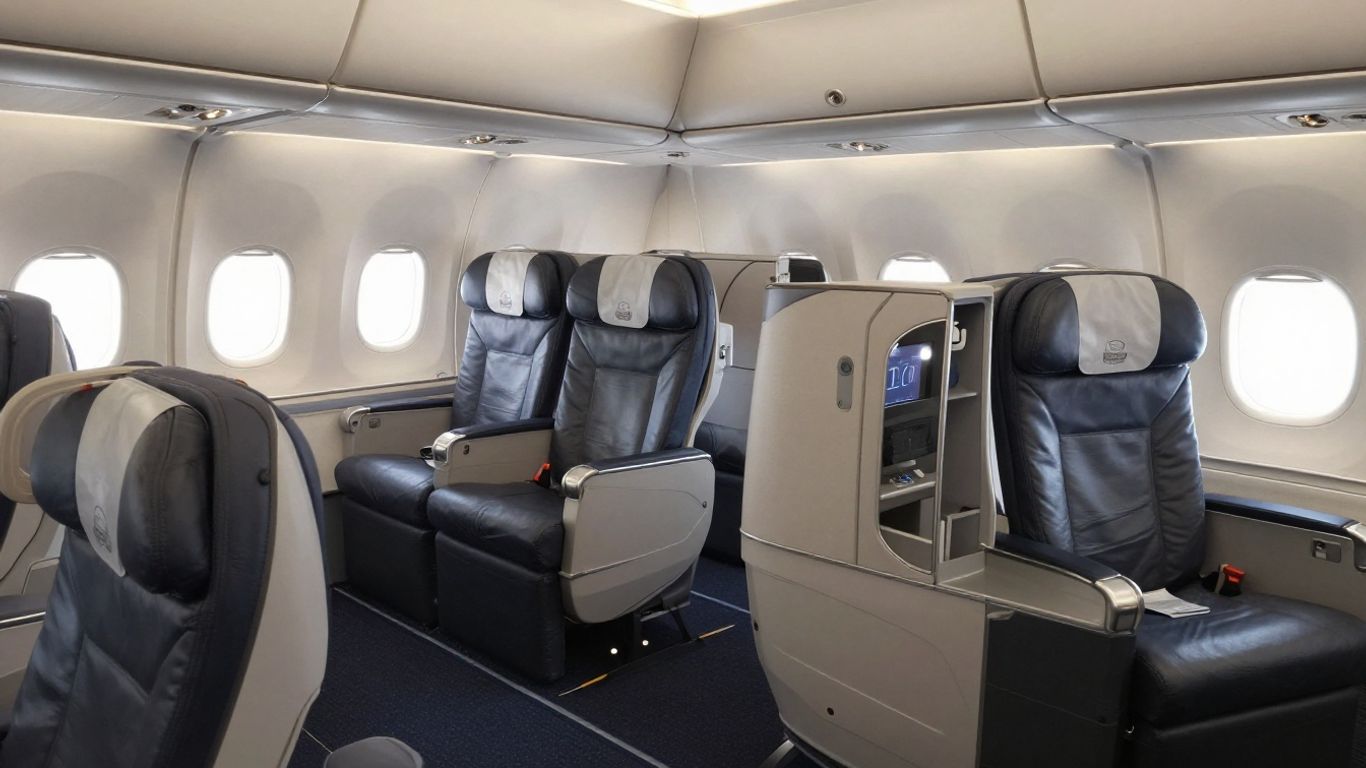
When you’re looking at JSX versus the usual economy seats on big airlines, there’s a pretty big difference, and not just in price sometimes. Think about it: with JSX, you’re often skipping the main airport chaos altogether. You pull up to a private terminal, check in super fast, and can usually get to your gate in about 20 minutes before takeoff. That’s a world away from the long lines and crowded terminals you deal with on most flights. The seats themselves are also a step up. They’re generally roomier than standard economy, and the cabin feels less cramped because there are fewer seats overall. Plus, you get perks like better snacks and drinks, which you definitely don’t always get in the back of a big plane.
JSX vs. Business Class
Comparing JSX to traditional business class is where things get interesting. On some routes, JSX can actually be cheaper than a business class ticket on a major airline, which is pretty wild. You get a more private feel and a more comfortable seat with JSX, often with more legroom than you’d find in domestic first or business class. However, traditional business class usually comes with more amenities like full meals, lie-flat seats on longer flights, and a dedicated cabin crew. JSX is more like a "best of both worlds" situation – it gives you a taste of that private jet luxury without the private jet price tag, but it doesn’t quite match the full-service experience of a premium cabin on a legacy carrier.
Value Proposition Of JSX Seats
So, is flying JSX worth it? It really depends on what you’re looking for. If you hate the airport grind and want a more comfortable, quicker travel experience, JSX offers a lot of value. You’re paying for convenience and a better onboard atmosphere. It’s especially appealing for shorter hops where the time saved at the airport and the more pleasant flight make a big difference. For those who prioritize speed and comfort over, say, a full meal service or a lie-flat seat, JSX hits a sweet spot. It’s a solid option when the price is comparable to or only slightly more than a standard economy ticket, offering a noticeable upgrade in your overall travel day.
The biggest draw for JSX is the simplified airport process. You can often arrive just 20 minutes before your flight and be onboard without the usual hassle. This alone can save a significant amount of time and stress, making it a compelling choice for many travelers.
So, Is JSX Worth It?
Overall, flying JSX seems like a pretty good deal if you’re looking for a more relaxed travel experience without the huge price tag of a private jet. You skip the big airport crowds and security lines, which is a major win. The seats are comfy, and the free snacks and drinks are a nice touch. Sure, the lounges aren’t exactly five-star hotels, and sometimes the ground experience can be a little clunky, like missing a standby flight. But for the price, it’s a solid option that gets you where you need to go with less hassle. If you can find a route that works for you, it’s definitely worth considering for your next trip.
Frequently Asked Questions
What makes JSX flights different from regular airline flights?
JSX flights feel more like a private jet experience. You fly on smaller planes with fewer seats, use separate, smaller terminals instead of big airport buildings, and can often show up just 20 minutes before your flight. It’s all about saving time and avoiding the usual airport chaos.
What are the seat arrangements like on JSX planes?
Most JSX planes have a 1-2 seat layout, meaning one seat on one side of the aisle and two on the other. However, some of their planes flying in Texas have a 1-1 layout, giving everyone an aisle seat and no neighbor.
How much legroom can I expect on a JSX flight?
You’ll generally find about 35 to 36 inches of legroom, which is pretty good. It’s enough for most people to stretch out comfortably, though it might not be as much as you’d get in first class on a big airline.
Are there extra costs for things like choosing a seat or bringing luggage on JSX?
It depends on the ticket you buy. The ‘Hop On’ fare is cheaper but you pay extra to pick your seat. The ‘All In’ fare costs more but includes free seat selection and more checked bags. Both fares usually let you bring two checked bags for free.
Can I bring my pet on a JSX flight?
Yes! JSX is known for being pet-friendly. Small dogs and cats can fly with you for a fee, and they can even sit on your lap if they fit. It’s a lot easier than on many other airlines.
What kind of snacks and drinks does JSX offer?
JSX provides complimentary snacks and drinks, including alcoholic beverages like wine and spirits. While they might not be gourmet meals, they’re a nice touch that adds to the overall pleasant experience.