
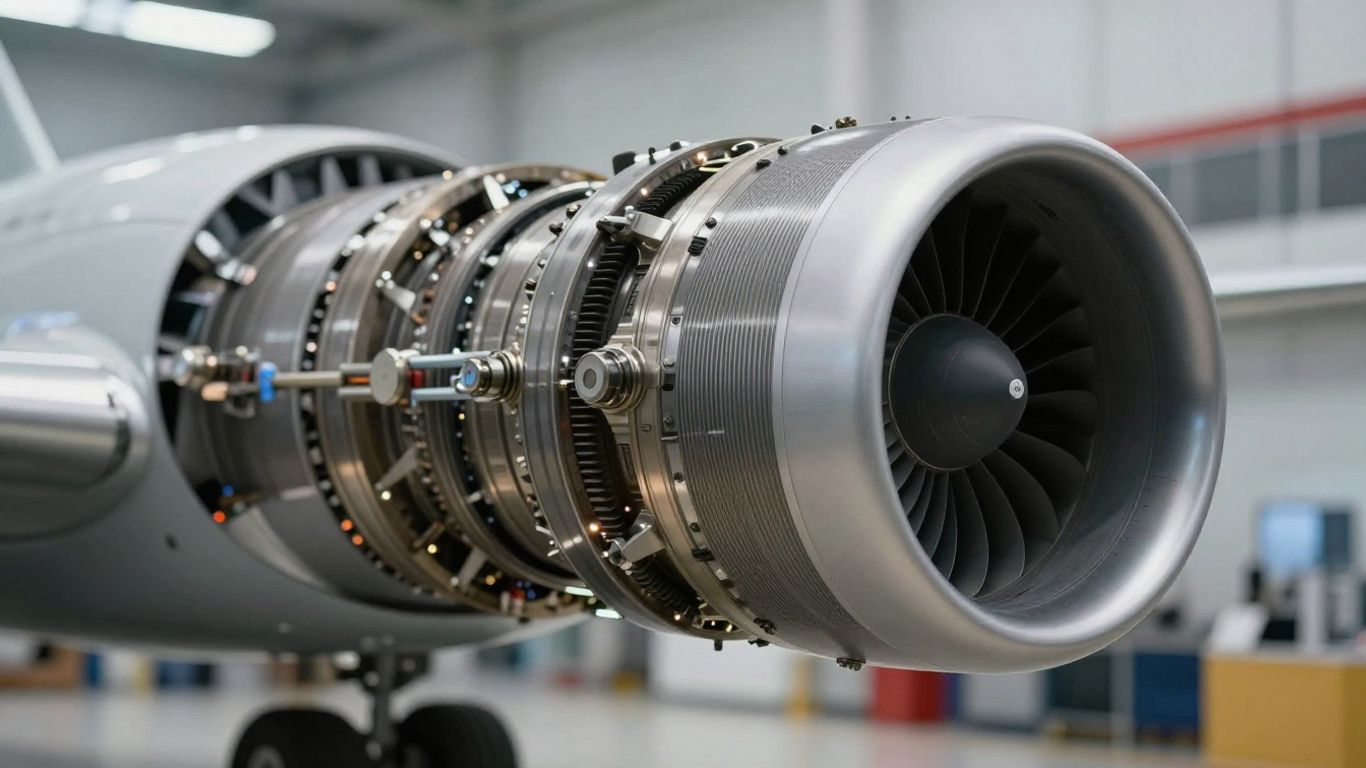
General Electric Aircraft Engines, or GE Aerospace as it’s known now, has a pretty interesting history. It wasn’t always about planes, you know. The company started way back with electricity and industrial stuff. But over time, they got into aviation, and wow, did they make a mark. From early superchargers to the massive engines on today’s airliners, it’s quite a journey. We’ll take a look at how they got here and what’s next for these powerful machines.
Key Takeaways
- GE’s aviation roots go back to developing turbo-superchargers for military planes during World War I, a natural step from their industrial engineering background.
- The company produced the first American-made jet engine, the I-A, in the 1940s, and later the widely used J-47 engine, which powered many early jet aircraft.
- GE entered the commercial jet market in the 1960s with the CF6 engine, solidifying its place in commercial aviation, and now partners with Safran on CFM International, a major engine supplier.
- Modern advancements include new commercial engines like the GEnx and GE9X, sophisticated military propulsion systems, and the use of digital flight data for better engine performance and maintenance.
- GE Aerospace is investing heavily in manufacturing, especially with additive manufacturing (3D printing), and is developing groundbreaking engines like the GE9X, the largest jet engine in the world.
From Electrical Power To Aviation Pioneer
It might seem a bit strange now, thinking of GE as anything but an aviation giant. But the company actually started way back in 1892, focusing on things like light bulbs and power generators. Aviation wasn’t even on the radar. It took a while, and some serious engineering smarts, for GE to even consider getting into planes.
Early Forays Into Aviation Technology
GE’s first real step into the world of flight wasn’t with roaring jet engines, but with something much smaller: turbo-superchargers. This was back in the World War I era. Military planes at the time used piston engines, and they really struggled to perform well at high altitudes where the air is thin. The U.S. military needed a fix, and they turned to GE’s engineers. These folks were already pros at dealing with high temperatures and complex machinery. They managed to develop a turbo-supercharger that could boost a Liberty engine, giving it back its power even way up in the sky. It was a clever solution that showed GE could adapt its industrial know-how to a whole new field.
Leveraging Industrial Engineering Expertise
So, how did a company that made dynamos and turbines end up building jet engines? It turns out a lot of their existing skills were a perfect fit. GE was already a master of heavy industrial engineering. Think about it: they knew how to work with steam turbines, handle high-temperature metals, do precise machining, and build big, complex things. All of that knowledge was directly useful when it came to designing and manufacturing aircraft parts. It was a natural progression, really, taking what they knew about power and precision and applying it to the challenges of flight.
The Dawn Of The Jet Age In America
When the jet age started to dawn, GE was in a good position to jump in. They had the engineering foundation and the manufacturing muscle. The development of the first American jet engine was a huge step, marking GE’s serious entry into this new frontier. It wasn’t just about building engines; it was about pioneering a whole new technology for the country. This move set the stage for GE to become a major player in aviation for decades to come, shifting its identity from an electrical company to a true aerospace innovator.
Milestones In Jet Engine Development
GE’s journey into aviation is a story of rapid innovation, especially when it comes to jet engines. It all really kicked off during World War II. The U.S. Army needed an American-made jet engine, and GE stepped up, building the first one in the States based on British designs. This was the I-A engine, and it powered America’s first military jet aircraft, the Bell P-59 Airacomet.
The First American Jet Engine
Back in 1941, GE got the ball rolling by building America’s very first jet engine, the I-A. It wasn’t long after, in 1942, that this engine was put to work powering the Bell P-59 Airacomet, which was the first jet aircraft for the U.S. military. This was a huge step, setting the stage for everything that came after.
The Ubiquitous J-47 Engine
Then came the J47 engine in 1949. This thing was a workhorse. It became the most produced jet engine of its time, with tens of thousands rolling off the assembly lines. It powered some really famous planes, like the F-86 Sabre. The J47 was so important that it helped GE really grow its aviation business, leading to new factories and a lot more people working on jet technology.
Here’s a look at some key early GE jet engines:
| Engine | Year Introduced | Notable Aircraft Powered |
|---|---|---|
| I-A | 1941 | Bell P-59 Airacomet |
| J47 | 1949 | F-86 Sabre, B-47 Stratojet |
| J79 | 1950s | F-4 Phantom II, F-104 Starfighter |
Pioneering The Commercial Jet Market
GE didn’t just stick to military planes. They made their move into the commercial market in the 1960s. The CF6 engine was a big deal; it first flew on the DC-10 in 1971. This engine was a success and ended up powering a bunch of different airliners, cementing GE’s place as a major player in commercial aviation. Later, the CFM56, a joint venture with Safran, became a huge hit, especially powering the Boeing 737 and dominating short-haul routes.
The development of early jet engines wasn’t just about raw power; it involved solving complex engineering problems related to airflow, heat, and materials. GE’s ability to adapt and improve designs, like adding variable stator vanes to the J79 engine, was key to achieving higher speeds and better performance.
GE also made waves in helicopter propulsion. The T58 turboshaft engine, developed in the 1950s, was a game-changer. It was the first turbine engine approved by the FAA for civilian helicopters and powered the first U.S. turbine-powered helicopter flight. This engine family became incredibly popular for both military and civilian use.
Strategic Partnerships And Market Dominance
The Success Of CFM International
GE didn’t build its empire alone. A huge part of its success in the commercial jet engine world comes from CFM International. This is a joint venture with France’s Safran Aircraft Engines. Think of it as a super-team-up. They’ve been making engines together for a long time, and their engines are on a ton of planes you see flying around every day. The LEAP engine family, for example, is a big deal for newer planes like the Airbus A320neo and the Boeing 737 MAX. It’s a partnership that’s really paid off, making them a major player.
Collaborations For New Engine Families
Beyond CFM, GE has worked with other companies too. These collaborations help spread the risk and bring different ideas to the table. Sometimes it’s about developing engines for specific military needs or for new types of aircraft. These partnerships are key to staying ahead. They allow GE to tap into specialized knowledge or manufacturing capabilities that they might not have in-house. It’s a smart way to tackle big projects.
GE Aerospace’s Market Share
When you look at the numbers, GE Aerospace is a giant in the engine business. They hold a significant chunk of the market, especially for commercial airliners and military aircraft. While exact percentages can shift, GE consistently ranks among the top engine manufacturers globally.
| Engine Type | Approximate Market Share |
|---|---|
| Commercial Turbofan | ~30-40% |
| Military Jet Engine | ~20-30% |
This strong position isn’t just about making good engines; it’s also about the relationships they’ve built and their ability to keep innovating. They’ve managed to stay competitive even with other big players out there.
Building and maintaining a strong market position in the aerospace industry requires more than just technical skill. It involves smart business decisions, like forming alliances and understanding what customers truly need. GE’s history shows a pattern of strategic moves that have helped them stay at the top for decades.
Innovations In Modern General Electric Aircraft Engines
GE Aerospace isn’t just resting on its historical laurels; the company is actively pushing the envelope with new engine designs and technologies. They’re developing engines that are not only more powerful but also significantly more fuel-efficient, which is a big deal for airlines trying to keep costs down and for the environment.
Next-Generation Commercial Engines
GE has a whole lineup of new engines for commercial planes. You’ve got the GEnx and the GE9X families, which are pretty impressive. Then there’s the CFM LEAP engine, a collaboration that’s become super common on many newer aircraft. They also have engines for business jets like the Passport and turboprops like the Catalyst. It’s a wide range, showing they’re trying to cover a lot of different needs in the market.
Advancements In Military Propulsion
On the military side, GE is working on some really advanced stuff. They’re developing engines like the T901 and the T408, which are designed to give future military aircraft a serious performance boost. There’s also talk about adaptive cycle engines, which can change their performance characteristics on the fly to suit different flight conditions. This kind of tech could really change how military planes operate.
The Role Of Digital Flight Data
One of the more interesting developments is how GE is using digital flight data. Every flight generates a ton of information about how the engines are performing. GE is getting better at analyzing this data in real-time.
By looking closely at the streams of data coming from engines in service, GE can get a much clearer picture of how they’re doing. This helps them spot potential issues before they become big problems and figure out how to make the engines even better for the next generation.
This approach helps them keep engines running smoothly and reliably, which is obviously important when you’re thousands of feet in the air. It’s all about using information to improve performance and keep planes flying safely.
Manufacturing Renaissance And Future Technologies
Expanding Manufacturing Capabilities
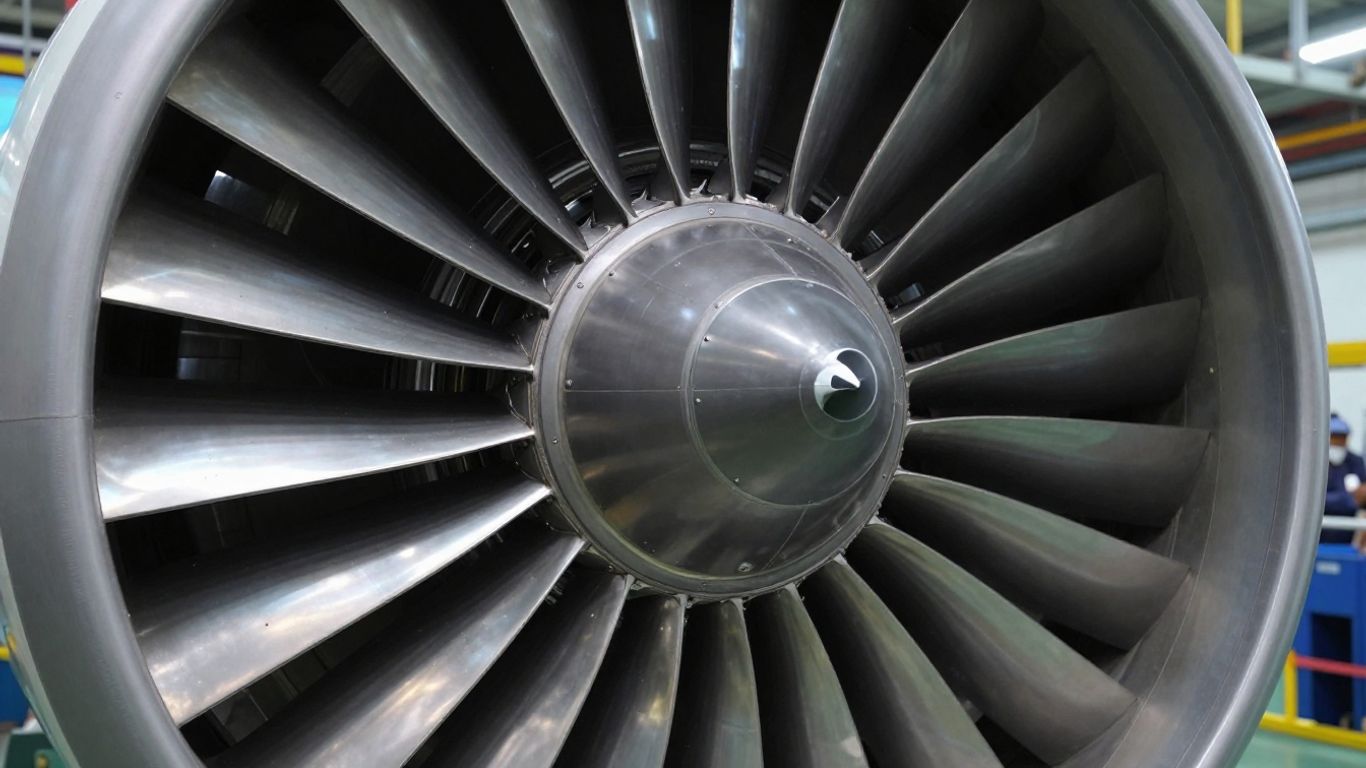
GE Aerospace really had to step up its game in manufacturing as the 2010s rolled around. There was a huge backlog of commercial engines to build, and they were also bringing in all sorts of new tech, like advanced materials. By 2014, GE and its partners were looking at over 15,000 commercial engines waiting to be made. Fast forward to 2020, and that number was getting close to 40,000. To handle this, GE put a massive amount of money into its factories, both in the US and overseas. They opened new places and made existing ones bigger. Think new plants for making fuel nozzles using 3D printing, assembly lines for whole engines, and special labs for working with ceramic composites. They even expanded their old test site in Ohio.
Additive Manufacturing Integration
One of the biggest shifts has been the move towards additive manufacturing, or 3D printing, for engine parts. GE’s facility in Auburn, Alabama, is a prime example. It’s set up to churn out thousands of fuel nozzle injectors for the LEAP engine every year using rows and rows of 3D printers. This technology allows for more complex designs that are lighter and more efficient than traditionally made parts. It’s not just about making parts faster; it’s about making them better and opening up new design possibilities that were impossible before.
The GE9X: A New Benchmark
The GE9X engine is a real game-changer, especially for the Boeing 777X. It’s currently the most powerful commercial jet engine out there. This engine is packed with new technology, including parts made from advanced ceramic matrix composites (CMCs) and components produced using additive manufacturing. These innovations help make it more fuel-efficient and quieter than previous engines. The GE9X represents a significant leap forward in engine performance and efficiency.
Building these advanced engines requires a whole new way of thinking about manufacturing. It’s about combining traditional engineering with cutting-edge digital tools and new materials. This shift is not just about keeping up with demand; it’s about setting new standards for what an aircraft engine can be.
Navigating The Evolving Aerospace Landscape
The world of aircraft engines isn’t static, and GE Aerospace, like everyone else, has to keep up. It’s a complex dance with a lot of moving parts, from making sure you have enough raw materials to keeping the engines running smoothly for decades. Plus, there are always new players trying to get a piece of the pie.
Addressing Supply Chain Challenges
Getting the parts you need, when you need them, is a big deal. Things like the availability of recycled materials can change, and that affects costs. For example, different pricing for recycled plastics in Europe means airlines might see different costs for sustainable cabin materials. It’s a constant balancing act to keep production lines moving and meet demand. This requires smart planning and strong relationships with suppliers.
- Material Sourcing: Keeping track of where materials come from and how their prices might shift.
- Logistics: Getting parts from suppliers to factories efficiently, sometimes across continents.
- Sustainability: Integrating eco-friendly materials without disrupting the supply flow.
Ensuring Engine Reliability
When an engine is out for repair, it means downtime for an airline. That’s why GE focuses on making engines that last and on having repair services that are quick and dependable. Expanding repair networks into new areas, like South America and Asia, helps cut down on how long planes are grounded. It’s all about keeping planes in the air and customers happy.
The push for more sustainable aviation is also changing how engines are designed and maintained. Lighter materials and designs that are easier to recycle are becoming more common, aiming to cut down on emissions over the engine’s life.
Competition In The Engine Market
GE Aerospace isn’t alone in this business. There are other big companies out there, and they’re all trying to innovate and grab market share. This means GE has to keep pushing forward with new engine designs and better manufacturing. They also need to think about new types of aircraft, like the ones for air taxis, which are a whole different ballgame. The industry is always looking for the next big thing, whether it’s advanced air mobility or more efficient military propulsion systems. The race to develop new technologies is constant, and staying ahead means continuous investment in research and development, much like the work being done in advanced air mobility.
- New Entrants: Companies exploring electric or hybrid-electric propulsion.
- Technological Advancements: Developing engines that are more fuel-efficient and quieter.
- Market Dynamics: Responding to shifts in commercial and military aviation demand.
Conclusion
Looking back at GE’s journey in aircraft engines, it’s kind of wild to see how far they’ve come. They started out making electrical stuff, and now they’re powering planes all over the world. From early turbo-superchargers to the massive jet engines we see today, GE has always found ways to keep moving forward. Their engines are everywhere—commercial jets, military planes, you name it. And with all the new tech like 3D printing and smarter data tracking, it feels like they’re just getting started. Sure, they’ve had some bumps along the way, but that’s pretty normal for any company that’s been around this long. As the aviation world keeps changing, GE Aerospace looks set to keep playing a big part in whatever comes next. It’s hard to say exactly what the future holds, but if history is any clue, GE will be right there, building the next generation of engines and maybe even surprising us again.
Frequently Asked Questions
How did General Electric get started in making aircraft engines?
General Electric began as a company focused on electrical equipment and power systems. During World War I, they used their engineering skills to help make turbochargers for airplanes, which helped planes fly higher. This early work in aviation technology set them on the path to making aircraft engines.
What was the first jet engine made by GE?
The first jet engine GE made was called the I-A engine. It was built in 1942 for the U.S. Army Air Forces and was based on a British design. This engine was the first working jet engine made in the United States.
Why are CFM International engines so important?
CFM International is a partnership between GE and a French company called Safran. Their engines, like the CFM56 and LEAP, are used in thousands of airplanes around the world. This partnership has made GE a leader in the commercial aircraft engine market.
How is GE making aircraft engines better today?
GE is using new technology, like 3D printing, to make engine parts lighter and stronger. They also use digital tools to collect and study flight data, which helps keep engines running safely and efficiently. Their newest engines, like the GE9X, are more powerful and use less fuel.
What challenges does GE face in making aircraft engines?
GE has to deal with problems like getting enough parts on time, making sure their engines are reliable, and competing with other companies like Rolls-Royce and Pratt & Whitney. They also need to keep up with new technology and stricter rules for safety and the environment.
What does the future look like for GE Aerospace?
GE Aerospace is working on even more advanced engines, including ones for military jets and next-generation commercial planes. They are expanding their factories and using new materials and manufacturing methods. GE wants to keep leading in the aircraft engine industry by making engines that are safer, cleaner, and more efficient.