
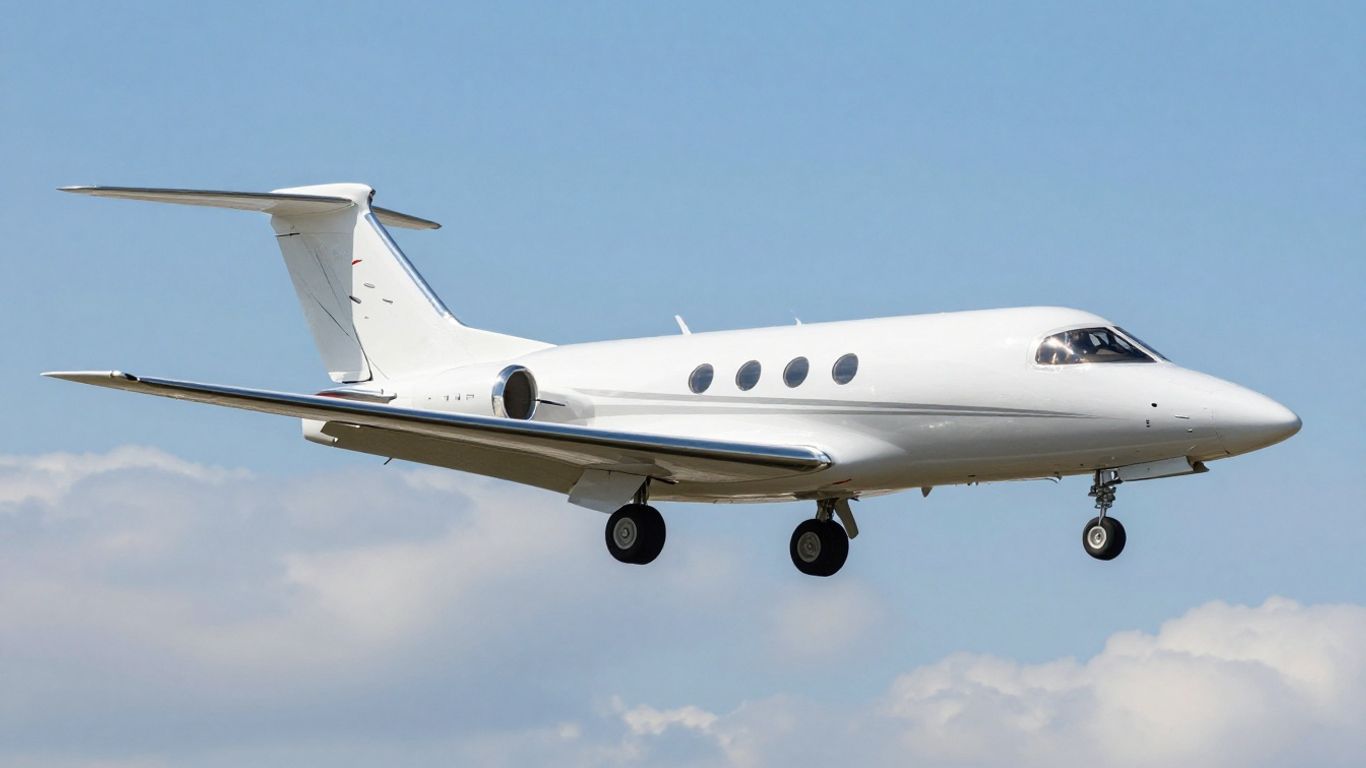
Thinking about private planes? They can seem pretty fancy, but for some trips, they actually make a lot of sense. We’re talking about the smaller ones here, the ones that can get you places faster and with way less hassle than a commercial flight. This guide is all about those very light jets. We’ll break down what they are, why you might want one, and how to figure out if they’re the right move for you.
Key Takeaways
- Very light jets (VLJs) offer a smart way to save time on shorter trips, often cutting travel time by several hours compared to commercial flights.
- These nimble aircraft can land at smaller airports, opening up more destinations that larger planes can’t reach.
- For specific travel needs, VLJs can be a more budget-friendly option than larger private jets or even first-class commercial tickets.
- When picking a VLJ, think about how many people you usually fly with and how far you typically go. This helps match you with the right model.
- You don’t always have to buy a very light jet outright; options like jet cards or chartering can give you access without the full ownership commitment.
Understanding Very Light Jets
Defining the Very Light Jet Category
So, what exactly is a Very Light Jet, or VLJ? Think of them as the nimble, efficient entry point into the world of private jet travel. They’re designed for shorter trips, typically carrying fewer passengers than their larger counterparts. The key differentiator is their size and weight, usually falling under 10,000 pounds. This category really took off in the early 2000s, aiming to make jet ownership more accessible. They’re not quite as fast as bigger jets, but they offer a significant step up in speed and comfort from propeller-driven aircraft.
Key Characteristics of VLJs
VLJs have a few defining traits that make them stand out. For starters, they’re often built with single-pilot operations in mind, which can really cut down on costs. They usually seat between 4 to 8 people, depending on how the cabin is set up. Range is typically in the 1,000 to 1,500 nautical mile ballpark, perfect for hopping between cities or regions. Think of them as the private jet equivalent of a sporty sedan – quick, agile, and great for getting around without a fuss.
Here’s a quick look at what you can generally expect:
- Passenger Capacity: 4-8 people
- Typical Range: 1,000 – 1,500 nautical miles
- Cruise Speed: Around 300-400 knots
- Operational Focus: Often single-pilot friendly
These aircraft are designed to bridge the gap between high-performance turboprops and larger light jets, offering a blend of speed, efficiency, and operational simplicity for owner-operators and small groups.
VLJs vs. Other Small Aircraft
It’s easy to get VLJs mixed up with other small planes, but there are clear differences. Compared to high-performance piston singles, VLJs are faster and can fly higher, offering a smoother ride above most weather. They also generally have a longer range. Then you have single-engine turboprops; these are often great for shorter runways and can carry a good amount of weight, but VLJs usually win on speed and altitude capability. Light jets are the next step up, offering more speed, range, and cabin space, but they also come with a higher price tag and operating costs. So, a VLJ sits in a sweet spot – faster than props, more economical than light jets, and perfect for many common travel needs.
Here’s a simple comparison:
| Aircraft Type | Typical Cruise Speed (KTAS) | Typical Range (nm) | Passenger Capacity | Primary Advantage |
|---|---|---|---|---|
| Piston Single | 150-210 | 900-1,100 | 2-4 | Cost-effectiveness, fuel efficiency |
| Single-Engine Turboprop | 260-330 | 1,700-1,800 | 6-8 | Short-field performance, versatility |
| Very Light Jet (VLJ) | 300-400 | 1,100-1,300 | 4-8 | Speed, altitude, jet experience, efficiency |
| Light Jet | 400-450 | 1,500-2,000+ | 6-10 | Higher speed, longer range, more cabin space |
Advantages of Flying Very Light Jets
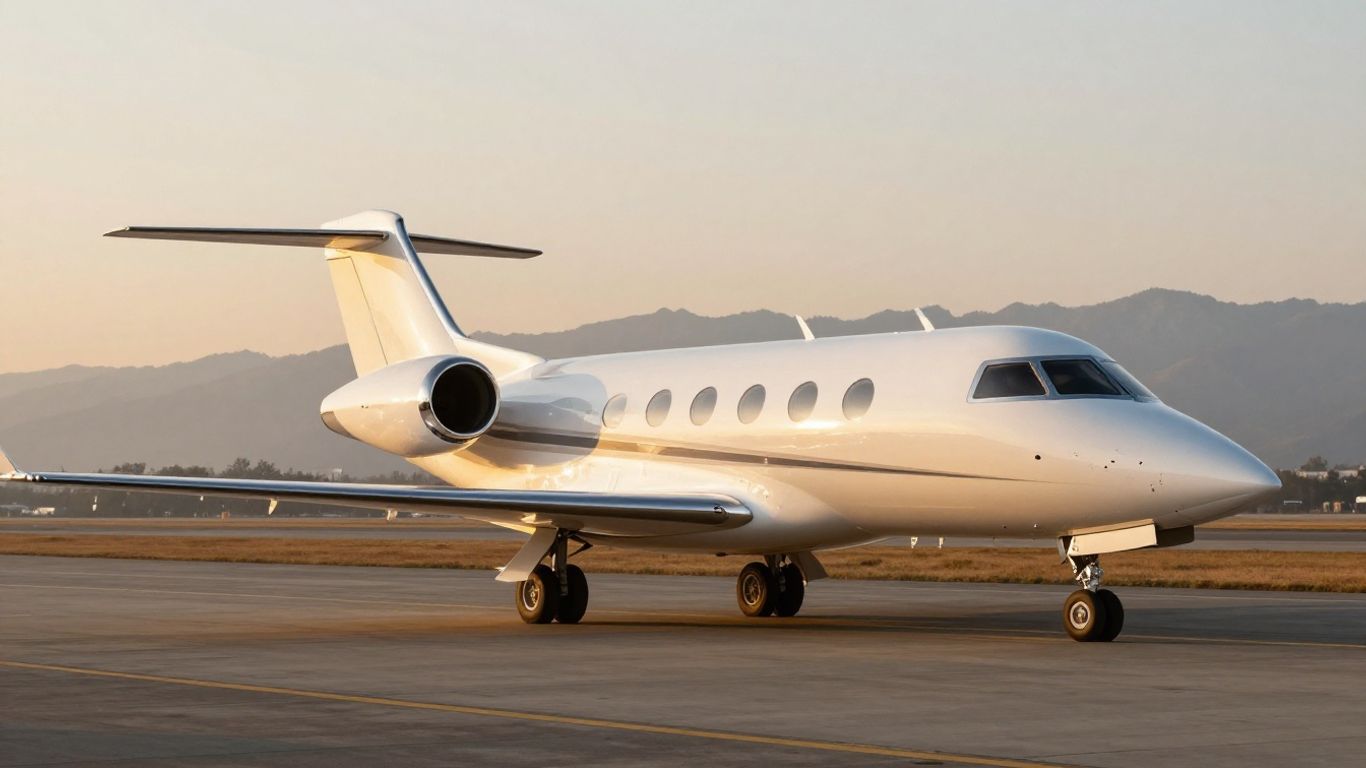
When you’re looking at private aviation, especially the very light jet (VLJ) category, the benefits really start to stack up, particularly if you’re tired of the commercial airline grind. These nimble aircraft aren’t just about luxury; they’re about smart, efficient travel.
Time Savings and Schedule Control
This is probably the biggest draw. Forget arriving at the airport two hours early, dealing with security lines, and then waiting for baggage. With a VLJ, you can often arrive just 15-20 minutes before departure. Your schedule becomes the only schedule that matters. This means you can pack more into your day, whether it’s extra meetings or simply getting home sooner. Imagine a business trip that would take a full day on a commercial flight being completed in just a few hours with a VLJ, allowing you to land at an airport closer to your final destination. This kind of efficiency can really make a difference in your productivity and overall well-being.
Access to Smaller Airports
Commercial airlines are limited to larger airports, which often means you still need to drive a significant distance to reach your actual destination. VLJs, on the other hand, can use thousands of smaller airports and private airstrips that larger jets can’t access. This drastically cuts down on ground travel time and hassle. You can land much closer to where you need to be, whether that’s a remote business park or a vacation spot off the beaten path. It’s about getting you directly to your destination without the extra logistical steps.
Cost-Effectiveness for Specific Missions
While private jets might sound expensive, VLJs offer a more budget-friendly entry point compared to larger private aircraft. For individuals or small groups flying shorter to medium distances, a VLJ can be surprisingly economical. You’re not paying for the size and fuel burn of a heavy jet when you only need to carry a few people a few hundred miles. This makes them a practical choice for frequent regional travel. For many, chartering a VLJ or using a jet card program provides access to these benefits without the massive capital investment of ownership, making it a smart way to manage travel expenses. It’s about matching the aircraft to the mission, avoiding unnecessary costs associated with oversized planes. You can find more information on light jets and their capabilities.
The ability to bypass crowded terminals and rigid schedules transforms travel from a potential ordeal into a smooth, predictable experience. This reclaimed time and reduced stress are significant advantages that are hard to quantify but deeply felt by those who fly privately.
Choosing the Right Very Light Jet
So, you’re thinking about getting into the world of Very Light Jets (VLJs). That’s exciting! But with so many options out there, how do you pick the one that actually makes sense for you? It’s not just about picking the prettiest plane; it’s about matching the aircraft to how you actually plan to fly. Let’s break it down.
Mission Profile Assessment
First things first, what are you going to do with this jet? Think about your typical trips. Are you hopping between cities for short business meetings, or are you planning longer hauls to see family across the country? Knowing your usual flight distances is key. For instance, if most of your flights are under 90 minutes, a smaller VLJ might be perfectly fine. But if you’re regularly pushing past the 2-hour mark, you’ll want to look at models with a bit more range and fuel capacity. It’s also worth considering the airports you’ll use most often. Some VLJs can land on shorter runways, opening up more options than you might think.
Passenger Capacity and Range Considerations
This is where you really need to be honest with yourself. How many people are you actually going to fly with most of the time? A jet that seats four comfortably might feel cramped if you often travel with six. While many VLJs are designed with single-pilot operations in mind, carrying more passengers can impact performance and comfort. Don’t buy a jet based on its maximum possible passenger count; focus on your typical load.
Here’s a quick look at how passenger count and range often play together:
| Aircraft Type | Typical Passenger Count | Typical Range (Nautical Miles) |
|---|---|---|
| VLJ | 2-4 (plus pilot) | 1,000 – 1,500 |
| Light Jet | 4-6 (plus pilot) | 1,500 – 2,000+ |
Remember, these are general figures. Specific models within these categories can vary quite a bit. You can find more details on specific aircraft types when you’re looking at private charter jet options.
Budget and Ownership Models
Okay, let’s talk money. The purchase price is just the start. You’ve got to think about the total cost of ownership. This includes things like:
- Maintenance: What’s the aircraft’s maintenance history? Are there upcoming big inspections?
- Insurance: This can vary based on the aircraft and your experience.
- Training: If you’re flying single-pilot, you’ll need specific recurrent training.
- Hangarage: Where will you keep the plane when it’s not flying?
- Avionics: Are the navigation systems up-to-date, or will you need upgrades soon?
Beyond outright purchase, consider ownership models. Are you looking to buy a pre-owned jet to start, or are you aiming for a new one? Fractional ownership or jet cards are also great ways to access private travel without the full commitment of owning an aircraft outright. Each has its own financial implications and operational flexibility.
Choosing the right VLJ is a balancing act. It’s about aligning the aircraft’s capabilities with your real-world travel needs and financial comfort zone. Overlooking any of these factors can lead to a mismatch, making your dream of private jet travel more of a headache than a convenience. Take your time, do your homework, and maybe even talk to a few people who already own or operate the types of jets you’re considering.
Ultimately, the best VLJ for you is the one that fits your mission, your passengers, and your budget without causing undue stress. It’s about smart choices for smarter travel.
Top Very Light Jet Models
Exploring Leading VLJ Manufacturers
When you start looking at Very Light Jets (VLJs), a few names pop up pretty consistently. These manufacturers have really carved out a niche by focusing on aircraft that are efficient, easy to fly, and don’t break the bank compared to bigger jets. We’re talking about companies like Cirrus Aircraft, Embraer, and Honda Aircraft Company, each bringing their own flavor to the VLJ market. They’ve all put a lot of thought into making these planes accessible, often with single-pilot operations in mind, which is a big deal for owner-operators. It’s not just about the plane itself, but the whole package – the support, the training, and the overall ownership experience.
Key Features of Popular VLJs
So, what makes a VLJ stand out? Well, it’s a mix of things. Take the Cirrus Vision Jet, for instance. It’s famous for its whole-aircraft parachute system, which is a huge safety plus. Then you have the Embraer Phenom 100EV, which offers a really refined cabin and impressive performance for its size, feeling more like a mini-business jet. Honda Aircraft’s HA-420 HondaJet is known for its unique over-the-wing engine mount, which helps reduce cabin noise and improve efficiency. These aren’t just planes; they’re designed with specific user needs in mind.
Here’s a quick look at some popular models:
- Cirrus Vision Jet SF50: Known for its innovative safety features like the CAPS parachute and Safe Return autoland. It’s often considered the most accessible personal jet. Its range is around 1,200 nm.
- Embraer Phenom 100EV: This jet offers a premium feel with an enclosed lavatory and strong performance, suitable for single-pilot operations. Expect a range of about 1,175 nm.
- HondaJet HA-420 Elite II: Features a distinctive design with engines mounted above the wings, leading to a quieter cabin and efficient flight. Its range can reach up to 1,600 nm.
Choosing a VLJ often comes down to balancing performance, comfort, and those unique features that matter most to you. It’s about finding the aircraft that fits your specific travel needs and personal preferences.
Performance and Efficiency Benchmarks
When we talk about performance, we’re looking at speed, range, and how much fuel these little jets sip. Most VLJs cruise somewhere between 300 and 400 knots. Their range typically falls in the 1,000 to 1,500 nautical mile ballpark, which is perfect for hopping between cities or regions without needing to refuel. For example, the HondaJet Elite II can stretch its legs out to about 1,600 nm, making cross-country trips more feasible. The Cirrus Vision Jet, while a bit shorter in range at around 1,200 nm, compensates with its unique safety systems. These aircraft are designed to be efficient, often costing less per hour to operate than their larger counterparts. This efficiency is a big part of what makes them so appealing for personal or small business use. If you’re comparing different light jets, you’ll find a lot of detailed specs available to help you make an informed decision.
| Model | Cruise Speed (KTAS) | Max Range (nm) | Typical Passenger Capacity | New Price (Approx. USD) |
|---|---|---|---|---|
| Cirrus Vision Jet SF50 | 300 | 1,200 | 4-7 | $3.3 – $3.5 million |
| Embraer Phenom 100EV | 400 | 1,175 | 4-6 | $4.5 – $5.0 million |
| HondaJet HA-420 Elite II | 420 | 1,600 | 4-6 | $5.0 – $5.5 million |
Operational Aspects of Very Light Jets
Single-Pilot Operations
Many very light jets (VLJs) are designed with single-pilot operations in mind. This isn’t just a feature; it’s a core philosophy that shapes the aircraft’s design and systems. Think about it: having one pilot means the cockpit needs to be incredibly intuitive and the systems need to be highly automated. Manufacturers focus on advanced avionics suites, often featuring large, clear displays and simplified controls. This allows a single pilot to manage navigation, communication, and aircraft systems effectively, even in complex airspace or challenging weather. The goal is to reduce pilot workload, making flight safer and more manageable for individuals who choose to fly themselves.
Maintenance and Support Networks
When you own a VLJ, keeping it in the air is a big part of the equation. Unlike larger commercial jets with dedicated maintenance crews, VLJs often rely on a mix of manufacturer support, authorized service centers, and independent mechanics. It’s important to know what kind of support is available for the specific model you’re interested in. Some manufacturers have a strong global network, meaning you can usually find a qualified technician relatively close by, no matter where you fly. Others might have more limited reach, which could mean longer waits or more expensive travel for maintenance.
- Manufacturer Support: Direct factory service or authorized partners.
- Service Centers: Dedicated facilities often found at major airports.
- Independent Mechanics: Certified professionals who can work on specific aircraft types.
- Parts Availability: How easy is it to get replacement parts?
Safety Technologies and Innovations
Safety is always top of mind in aviation, and VLJs are no exception. These aircraft are equipped with modern safety features that were once only found on much larger, more expensive planes. We’re talking about things like:
- Advanced Avionics: Think synthetic vision systems that show you a 3D view of terrain even in low visibility, and sophisticated autopilots that can handle complex maneuvers.
- Traffic Collision Avoidance Systems (TCAS): These systems help pilots see and avoid other aircraft.
- Terrain Awareness and Warning Systems (TAWS): These alert pilots to potential ground proximity issues.
- Ballistic Airframe Parachute Systems: Some VLJs, like the Cirrus Vision Jet, even have a parachute for the entire aircraft, offering an ultimate safety net in extreme emergencies.
Flying a VLJ means you’re benefiting from decades of aviation safety advancements. While no aircraft is completely risk-free, the technology packed into these small jets significantly boosts the safety margin for pilots and passengers alike. It’s about having layers of protection, from the design of the aircraft itself to the sophisticated systems that assist the pilot.
Acquiring and Accessing Very Light Jets
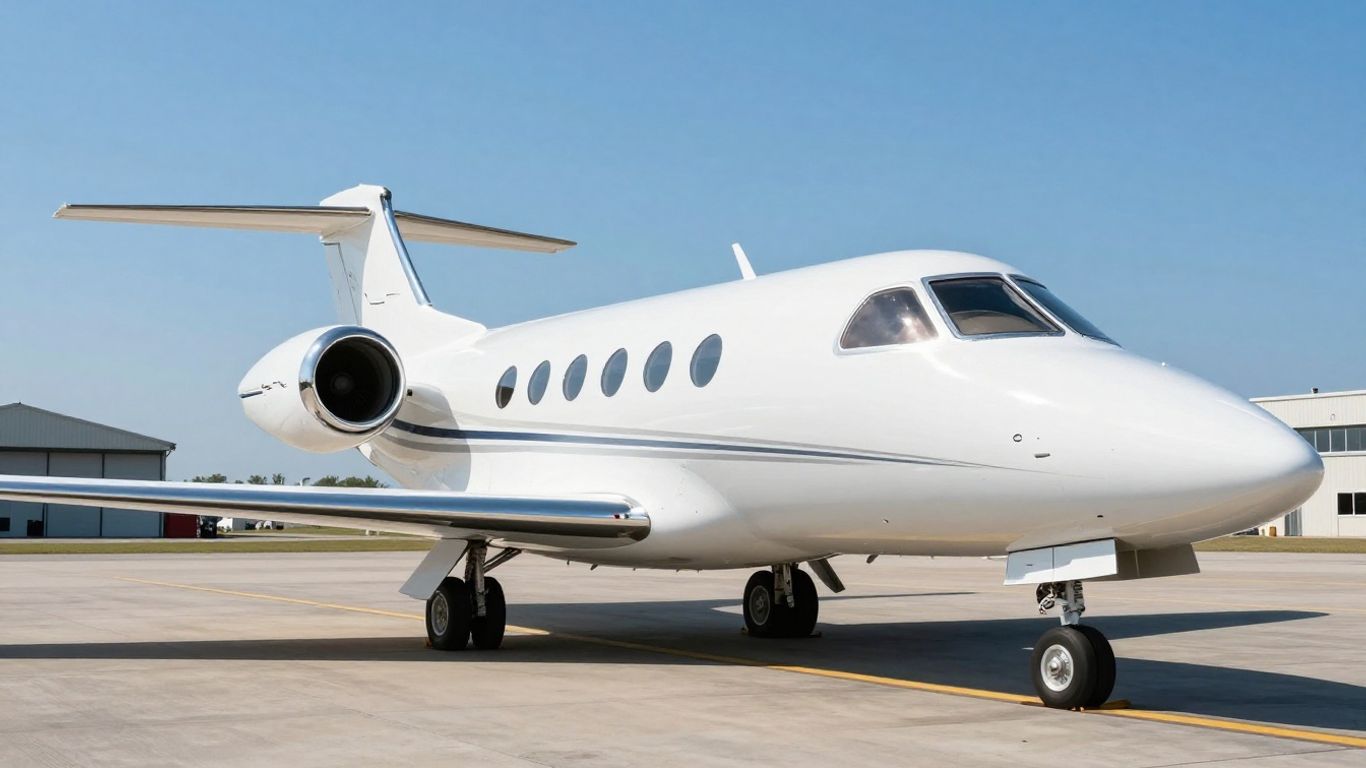
So, you’ve decided a Very Light Jet (VLJ) is the way to go for your travel needs. That’s great! But how do you actually get one? It’s not quite as simple as walking into a dealership and picking one off the lot, though it’s getting closer. There are a few main paths you can take, each with its own set of pros and cons. It really boils down to how much you plan to fly, your budget, and how much control you want over your aircraft.
New Purchase vs. Pre-Owned VLJs
Buying a brand-new VLJ is exciting, no doubt. You get the latest tech, that new-plane smell, and a full manufacturer’s warranty. Think of models like the Cirrus Vision Jet or the Embraer Phenom 100EV – they’re sleek, modern, and built for efficiency. The downside? The price tag. A new VLJ can set you back anywhere from $3.3 million to $5 million or more. It’s a significant investment, and you’ll want to be sure you’re going to use it enough to justify that cost.
On the flip side, there’s the pre-owned market. You can often find fantastic deals on used VLJs. Sometimes, you can snag a Phenom 100 or a Cessna Citation Mustang for under $2 million. This can be a smart way to get into jet ownership without the initial depreciation hit. However, you’ve got to be careful. You’ll want to thoroughly check the aircraft’s maintenance history, avionics, and overall condition. A cheaper purchase price can quickly disappear if the plane needs a lot of work or has outdated systems.
Here’s a quick look at what you might expect:
| Aircraft Type | New Price Range (Approx.) | Used Price Range (Approx.) | Key Considerations |
|---|---|---|---|
| Very Light Jet (VLJ) | $3.3M – $5M+ | $1.5M – $3M+ | Maintenance history, avionics, warranty status |
Fractional Ownership and Jet Cards
If buying a whole jet seems like too much, or you don’t fly enough to justify it, fractional ownership or a jet card might be a better fit. With fractional ownership, you buy a share of an aircraft. You get guaranteed availability, and you only pay for the hours you fly, plus monthly management fees. It’s like owning a piece of the pie without having to manage the whole bakery.
Jet cards are even more flexible. You pre-pay for a block of flight hours on a specific type of aircraft, or sometimes across a range of aircraft. Need to fly from New York to Miami? Just book it. This option offers a lot of convenience and predictability in pricing. It’s great for people who fly regularly but not enough to warrant owning, or for those who want access to different types of aircraft depending on the mission. You avoid the complexities of ownership, like maintenance and hangarage, and just focus on getting where you need to go.
Here are some common ways to access private jets:
- Full Ownership: Complete control, highest cost, highest responsibility.
- Fractional Ownership: Shared ownership, guaranteed availability, shared costs.
- Jet Card: Pre-paid hours, flexible booking, no ownership responsibilities.
On-Demand Charter Solutions
Finally, there’s always on-demand charter. This is essentially like hailing a taxi, but for private jets. You call a charter broker or operator, tell them where you want to go and when, and they find an available aircraft for you. It’s the most flexible option because you only pay for the flights you take, and you don’t have any long-term commitments. It’s perfect for occasional trips or when your usual travel plans change unexpectedly.
While charter offers ultimate flexibility, it’s important to remember that pricing can fluctuate based on demand, aircraft availability, and the specific route. For frequent travelers, the cost per hour can sometimes exceed that of a jet card or fractional ownership over the long run. However, for sporadic travel or when needing a specific type of aircraft for a unique mission, charter remains a very practical solution.
Choosing the right method depends heavily on your personal flying habits and financial situation. Take the time to crunch the numbers and consider what level of commitment and control you’re comfortable with.
Wrapping It Up
So, we’ve looked at a bunch of these smaller private planes, from the speedy jets to the more down-to-earth turboprops and even some fancy piston models. Picking the right one really boils down to what you actually need it for. Think about where you fly most, how many people usually tag along, and, of course, what you’re comfortable spending. It’s not about getting the flashiest plane, but the one that makes the most sense for your trips. Whether you decide to own one, hop on a charter, or go for a jet card, the main thing is that it fits your life and gets you where you need to go without a fuss. Happy flying!
Frequently Asked Questions
What exactly is a Very Light Jet (VLJ)?
Think of a Very Light Jet, or VLJ, as a small, super-light private airplane. It’s designed for short trips and usually carries just a few people, like 4 to 6. They’re great because they’re cheaper to run than bigger jets and can land at smaller airports that big commercial planes can’t use. They’re perfect for quick business meetings or getting away for a weekend without the hassle of big airports.
Are VLJs really cheaper than other private planes?
Yes, generally they are! VLJs use less fuel and cost less to buy and maintain compared to larger private jets like light jets or midsize jets. This makes them a really good option if you don’t need to fly super long distances or carry a lot of people. They offer a taste of private flying without breaking the bank.
Can I fly a VLJ myself, or do I need a pilot?
Many VLJs are actually designed so one pilot can fly them! This is called ‘single-pilot operation.’ It can save money because you don’t need to pay for a second pilot. However, even if you can fly it yourself, you still need the right pilot’s license and training. For longer or more complex trips, many people still prefer to have a professional pilot.
What’s the biggest advantage of flying in a VLJ?
The biggest plus is saving time and having control over your schedule. Instead of driving to a big airport, waiting in long security lines, and dealing with flight delays, you can often drive right up to a smaller airport, get on your plane, and take off quickly. This can save you hours on a trip, letting you get more done or just relax sooner.
Can a VLJ fly across the ocean?
Most Very Light Jets aren’t built for long ocean crossings like flying over the Atlantic. They’re made for shorter trips, usually within a continent. To fly across oceans, you’d typically need a bigger, longer-range jet. If you need to go that far, you might look into chartering a larger plane just for that trip.
How do I get to fly on a VLJ if I don’t want to buy one?
You have a few good choices! You can look into ‘jet cards,’ which are like pre-paid flight accounts where you buy hours on a specific type of jet. Another option is ‘on-demand charter,’ where you book a flight whenever you need one, just like booking a regular airline ticket but for a private jet. Both ways let you enjoy private flying without the big commitment of owning a plane.