
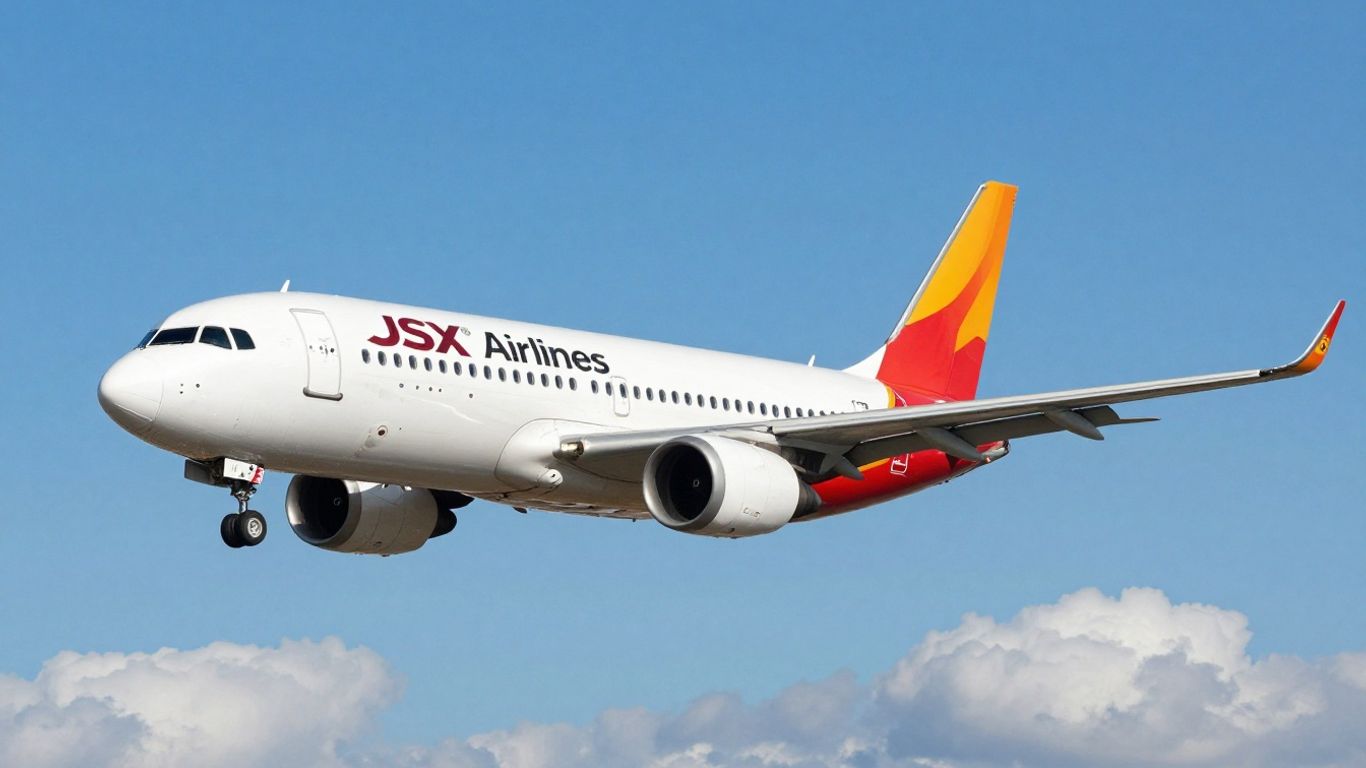
Thinking about flying JSX but wondering about the cost? You’re not alone. JSX offers a different kind of travel, kind of like a step up from your usual commercial flight but not quite a private jet. It’s got its own set of prices and ways to save, and this guide is all about figuring out the deal with JSX airlines prices so you can travel smarter.
Key Takeaways
- JSX positions itself between commercial airlines and private jets, offering a semi-private experience with benefits like private terminals and faster check-in.
- JSX airlines prices can be higher than standard airlines, sometimes two to three times more expensive, but deals and fare options like ‘Hop On’ and ‘All In’ can affect the final cost.
- Look out for American Express offers, as they have provided statement credits that can significantly reduce the cost of JSX flights.
- JSX offers free checked bags (two for ‘Hop On’, three for ‘All In’) and a pet-friendly policy, which can add value compared to other airlines.
- While you can earn miles with JetBlue and United on JSX flights, you can’t currently redeem those miles for JSX travel, and a new loyalty program, Club JSX, is set to launch.
Understanding JSX Airlines Prices
JSX’s Position in the Travel Market
JSX kind of sits in the middle, doesn’t it? It’s not quite a big commercial airline with hundreds of seats, and it’s definitely not a full-on private jet. Think of it as "semi-private." They use smaller planes, usually around 30 seats, and you get more legroom than you’d typically find on a regular flight. Plus, you often use separate, smaller terminals, which means way less hassle getting through security and to your gate. This whole setup makes it a bit pricier than your standard airline ticket, but a lot less than chartering a whole jet. It’s for people who want a bit more comfort and speed without completely breaking the bank.
Comparing JSX Costs to Commercial Airlines
So, how do the prices stack up? Well, JSX flights can often cost more, sometimes quite a bit more, than flying with major carriers like American or Southwest. For example, a trip that might cost you a few hundred dollars on a commercial airline could easily be double that, or even more, on JSX. It really depends on the route and how far in advance you book. While JSX tickets can start around $149 for shorter hops, you might find a comparable flight on a budget airline for under $50. If you’re someone who usually pays extra for things like first-class seats or extra legroom on commercial flights, the price difference might not seem as huge, but for most people just looking for the cheapest way from point A to point B, commercial airlines are usually the way to go price-wise.
Factors Influencing JSX Flight Prices
Several things can affect how much you’ll pay for a JSX flight. The route you’re flying is a big one; popular destinations or routes with less competition might be more expensive. Time of year and day of the week also play a role, just like with any airline – expect to pay more around holidays or on peak travel days. JSX also has different fare types, like ‘Hop On’ and ‘All In,’ and the ‘All In’ fares, which offer more flexibility, naturally cost more. Sometimes, you might find special deals or promotions, especially if you’re signed up for their emails or follow them on social media. And, like many airlines, booking further in advance usually gets you a better price than waiting until the last minute.
When you’re looking at JSX prices, it’s helpful to think about what you’re actually getting for the extra cost. It’s not just about the seat; it’s about the whole experience – the quicker check-in, the more comfortable seating, and the generally less crowded terminals. Weighing these benefits against the higher price tag is key to deciding if it’s the right choice for your trip.
Maximizing Value with JSX Flights
So, you’re looking at JSX and wondering how to get the most bang for your buck. It’s not just about the ticket price, right? It’s about the whole experience and what you get for what you pay. Let’s break down how to make your JSX trip as cost-effective as possible.
Exploring JSX Fare Options: Hop On vs. All In
When you book a JSX flight, you’ll usually see two main fare types: ‘Hop On’ and ‘All In’. They sound pretty straightforward, but understanding the differences can save you some headaches and maybe even some cash.
- Hop On Fares: These are generally your most basic option. They’re good if you know your plans are pretty set. With Hop On, you typically get a couple of checked bags included, which is a nice perk. Think of it as the standard ticket – gets you there with your essentials covered.
- All In Fares: This option usually costs a bit more upfront, but it comes with extra flexibility. If your travel plans are a bit up in the air, or you think you might need to change your flight, All In is the way to go. You also usually get an extra checked bag with this fare, so three in total. It’s for when you want a little more peace of mind and room for more stuff.
Here’s a quick look at what you generally get:
| Feature | Hop On Fare | All In Fare |
|---|---|---|
| Checked Bags | 2 (up to 50 lbs) | 3 (up to 50 lbs) |
| Flexibility | Limited changes | More flexible |
| Price | Lower | Higher |
The key is to match the fare type to your travel style. If you’re a planner and don’t need to change your flight, Hop On is likely your best bet. If you value flexibility and extra baggage allowance, the All In fare might be worth the extra cost.
Leveraging AmEx Offers for JSX Discounts
This is where things get interesting if you’re an American Express cardholder. Keep an eye out for special offers that pop up in your AmEx account. I’ve seen deals where you get a statement credit back after spending a certain amount on a JSX flight. For example, a recent offer gave $100 back after spending $200 or more. It’s not a direct discount when you book, but that cash back can really bring down the effective cost of your ticket. You usually have to enroll in the offer first, so don’t forget that step. These deals don’t last forever, so check your AmEx account before you book.
Understanding JSX Baggage Allowances
Baggage is a big one, especially when you’re comparing prices. JSX is pretty generous here, which can add up to savings compared to other airlines that charge extra for bags.
- Hop On Fares: You get two checked bags included, and each can weigh up to 50 pounds. That’s a decent amount of luggage for most trips.
- All In Fares: This bumps it up to three checked bags, still with the 50-pound limit per bag. Plus, the bags are often waiting for you right by the plane or in the lounge shortly after you land, which is pretty neat.
This allowance is a significant factor. If you’re used to paying extra for checked bags on other airlines, JSX’s included allowance can make their prices look much better. Just make sure your bags are within the weight limit to avoid surprise fees.
The JSX Travel Experience
When you think about flying, what usually comes to mind? Long lines, crowded terminals, and a general sense of chaos, right? Well, JSX is trying to change that whole picture. They’re aiming for a more relaxed, almost lounge-like atmosphere before you even step on the plane. It’s a different vibe, for sure.
Benefits of Semi-Private Travel with JSX
JSX calls it "semi-private" travel, and it really feels that way. Instead of heading to the main terminal with everyone else, you use smaller, private lounges. This means no TSA lines to worry about, and you can show up way closer to your departure time. Seriously, arriving just 20 minutes before your flight is often totally fine. This is a huge time saver, especially if you’re flying for business and need to hop between cities like Dallas and Houston without losing a whole day to airport procedures. It’s all about making your travel time count for something more productive or just plain relaxing.
Onboard Amenities and Services
Once you’re on board, the difference continues. JSX uses jets that are configured with more legroom than you’d typically find on a commercial flight. Think business-class comfort for everyone. Plus, they don’t have middle seats, so you’re always getting a window or an aisle. Complimentary snacks and drinks are standard, which is a nice touch. They were even the first to offer Starlink Wi-Fi on many of their planes, so staying connected is usually pretty easy. The aircraft and equipment are kept clean and functional, and the flight attendants are generally friendly and attentive during the flight [e9f7].
Streamlined Check-in and Security Processes
The whole point of JSX is to cut out the airport hassle. You check in at a private lounge, not a crowded counter. Security is also different – it’s designed to be quick and non-invasive. You can often walk through without taking off your shoes or taking out your liquids. This whole process, from arriving at the lounge to being seated, is designed to take about 20 minutes. It’s a stark contrast to the hours you might spend at a major airport.
The focus is on reclaiming your time and reducing the stress often associated with flying. It’s a trade-off, of course, as the ticket price might be higher than a budget airline, but for many, the convenience and comfort are well worth it.
JSX’s Network and Destinations

JSX has been busy building out its routes, mostly focusing on the West Coast and the Sun Belt. It’s not a massive airline with hundreds of destinations, but it hits a lot of key spots, especially if you’re looking to skip the usual airport chaos. Think of it as a way to connect cities that people travel between a lot for business or quick getaways.
Key Routes and Hubs for JSX Flights
JSX really shines on routes where time is money. They’ve got a strong presence in California, connecting places like Burbank (BUR) and Orange County (SNA) to places like Las Vegas (LAS) and Scottsdale (SCF). Dallas (DAL) is also a big deal for them, acting as a hub for flights to other Texas cities like Houston (HOU) and Austin (EDC), and even down to Florida. It’s all about high-frequency, nonstop flights between these popular spots. You can check out their interactive map to see all the places they fly.
Seasonal and Emerging Destinations
Beyond the regular routes, JSX also offers some seasonal flights. For example, you might find flights to ski towns like Gunnison/Crested Butte (GUC) during the winter months. They’re also adding new places, so it’s worth keeping an eye on their route map if you travel frequently. The airline seems to be growing, so new destinations could pop up.
Navigating JSX Flights to Mexico
Taking a trip south of the border? JSX flies to Cabo San Lucas (CSL) from places like Dallas and Los Angeles. The cool part here is that you clear customs in a private facility, which is a big change from the usual airport experience. It makes the whole trip feel more relaxed from the start.
Traveling internationally with JSX means you can often avoid the big crowds and long lines associated with border crossings, making your vacation start sooner.
Here’s a quick look at some of the airports they serve:
- Burbank (BUR)
- Las Vegas (LAS)
- Scottsdale (SCF)
- Dallas (DAL)
- Austin (EDC)
- Cabo San Lucas (CSL)
- Orange County (SNA)
- Oakland (OAK)
It’s a pretty focused network, but it covers a lot of ground for travelers who want a more convenient way to get between these specific cities.
Loyalty Programs and Rewards with JSX
While JSX isn’t a traditional airline, they’ve been rolling out ways for frequent flyers to get a little something back. It’s not quite the same as racking up miles on a legacy carrier, but there are definitely some perks to consider if you find yourself flying JSX often.
Earning Miles with JetBlue and United
JSX has partnered with a couple of bigger names, which is pretty neat. You can actually earn points or miles with JetBlue’s TrueBlue program and United’s MileagePlus program when you fly JSX. This is a great way to get a little extra value, especially if you’re already loyal to one of those airlines. It’s like a "double dip" – you get the JSX experience and still add to your existing airline account. Just make sure to check the specific routes and fare types that qualify for earning, as not all flights might be eligible.
Understanding Club JSX Rewards
Last year, JSX launched its own loyalty program, Club JSX. Think of it as their way of saying thanks to repeat customers. The main benefit here is earning credit back on future flights. You get 5% of your base fare back as a credit to use on your next JSX trip. This can really add up if you’re a regular flyer. Plus, they’ve added a family pooling feature, which is handy if you travel with a group or family – up to five people can combine their credits. It makes booking those group getaways a bit more affordable.
Maximizing Rewards on JSX Flights
So, how do you make the most of these programs? It’s all about being a bit strategic.
- Combine Programs: Don’t just stick to one. If you can earn JetBlue points and Club JSX credit on the same flight, do it! Check the earning rates for both programs before you book.
- Look for AmEx Offers: Sometimes, American Express will have statement credits for spending a certain amount on JSX flights. Keep an eye out for these before you purchase tickets, as they can offer a nice chunk of savings.
- Consider Fare Types: While "Hop On" fares are cheaper, "All In" fares might offer more flexibility and potentially better earning opportunities, depending on the specifics of the program at the time of booking.
Flying JSX can feel like a treat, and these loyalty and reward programs are a nice bonus. They help bridge the gap between the premium experience JSX offers and the cost, making it a more sensible choice for those who fly frequently between their key destinations. It’s worth taking a few minutes to sign up for Club JSX and link your JetBlue or United accounts if you plan on flying with them more than once or twice a year. It’s a simple step that could save you money down the line.
Special Considerations for JSX Travelers
When planning your trip with JSX, there are a few things to keep in mind that set it apart from the usual commercial flying experience. It’s not just about the price, but also about how you travel and what you bring along.
JSX Pet Policy for Small and Large Animals
JSX is pretty great if you’re traveling with a furry friend. Unlike many airlines that make you check larger pets, JSX lets them come right into the cabin with you. For smaller pets like cats and dogs, they can travel in a carrier that fits under the seat for a fee, usually around $100 each way. The staff are known for being really good with animals, which makes the whole process less stressful for everyone. If you have a medium to large dog, up to about 80 pounds, JSX has a unique option: you can buy an extra seat for your dog. They’ll need to be leashed and stay on the floor in front of the seat, but they’ll be right there with you for the whole flight. This is a big deal for pet owners who really don’t want their pets going into cargo. It’s a nice change from the usual hassle.
Wi-Fi Availability and Connectivity
Good news for those who need to stay connected: JSX was one of the first to offer Starlink Wi-Fi on their planes. This means you can generally expect fast, low-latency internet access on most of their flights. It’s a pretty big perk, especially if you need to get some work done or just want to stream something during your flight. Having reliable Wi-Fi can make a long flight feel much shorter and more productive. It’s definitely a step up from the spotty connections you sometimes find on other airlines.
When JSX Flights Offer the Best Value
So, is JSX always the cheapest option? Not necessarily. But it can offer fantastic value depending on what you’re looking for. If you tend to pay extra for things like seat selection, checked bags, or even priority boarding on other airlines, JSX might actually save you money. Their fares often include things that cost extra elsewhere. For example, you get three free checked bags weighing up to 50 pounds each, which is a huge plus. Plus, the whole experience – from the quick check-in to the comfortable seating – can make the extra cost worthwhile if you value your time and comfort. It’s especially good for shorter trips where you want to avoid the typical airport chaos and get straight to your destination. Think about it this way:
- Time Savings: Arrive just 20-30 minutes before departure, skip long security lines.
- Included Amenities: Free Wi-Fi, snacks, and drinks are standard.
- Comfort: No middle seats, more legroom.
- Baggage: Generous allowances are included.
JSX really shines when you compare the total cost and time spent versus traditional airlines, especially if you’re someone who usually ends up paying for a lot of add-ons. It’s about getting more for your money and having a smoother travel day.
JSX is a solid choice for travelers who want a more relaxed and efficient journey, especially for trips within the US. Just remember to check their specific routes and compare the total cost against what you’d spend on a commercial flight with all the extras.
So, Is JSX Right for You?
Look, flying JSX isn’t always going to be the cheapest option out there, and that’s just the reality. If you’re someone who’s perfectly happy with a standard flight and doesn’t mind the usual airport hustle, then sticking with the big airlines probably makes more sense for your wallet. But, if you’ve got a bit more cash to spend and really value your time, or maybe you just want a more relaxed travel day without all the usual stress, JSX could be a really good fit. Think about what matters most to you on a trip – is it saving every last dollar, or is it getting there feeling refreshed and without a headache? For some, that extra cost for a smoother, quicker journey is totally worth it.
Frequently Asked Questions
Is JSX really cheaper than regular airlines?
Sometimes JSX can be more expensive, often costing two to three times more than regular airlines. However, if you often pay extra for things like choosing your seat or checking bags, JSX might end up being a good deal because those things are often included.
What makes JSX different from other airlines?
JSX offers a “semi-private” flying experience. This means you fly on smaller planes, use private terminals instead of busy airport gates, and can check in much closer to your departure time, usually just 20 minutes before. There are no middle seats, and they offer more legroom.
Can I bring my pet on a JSX flight?
Yes! JSX is very pet-friendly. Small pets can fly in a carrier under the seat for a fee. Even larger dogs can fly in the cabin with you by purchasing an extra seat next to you, which is a big plus compared to many other airlines that make you check pets in cargo.
What kind of Wi-Fi does JSX offer?
Most JSX flights have free Wi-Fi powered by Starlink. It’s super fast and easy to connect to – you just pick the network name. No need to enter credit card details or watch ads.
How many bags can I check with JSX?
It depends on the ticket you buy. If you get the ‘Hop On’ fare, you can check two bags for free, each up to 50 pounds. If you choose the ‘All In’ fare, you get three checked bags, also up to 50 pounds each, and more flexibility if you need to change your flight.
Where does JSX fly?
JSX flies to many places, mostly in the western United States and the Sun Belt, including popular spots like California, Texas, Las Vegas, and even Cabo San Lucas in Mexico. Their routes are always changing, so it’s best to check their website for the most current destinations.