
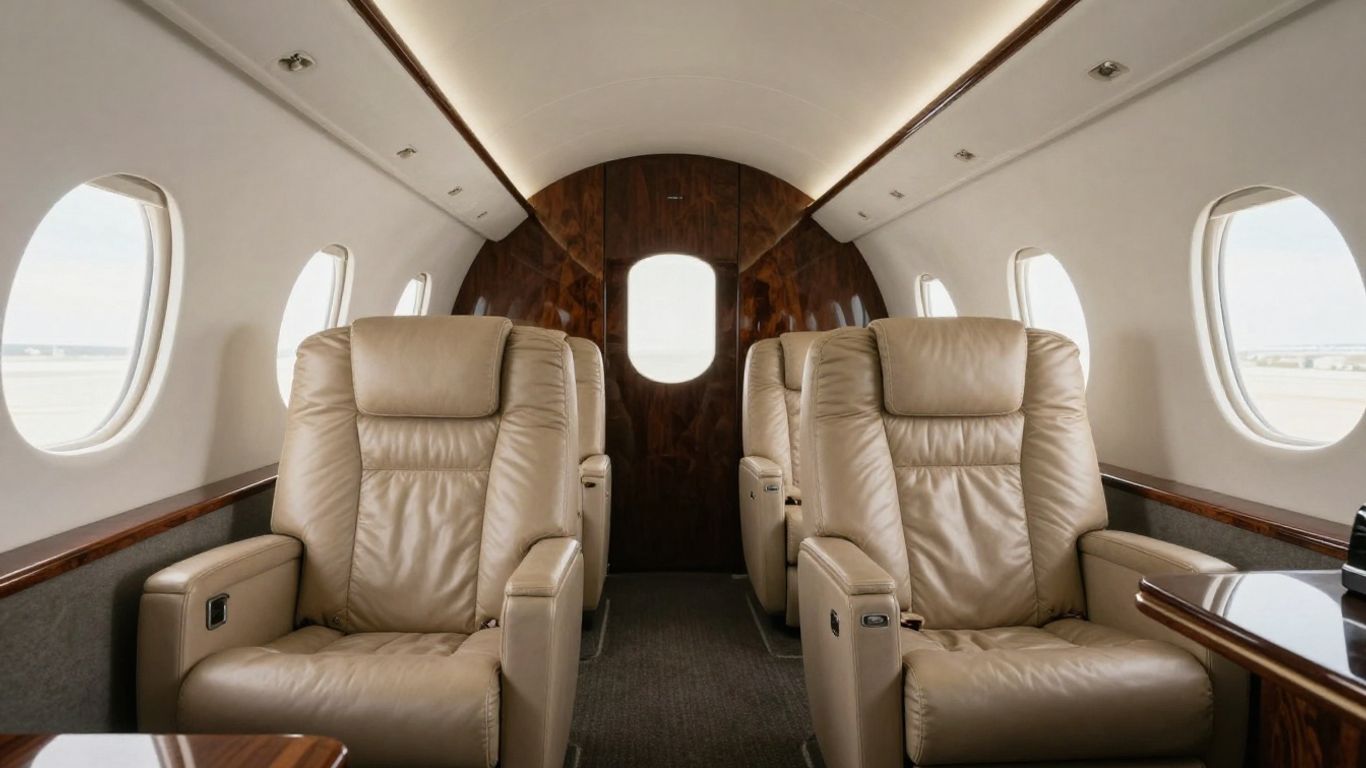
Thinking about private jet travel in 2026? NetJets is a big name, and understanding their membership cost is key. It’s not just about the sticker price; there are different ways to fly with them, and each has its own set of expenses. We’ll break down what goes into the netjet membership cost, from the initial buy-in to the hourly rates, and see how it all adds up. It can seem a bit complicated at first, but getting a clear picture helps you decide if it’s the right fit for your travel needs.
Key Takeaways
- NetJets offers various programs like fractional ownership and jet cards, each with unique pricing structures affecting the overall netjet membership cost.
- The total cost involves upfront fees, ongoing management and maintenance charges, and occupied hourly rates, which vary based on aircraft type and usage.
- Jet card programs have different tiers, like Classic and Elite, with distinct hourly rates, peak day surcharges, and minimum flight requirements that influence your spending.
- NetJets provides cost-saving benefits such as included deicing, catering, and special rates for certain international zones, which can make the netjet membership cost more competitive than initially perceived.
- When comparing NetJets to other private jet options, it’s important to look beyond advertised prices and consider factors like included services, fee transparency, and overall value for money based on your specific travel patterns.
Understanding Types of NetJets Membership Options
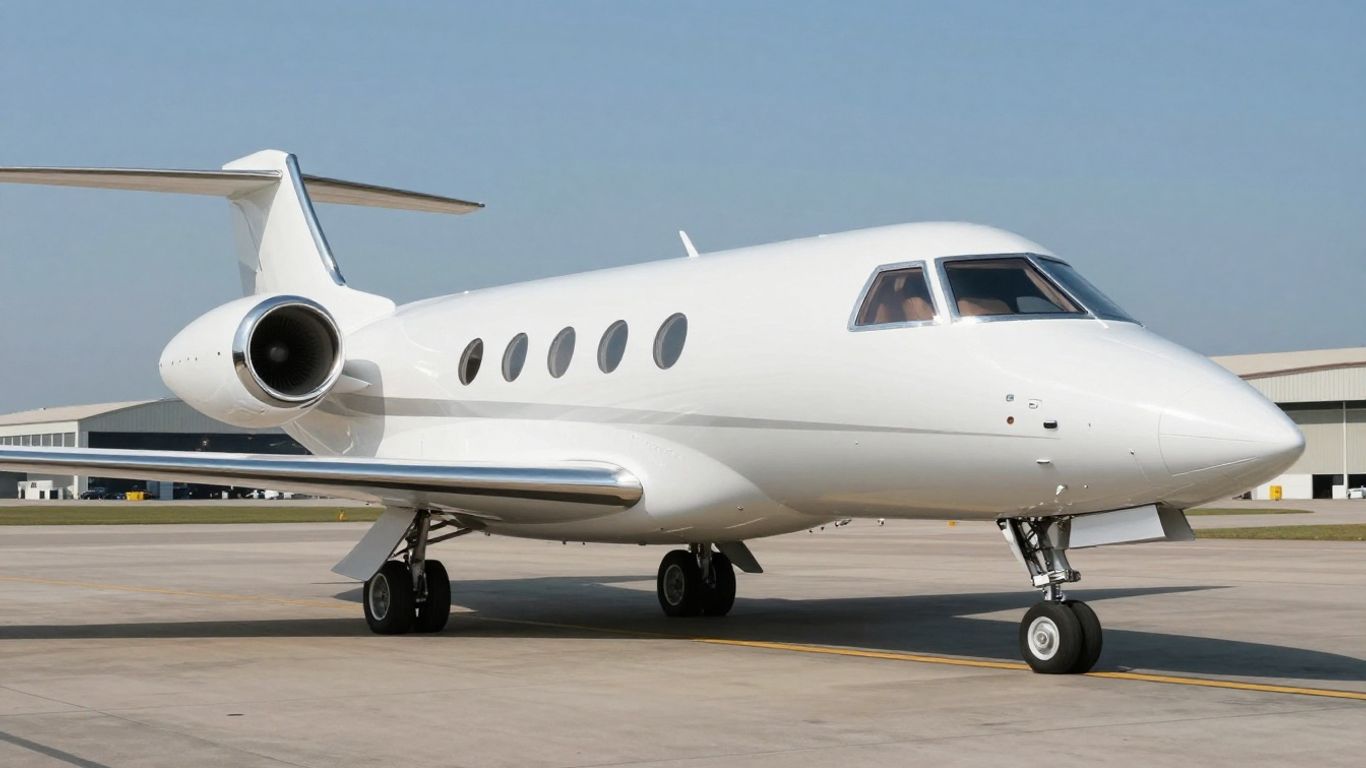
When you start looking into flying with NetJets, you’ll quickly realize it’s not a one-size-fits-all setup. There are a few different membership models, each designed for a specific travel style or level of commitment. Some folks want the closest thing to ownership with all the perks but without buying a whole jet. Others prefer not to get tied down at all, paying only for the hours they use. Here’s what those options look like in practice.
Fractional Ownership Explained
Fractional ownership is really the big headline option at NetJets. You’re not buying an entire jet outright—instead, you purchase a share of an aircraft (think 1/16 up to half), which translates to a guaranteed number of annual flight hours. It’s basically a timeshare for planes, but with consistent service and aircraft standards.
- Your share starts at 50 hours a year (1/16th) and goes up from there.
- Upfront acquisition fees, monthly management fees, and occupied hourly rates all factor into the total cost.
- Owners usually sign on for 24–36 months, after which NetJets offers a guaranteed buy-back of your share.
| Share Size | Approx. Hours/Year | Example Upfront (Phenom 300, 2026 est.) |
|---|---|---|
| 1/16 | 50 | $575,000 |
| 1/8 | 100 | $1,150,000 |
| 1/4 | 200 | $2,300,000 |
For frequent travelers who want regular access, fractional ownership can feel almost like having your own jet, just without the hassle of full responsibility.
Leasing Versus Owning a Share
Leasing is the flexible cousin to fractional ownership. Here, you lock in access to an aircraft for a set number of hours per year (minimums typically match ownership: 50 hours and up), but there’s no big upfront investment. You pay consistent monthly and hourly rates, and when your term ends, you simply walk away—no resale process.
Key differences between leasing and ownership:
- Leasing skips the acquisition fee and instead charges a rental-like structure.
- Commitments usually run for 24–36 months.
- Same access, maintenance, and service as share owners, but you never technically own any part of the jet.
Overview of Jet Card Programs
Jet cards were designed for people who want all the reliability of NetJets but can’t justify (or don’t want) a long-term deal or a big upfront payment. You prepay for a set number of hours (often 25), and fly whenever you want with little to no commitment.
Highlights of NetJets jet cards:
- Pay a flat rate, upfront, for either 25 or 50 hours.
- No annual management fee or buy-in cost. You pay as you go.
- Hourly rates vary by aircraft type, and your card locks in your flight hour pricing.
- Jet cards are a favorite among business travelers, families, and those testing the waters before committing longer term.
| Jet Card Program | Minimum Hours | Starting Price (Estimated 2026) | Aircraft Categories |
|---|---|---|---|
| Classic | 25 | $185,000+ | Light, Midsize, Super Mid, Large |
| Elite | 25 | $210,000+ | Light, Midsize, Super Mid |
If you travel less than 50 hours a year, or your schedule changes often, jet cards can give you the NetJets experience—reliable aircraft, pro crews, and a seamless booking process—without any big strings attached.
In a nutshell, choosing between ownership, leasing, and jets cards comes down to how much you fly, your appetite for commitment, and how much flexibility you want. Each model gives you consistent access to the extensive NetJets fleet, but the right fit just depends on your lifestyle.
Breaking Down NetJet Membership Cost Components
When you’re thinking about joining NetJets, it’s easy to get lost in all the numbers. The cost isn’t just a single figure; it comes from a few different pieces that add up quickly. Every member pays some combination of upfront, monthly, and usage-based fees. Let’s look at what you can expect to pay, why each charge exists, and what’s actually included.
Acquisition and Upfront Fees
Buying into NetJets starts with an acquisition fee, sometimes called the purchase price or share price. This is what gets you in the door, whether you want fractional ownership, a lease, or a jet card.
- Fractional ownership: Buy a share of a specific plane, which determines your annual flight hours (min. 1/16 = 50 hours/year)
- Lease: Less of an upfront commitment, but you still pay a significant entry fee
- Jet Card: Pre-pay for a block of hours, typically 25 at a time
| Membership Type | Entry Fee Example (Light Jet) | Hours Included |
|---|---|---|
| Fractional Ownership | $550,000 (1/16 share) | 50/year |
| Lease | Lower than Ownership | Varies |
| Jet Card | $119,900 (Hawker 400XP) | 25 |
Some people find the high upfront price a bit intimidating, but you’re paying for guaranteed access, a solid fleet, and stable hourly rates, which can really matter if you fly often.
Monthly Management and Maintenance Charges
After joining, you’ll see a monthly bill. This covers operational administration, scheduled maintenance, and general fleet readiness. Maintenance is big—NetJets keeps every plane safe and up to standard, no matter how often you personally fly.
Typical components of the monthly fee:
- Administrative management and pilot scheduling
- Routine repairs and preventive maintenance
- Hangaring and insurance
| Share Size | Example Monthly Fee (Phenom 300) |
|---|---|
| 1/16 (50 hrs) | $9,600 |
| 1/2 (400 hrs) | $60,000 |
Just keep in mind: this fee is fixed, whether you fly or not in a particular month.
Occupied Hourly Rates and Inclusions
You pay by the hour for actual flight time. These charges bring together the cost of fuel, landing fees, onboard catering, and even deicing—yes, that’s included. Hourly rates change depending on the aircraft you select, from smaller jets to large, long-range models.
Some sample rates and inclusions:
- Occupied Hourly Rate (Light Jet): Around $6,500–$8,800/hour
- Large Jet: Can go over $16,000/hour (executive travel solutions)
- What’s typically included:
- Fuel and crew salaries
- Domestic catering
- Deicing (important in the winter!)
- Basic ground handling charges
| Aircraft Type | Hourly Rate Range | Included Services |
|---|---|---|
| Light Jet | $6,500–$8,800 | Catering, deicing |
| Large Jet | $16,000+ | International handling |
While the costs might look steep, knowing exactly what each component gets you will help you decide if NetJets makes sense compared to chartering or other private jet memberships.
Add up these three components and you’ll get a pretty clear picture of your annual commitment. But remember, you’re not just buying hours in a jet—you’re getting a seat in one of the biggest fleets in the world, plus reliable service and predictable pricing every time you fly.
How Jet Card Program Pricing Works at NetJets
NetJets Jet Cards are one of the easiest ways to access private jet travel without buying a share or committing to long-term contracts. The pricing system isn’t just a flat hourly rate—there are different Jet Card options, varying rates by aircraft, and extra charges like peak day surcharges to consider. Let’s break down how it all works in real life.
Differences Between Classic and Elite Cards
NetJets offers two main Jet Card types: Classic and Elite. The way these cards are structured changes how much you actually pay and what kind of flexibility you get.
- Classic cards have no peak day surcharge, making them a popular pick for those who fly on busy days.
- Elite cards, on the other hand, add 25% extra on peak days, which can really stack up if you travel during holidays or big events.
- Both card types are sold in 25 or 50-hour blocks, so you know exactly what you’re getting upfront.
- Booking lead times also differ: Classic cards only need 10 hours’ notice for regular days, while Elite cards ask for 24 hours.
Here’s a quick table comparing key differences:
| Feature | Classic Jet Card | Elite Jet Card |
|---|---|---|
| Peak Day Surcharge | 0% | 25% |
| Booking Lead Time | 10 hours | 24 hours |
| Minimum Purchase | 25/50 hours | 25/50 hours |
Understanding Hourly Rates by Aircraft Type
Your hourly rate depends heavily on which aircraft you pick. NetJets lists clear pricing per aircraft, and even allows you to buy cards for specific models—unlike many competitors who group jets by size or class.
- Entry-level light jets, like the Phenom 300, have the lowest hourly rates. As of recent years, you could get 25 hours starting around $168,900, including fuel and taxes.
- Upgrading to midsize or super-midsize jets, rates rise—think Citation XLS or Challenger 350.
- Long-range and large cabin jets, like the Gulfstream G450, command the highest rates.
A quick view might look like this:
| Aircraft Type | Starting Price (25 hrs) |
|---|---|
| Phenom 300 (Light) | ~$168,900 |
| Citation XLS (Midsize) | ~$187,900 |
| Challenger 650 (Large) | ~$257,900 |
All aircraft come with WiFi, deicing, and catering included, which impacts the true value when comparing options. For more structured insight into the pricing system and what influences these costs, you can check this NetJets pricing breakdown.
Peak Day Surcharges and Minimum Flight Requirements
While NetJets tries to keep things simple, a few extra charges and rules can pop up:
- Elite card holders face a 25% surcharge on peak days. Classic card holders don’t.
- The number of peak days depends on the card—usually between 30 to 45 days each year.
- Daily minimum flight time for most aircraft is 60 minutes (taxi time included), but select jets have no minimums for shorter trips.
- Both cards offer 25- or 50-hour increments, and you can use up those hours pretty much how you want.
Keep an eye on your travel calendar—if you often travel during high-demand periods, those surcharges can add up fast. NetJets includes bonus perks like deicing and catering, which can quietly save you thousands, especially if you’re dealing with unpredictable weather.
NetJets Jet Card pricing is more than just the hourly rate. Savvy travelers weigh in included extras and actual fees to see how it stacks up. The model is flexible but not always the cheapest, so your own flying patterns will help determine if it fits your budget and lifestyle.
Cost-Saving Benefits Unique to NetJets Members
When you’re looking at the total cost of flying private, it’s easy to get caught up in the hourly rates and upfront fees. But NetJets has a few tricks up its sleeve that can actually make your flights more affordable than you might think, especially when you compare it to other options. It’s not just about the sticker price; it’s about what’s included and how they handle the little things.
Included Deicing and Catering Services
One of the things that can really add up, especially during winter months, is deicing. If you’re flying in a region with cold weather, NetJets includes deicing in their program costs. This is a significant saving compared to charter services where deicing is often an extra charge, sometimes a hefty one. Think about how many times you might need that service in a year – it can really make a difference. On top of that, catering is also part of the deal. While you might not be ordering caviar every flight, having a standard catering allowance included means you don’t have to budget separately for snacks and drinks. They have a pretty extensive menu, and they’ll even try to source specific items if you ask, all without an extra charge based on passenger count and flight time. It’s a nice perk that simplifies budgeting.
Ferry-Free and International Zone Rates
This is a big one, especially if you fly to certain destinations. NetJets offers what they call "ferry-free" or "one-way" rates in their primary service areas. What this means is you don’t pay for the aircraft to reposition itself to pick you up or drop you off within these zones. For example, flying to Hawaii or certain parts of Europe and South America can be surprisingly cost-effective because you’re not footing the bill for the empty flight time. They also have specific zone-based rates for international travel, which can be a lot more predictable and sometimes cheaper than standard charter rates, which often include significant repositioning fees.
Operational Upgrades and Flexibility
NetJets has a system where members, including jet card holders, can receive operational upgrades. This happens when a smaller aircraft is scheduled for your flight, but a larger one becomes available due to fleet utilization. It’s not guaranteed, of course, but it happens quite often, meaning you might get more space or a better aircraft than you originally booked, at no extra cost. This flexibility can be a real benefit, especially if your travel needs change last minute. Plus, their large fleet and operational centers mean they are pretty good at managing disruptions, which adds a layer of reliability that’s hard to put a price on.
It’s worth remembering that while NetJets might not always be the absolute cheapest option on paper for every single flight, the value comes from the predictability and the inclusion of services that other providers often charge extra for. When you factor in deicing, catering, and the avoidance of ferry fees on certain routes, the total cost of ownership or usage can be quite competitive, especially for frequent flyers who value consistency and service recovery.
Comparing NetJet Membership Cost With Other Private Jet Options
How NetJets Stacks Up Against Charter and Jet Card Competitors
Picking between NetJets and other private jet services is not always straightforward. NetJets gives members a predictable experience: the fleet stays modern and you pick the exact type of jet, not just a category. Charter flights are often cheaper up front, but there’s less reliability—sometimes, you never know the aircraft condition until you step onboard. Meanwhile, other jet card programs may just lump aircraft into broad size groups, so the actual jet you fly might change every trip.
NetJets stands out due to fixed pricing, guaranteed availability, and uniform aircraft standards, which many frequent travelers value over unpredictable ad-hoc charter savings.
| Option | Upfront Costs | Hourly Rate (est.) | Guaranteed Jet Type | Consistency | Commitment |
|---|---|---|---|---|---|
| NetJets | High (buy-in/share) | $1,800–$11,000+ | Yes | Very high | 2–3 years |
| Charter | None | $3,500–$14,000 | No | Varies | None |
| Jet Card | Moderate (prepay) | $5,000–$12,000 | Sometimes | Medium | 1 year or less |
With NetJets, you pay a premium for reliability and standards; with charter, you could save but risk inconsistent quality, especially during busy travel dates.
Hidden Fees and Fee Transparency
Extra charges in private aviation are a frequent sticking point. While NetJets charges higher monthly and hourly fees, most costs are built in, and major add-ons (like deicing or repositioning flights) are typically covered. By comparison:
- Charter invoices can balloon with last-minute fuel surcharges, deicing, or costly ferry flights if your departure city lacks nearby jets.
- Many jet card providers tack on peak day or short-flight surcharges—sometimes 5–40% more than quoted rates.
- Some competitors exclude key items (like international fees) until after you’ve booked, catching members off-guard.
NetJets aims for upfront clarity. This doesn’t make it the cheapest, but you know your bill before you fly.
Member Experiences with Value for Money
When it comes to value, most long-term NetJets users mention three things:
- Predictable Costs: Knowing what each flight will cost—even on holidays—matters if you’re running on a tight schedule.
- Peace of Mind: Uniform jets, professional crews, and a fleet that’s always getting upgraded brings comfort, especially for business travelers.
- All-Inclusive Perks: Items like catering and deicing are bundled in, making budgeting for frequent or winter travel much easier.
- Frequent flyers often say they left ad-hoc charter behind after too many bad aircraft experiences or surprise costs.
- Businesses like NetJets for its transparency and the comfort in recommending it to executives—there’s less risk if something goes wrong.
- For less frequent travelers, the price premium sometimes feels steep, and jet cards or on-demand options may be preferred.
In the end, NetJets membership costs more, but you get a level of consistency and ease of planning that’s tough to match elsewhere, especially if high standards and stress-free flying matter to you.
Fleet Choices and Their Impact on NetJet Membership Cost
NetJets has made a name for itself by offering the largest range of private jets in the world. Your choice of aircraft directly impacts both upfront and ongoing membership costs. Fleet modernization, aircraft selection, and sizing play a huge role in building a program that fits your flying habits and your wallet.
Fleet Modernization and Aircraft Consistency
NetJets swaps out older planes for new ones pretty regularly. Over the past few years, they’ve brought in hundreds of new jets and shed older models—so you’re almost always flying in a cabin that feels fresh. This attention to updating interiors and configurations means passengers get a consistent experience, something not all private jet companies pull off. If preferred finishings or feature reliability matters to you, NetJets’ focus here is a big plus.
- Modern fleet means fewer maintenance hiccups
- All jets (except some exceptions) get similar seating layouts for predictability
- Refreshed interiors and updated amenities
Flying with NetJets means the aircraft feels almost the same trip to trip—no unexpected surprises, even if you end up in a different model than usual.
Selecting Aircraft Types and Customization
Picking a private jet isn’t just about style—it really does dictate your membership cost. NetJets lets you select specific aircraft types, something not all jet cards or fractional ownership programs guarantee. Some folks need a nimble super-midsize jet for business hops; others want a large cabin to cross oceans.
Here’s a quick table showing how choosing between small, midsize, and large jets can change price points:
| Jet Size | Example Model | Share Price (Estimate) | Hourly Rate (Estimate) |
|---|---|---|---|
| Light Jet | Phenom 300 | $500,000 – $1 million | $2,000 – $6,000 |
| Super Midsize | Challenger 350 | $1.5 – $3 million | $7,500 – $9,000 |
| Large Cabin | Gulfstream G450 | $5 – $9 million | $15,000 – $18,000 |
Selecting the right type can mean thousands in yearly difference. Plus, NetJets gives you access to all 30 aircraft types within their fleet. Share prices vary widely based on what you pick, so take time considering how far, how often, and how many you’ll fly.
- Access to various jet sizes for different missions
- You can choose by range, size, or onboard features
- Some aircraft types may require longer minimum commitments
Cost Variations by Jet Size and Range
You can expect the biggest cost swings to show up based on size and range preferences:
- Light jets work for short-haul or regional flights and have the lowest acquisition and hourly costs. Good for solo travelers or small groups who don’t need to cross the ocean.
- Midsize and super-midsize jets cost more upfront but balance speed, range, and cabin comfort—popular with business travelers covering coast-to-coast or short international hops.
- Large-cabin jets—like the Gulfstream G450—are pricey but a necessity if your flights regularly span continents or carry a lot of people.
When you’re reviewing cost, factor in:
- Minimum hourly purchase requirements (smaller jets may allow smaller minimum shares)
- Occupied hourly rates (larger jets burn more fuel, have more crew requirements)
- Upfront acquisition cost and resale value for fractional owners
For most, this means balancing what you need against what you want, and keeping some flexibility to swap aircraft types based on trip demands. That’s a bit of the art and science behind matching your NetJets membership to your actual travel life.
Who Should Consider a NetJets Membership?
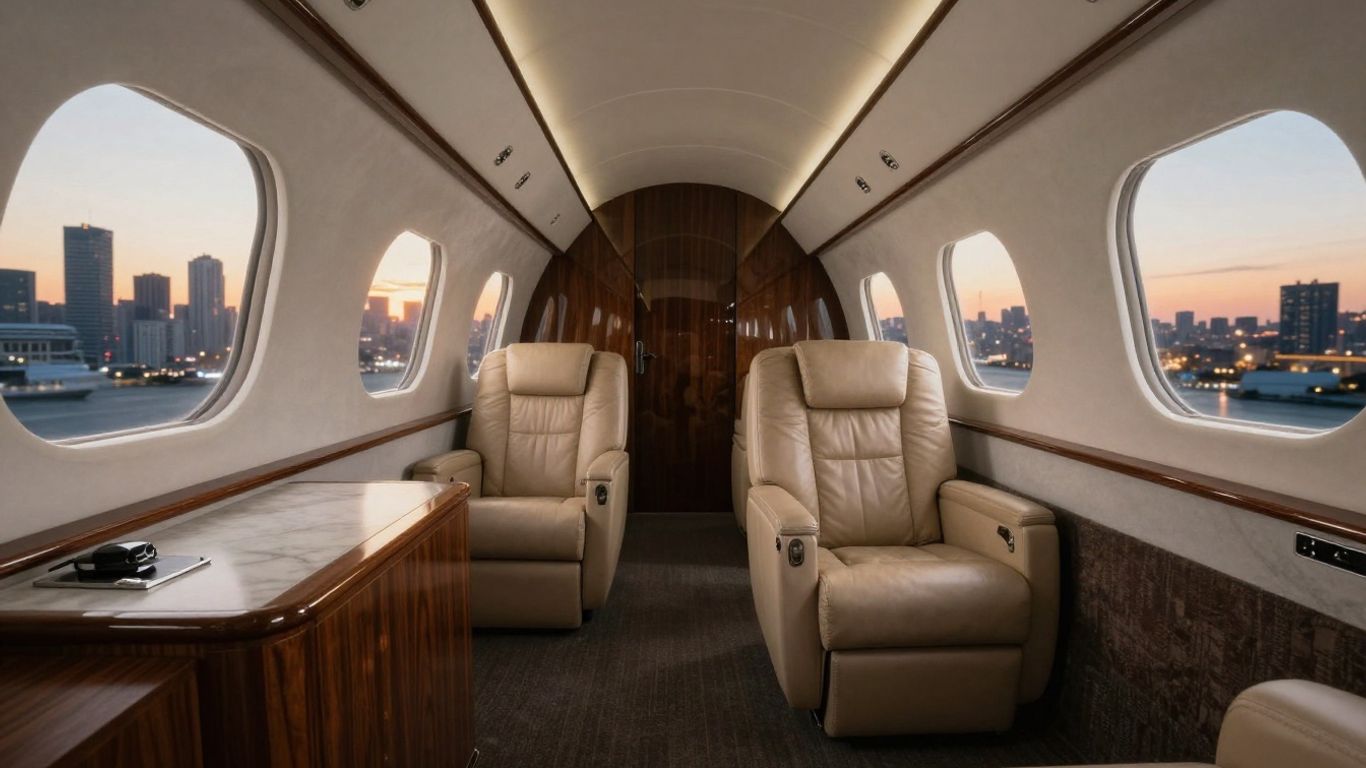
So, who is this NetJets thing really for? It’s not exactly a budget airline, that’s for sure. If you’re someone who flies private a few times a year for a special occasion, you’re probably better off looking at charter options. But if private travel is becoming a regular part of your life, either for business or just to make family visits less of a hassle, then NetJets starts to make a lot of sense.
Ideal Member Profiles Based on Travel Needs
Think about how often you actually get on a plane. If you’re racking up frequent flyer miles on commercial airlines, especially in first class, and find yourself wishing for more flexibility or less time spent in crowded terminals, a NetJets membership could be a game-changer. It’s for people who value their time and want to avoid the usual travel headaches. The core idea is trading time and stress for convenience and reliability. For those who need to be in multiple cities within a short timeframe, or who simply can’t afford the delays and unpredictability of commercial travel, NetJets offers a consistent solution. It’s also a good fit if you often travel with a group, as the space and comfort of a private jet are hard to beat.
Business Versus Personal Use Cases
On the business side, companies that need to move executives or sales teams efficiently often find NetJets indispensable. Imagine closing a deal in one city in the morning and needing to be in another for a meeting that afternoon. That’s where NetJets shines. For personal use, it’s about making life easier. Maybe you have family spread out across the country and want to visit more often without it feeling like a major expedition. Or perhaps you’re a retiree who enjoys traveling but wants to do so in comfort and style. It’s about enhancing your lifestyle and making travel a pleasure, not a chore. Many individuals also use it to transport pets or sensitive equipment, where the privacy and control over the environment are paramount.
Assessing the Cost-Value Proposition
When you look at the price tag, it’s easy to get sticker shock. But it’s important to compare apples to apples. Fractional ownership with NetJets offers affluent travelers access to private aviation, balancing luxury with accessibility. Consider the total cost of commercial travel when you factor in first-class tickets, hotel stays due to flight delays, and the lost productivity from travel time. Then compare that to the predictable costs of a NetJets membership. You get guaranteed availability, consistent aircraft quality, and a high level of service that’s hard to find elsewhere. It’s not just about the flight; it’s about the entire travel experience. For many, the peace of mind and the ability to control their schedule make the investment worthwhile. It’s a decision that hinges on how much you value your time and the quality of your travel experience.
Wrapping It Up
So, after looking at all the details, figuring out NetJets membership cost in 2026 really comes down to what you need. It’s not a one-size-fits-all deal. You’ve got options, from buying a share of a jet to using their jet cards. Each comes with its own price tag and set of benefits, like guaranteed availability or fixed hourly rates that don’t change based on where the plane is. While the upfront costs can seem high, especially for fractional ownership, remember they often include things like management fees and occupied hourly rates that cover a lot. For some, the peace of mind and consistent service are well worth the investment. It’s definitely worth crunching the numbers based on your own travel habits to see if NetJets fits your budget and flying style.
Frequently Asked Questions
What are the different ways to become a NetJets member?
NetJets offers a few ways to fly private. You can choose fractional ownership, where you buy a piece of a jet and get a set number of flight hours each year. There are also jet card programs, which are like pre-paid packages of flight hours. Sometimes, they also have leasing options if you want something different.
How much does a NetJets membership cost?
The cost really changes depending on what you choose. Fractional ownership has a big upfront cost for your share of the jet, plus monthly fees and hourly rates for when you fly. Jet cards have a set price for a block of hours. You’ll also pay more for bigger jets or if you fly during busy times.
Are there extra fees I should know about?
Yes, there can be. Besides the main costs, watch out for things like peak day surcharges, which are extra fees for flying on busy holidays or weekends. Also, some programs might charge extra for things like deicing in winter or for flying to certain international spots, though NetJets often includes these.
What’s the difference between NetJets’ Classic and Elite jet cards?
The main differences are usually in the booking times and fees. Elite cards often let you book flights closer to your departure date and might have a higher hourly rate but sometimes include more perks. Classic cards might require more notice for booking and could have different pricing structures. Both usually include things like catering and deicing.
Does NetJets include catering and other services in its prices?
Yes, NetJets often includes things like catering, deicing, and Wi-Fi in their jet card prices. This means you don’t usually get hit with surprise charges for these common services, which can be a big cost saver compared to other options where these are billed separately.
Who is a NetJets membership best suited for?
NetJets is a great choice for people and businesses who fly frequently and value reliability, safety, and consistent service. If you need guaranteed availability and don’t want the hassle of owning a whole jet, but still want a premium private flying experience, NetJets is worth looking into. It’s especially good for those who fly to many different places or need to book flights on relatively short notice.