
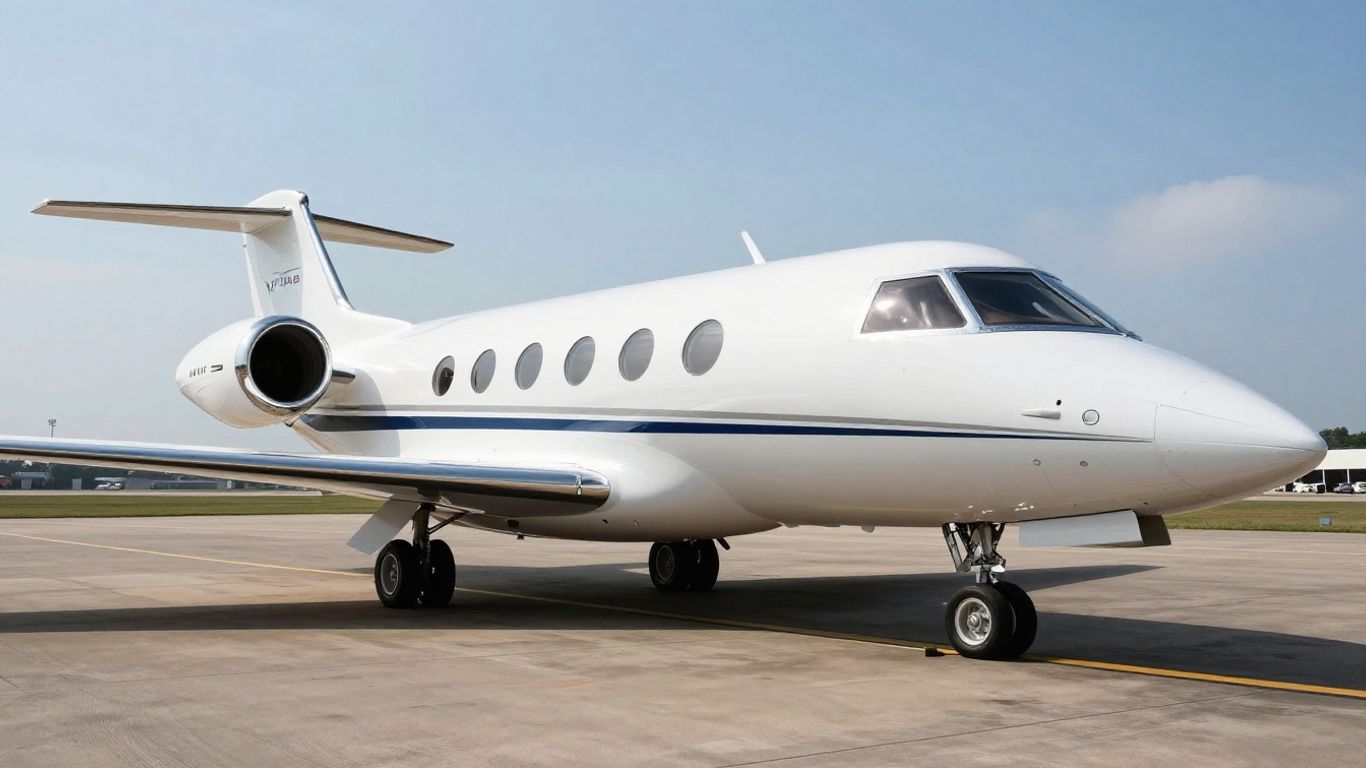
When you think of Formula 1, you probably picture fast cars, glamorous parties, and famous faces. But there’s another side to F1 luxury that most fans never see: the private jet Lewis Hamilton once used to zip around the world. For years, Hamilton’s jet wasn’t just a way to get from race to race—it was a piece of his lifestyle. From how he decorated it to the way it changed his travel routine, this jet was as much a part of his story as his Mercedes. Let’s take a look at what made Hamilton’s jet so special, why he gave it up, and how private jets fit into the world of Formula 1 today.
Key Takeaways
- Lewis Hamilton’s private jet was more than just a way to travel—it was a symbol of his F1 lifestyle and personal taste.
- Private jets help F1 drivers save time, stay comfortable, and avoid crowds and media, especially during busy race weekends.
- Hamilton’s jet featured custom touches and amenities that reflected his personality and need for privacy.
- Environmental concerns and public debate led Hamilton to sell his jet, showing the tension between luxury and responsibility in F1.
- Other F1 drivers, like Max Verstappen, also use private jets, making them a regular part of the sport’s behind-the-scenes logistics.
Inside the Private Jet Lewis Hamilton Once Called Home
Luxurious Features and Design Elements
Lewis Hamilton, a name synonymous with speed and success, once had a private jet that was more than just a way to get from A to B. It was a personal sanctuary, a mobile office, and a space designed for ultimate comfort. While he’s since moved on from owning his own aircraft, the details of his past private plane offer a fascinating look into the lifestyle of an F1 champion. The interior was likely a blend of high-end finishes and practical design, catering to the needs of a global athlete. Think plush seating, ample space for relaxation, and perhaps even custom storage for his gear. It wasn’t just about getting to the next race; it was about arriving refreshed and ready.
Personal Touches Reflecting Hamilton’s Style
Champions often infuse their personal style into every aspect of their lives, and their private jets are no exception. For Hamilton, this meant more than just picking a color scheme. It was about creating an environment that felt like home, even when he was thousands of miles away. While specific details are kept private, it’s easy to imagine touches that reflect his personality – perhaps a sophisticated color palette, high-quality materials, and amenities that supported his well-being. It was a space where he could truly be himself, away from the constant glare of the public eye.
How the Jet Enhanced Hamilton’s Race Weekends
For a Formula 1 driver, time is everything. A private jet significantly streamlines the race weekend experience. Instead of navigating crowded airports and commercial flight schedules, Hamilton could travel on his own terms. This meant:
- Direct travel: Flying directly from his preferred location to the nearest airport to the circuit.
- Flexibility: Adjusting flight times based on testing, media duties, or personal commitments.
- Privacy: Avoiding the hustle and bustle of public travel, allowing for focused preparation.
This ability to control his travel schedule and environment was a significant advantage, allowing him to maximize rest and minimize stress before and after races. It was a tool that supported his performance on the track by optimizing his life off it.
How Lewis Hamilton’s Private Jet Shaped His F1 Lifestyle
Meeting the Demands of a Global Racing Schedule
Traveling from continent to continent for F1 races isn’t just tiring—it’s almost impossible to manage with regular airlines. Hamilton’s private jet wasn’t just a perk, it was a tool. During the busy season, he could go from a Sunday podium to a Monday sponsor event halfway across the globe, all without needing to scramble for flight connections or risk last-minute delays. Here’s what having a jet made possible:
- Book takeoff times aligned with his race and recovery schedule, not someone else’s.
- Skip long airport lines and crowded terminals, saving hours every week.
- Fly directly to small airports near racetracks or sponsor events, avoiding long ground transfers.
| Benefit | Private Jet | Commercial Airline |
|---|---|---|
| Schedule Control | Yes | No |
| Airport Delays | Rare | Common |
| Privacy Level | High | Low |
| Closest Airport | Flexible | Limited |
The F1 calendar is relentless—without a jet, even a champion like Hamilton would be battling fatigue before even setting foot on the track.
Traveling Discreetly: Avoiding Media and Crowds
For stars like Hamilton, just showing up at an airport can turn into an unwanted spectacle, with fans and photographers everywhere. Having his own jet meant he could come and go with almost no attention—sometimes landing at airports with just a handful of staff, or even having a hangar rolled out for total privacy. This kind of discretion:
- Kept media and fan distractions to a minimum
- Gave him space to mentally prepare before race weekends
- Prevented leaks of travel plans or private moments
Hamilton could turn up at a destination rested, relaxed, and ready—often while the rest of the paddock was still wading through customs.
Balancing Comfort with Performance
There’s also the rest and comfort factor. Hamilton’s jet was set up almost like a high-end lounge, with space for stretching out, sleeping properly, or catching up on race footage in peace. These things help him arrive sharp, not bleary-eyed. Here’s what he could do onboard:
- Sleep in a flat bed between continents
- Fit in light exercise or stretching mid-flight
- Hold private team briefings or review videos in quiet
- Eat specific meals his nutritionist recommended
It wasn’t just about luxury—it was about arriving 100% ready to race. For a driver, flying private didn’t just mean arriving in style; often, it was a serious edge against the clock, jet lag, and competition.
Private Jet Lewis Hamilton: More Than Just Transportation
Time-Saving Efficiency for a World Champion
For someone like Lewis Hamilton, whose life revolves around split-second decisions and global travel, time isn’t just money – it’s performance. A private jet cuts out the usual airport hassles. No long security lines, no waiting at the gate, no cramped seats. It means he can get from his home base to the next race track, or back home for a quick break, much faster. Think about it: a quick hop from London to a European Grand Prix might take an hour or two by private jet, versus a whole day when you factor in travel to the airport, check-in, the flight itself, and then getting from the destination airport to the circuit. This efficiency is a big deal when you’re trying to stay sharp and rested.
Crafting Privacy Amidst Public Fame
Being a seven-time world champion means Lewis Hamilton is constantly in the spotlight. Paparazzi, fans, and media are always around. A private jet offers a bubble of privacy that’s hard to find elsewhere. Instead of dealing with crowds at commercial terminals, he can often land at smaller airports closer to race venues and disembark discreetly, sometimes even having the jet towed into a hangar for an even more private exit. This ability to control his environment is key to maintaining focus and avoiding unnecessary distractions that could impact his performance on the track.
Custom Amenities and Ultimate Relaxation
These aren’t just planes; they’re personalized flying spaces. While Hamilton sold his own jet a few years back, the principle remains the same for drivers who use chartered or company aircraft. These cabins are often kitted out with features that allow for relaxation and even work. Imagine plush seating, space to move around, maybe even a private cabin for sleeping or taking calls. It’s about creating a comfortable environment where he can switch off, recharge, or prepare mentally for the intense demands of a Formula 1 weekend. It’s a stark contrast to the typical airline experience, offering a level of comfort and control that aligns with the elite status of a world-class athlete.
The ability to fly directly to smaller airfields near circuits, bypass commercial terminals, and have a controlled environment from tarmac to destination is a significant advantage. It’s not just about luxury; it’s about optimizing every minute and every ounce of energy for peak performance.
The Environmental Impact and Controversies Surrounding F1 Luxury Jets
Addressing Hamilton’s Decision to Sell His Jet
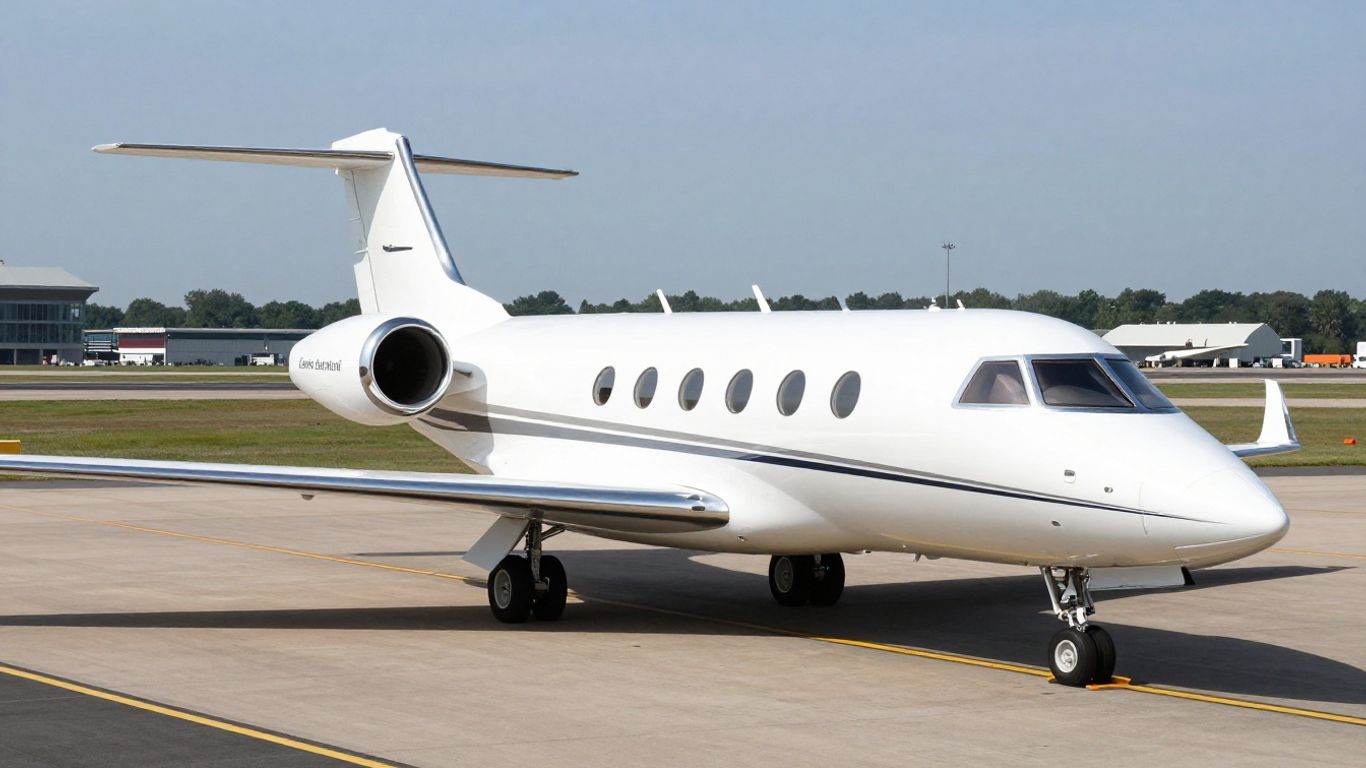
So, Lewis Hamilton used to have his own private jet, a Bombardier Challenger 605, but he sold it back in 2019. This move came after he started thinking more about his environmental impact. It’s a big deal, right? Here’s a guy who’s at the top of his game, traveling the world, and he decides to ditch the private plane. It shows that even in the super-rich world of F1, people are starting to pay attention to sustainability.
Sustainability Questions in Elite Sports Travel
Look, Formula 1 is all about speed and pushing limits, but it also comes with a pretty hefty carbon footprint. Private jets are a huge part of that. While they offer unmatched convenience and privacy for drivers like Lewis Hamilton and others, the environmental cost is hard to ignore. Think about it: a single flight can pump out tons of CO2. It’s a tough question – how do you balance the demands of a global sport with the need to protect the planet?
- Carbon Emissions: Private jets release significantly more carbon dioxide per passenger than commercial flights. Some estimates suggest it can be up to 50 times more.
- Resource Consumption: The manufacturing and maintenance of these large aircraft also require substantial resources.
- Symbolism: For many, seeing multi-million dollar jets used for relatively short trips sends a message that doesn’t align with broader environmental goals.
Public Reactions and the Ongoing Debate
It’s not just Lewis Hamilton who’s faced questions about this. Whenever a driver arrives in a flashy private jet, you can bet there’s chatter online. Fans and environmental groups often point out the contrast between the sport’s eco-messages and the reality of its travel habits. It’s a conversation that’s definitely not going away anytime soon. People are watching, and they expect more accountability, especially from high-profile athletes.
The convenience of private air travel for F1 stars is undeniable, offering a way to manage demanding schedules and maintain privacy. However, this luxury comes with a significant environmental price tag, sparking necessary debates about sustainability within elite sports and the broader implications of high-carbon travel choices in an era increasingly focused on climate action.
The debate really boils down to whether the benefits of private jet travel for F1 drivers outweigh the environmental consequences. It’s a complex issue with no easy answers, and it’s likely to remain a talking point for years to come as the world grapples with climate change.
Comparing F1 Drivers’ Private Jet Choices Beyond Hamilton
Max Verstappen’s Falcon 8X: A Rival’s Statement
While Lewis Hamilton once owned a private jet, Max Verstappen is currently the only driver on the grid known to own his own aircraft. He flies a Dassault Falcon 8X, a seriously impressive plane that reportedly set him back around $50 million. This isn’t just a way to get from A to B; it’s a statement. The Falcon 8X is known for its long-range capabilities and spacious cabin, perfect for a world champion who needs to travel globally and arrive refreshed. It’s a different approach compared to Hamilton’s previous jet, showing how personal preferences and status play a role in these high-stakes decisions.
How the Jet Roster Reflects Driver Status
Looking at the types of jets that show up at Grand Prix weekends tells you a lot. You see everything from smaller Learjets, like the one Lando Norris has used, to larger, more luxurious options. For instance, a Dassault Falcon 2000 has been spotted carrying a whole crew of drivers and their companions, including Fernando Alonso, Valtteri Bottas, and Oscar Piastri. This kind of group charter highlights how jets are used not just by individuals but also for transporting entire racing entourages. It’s a bit like a flying paddock, really.
Here’s a quick look at some common aircraft types and what they might signify:
- Learjet 60: Often used for shorter hops, suggesting efficiency for drivers based closer to European circuits.
- Bombardier Challenger 604/605: A popular choice, offering a good balance of range and cabin space for medium to long distances.
- Dassault Falcon 8X/2000: These larger jets point towards drivers who prioritize maximum comfort, space, and the ability to carry more people or equipment.
The Role of Jets in Team Logistics at Races
It’s not just the drivers, either. Team principals, engineers, and even support staff often fly privately to ensure they can get to races quickly and efficiently. Think about it: a team boss might need to be at the factory one day and then at the track the next. A private jet makes that possible without losing precious time. For example, VCARB CEO Peter Bayer has been seen flying in on a Cessna Citation CJ3+, cutting down a long drive to a manageable flight. This kind of travel is key to keeping the complex machinery of Formula 1 running smoothly.
The convenience of private aviation for F1 personnel goes beyond personal luxury; it’s a strategic tool for managing demanding schedules and maintaining a competitive edge. The ability to bypass commercial airport delays and fly directly to smaller, closer airfields means more time for preparation and less stress before a race.
Ultimately, the choice of private jet is a blend of personal taste, logistical necessity, and a reflection of a driver’s standing in the sport.
The Cost of F1 Luxury: What It Takes to Fly Like Lewis Hamilton
So, what’s the deal with private jets and F1 drivers like Lewis Hamilton? It’s not just about showing off, though let’s be real, it’s pretty fancy. For someone at the top of their game, like Lewis, time is seriously money. Hopping on a private jet means skipping the airport chaos, the security lines, and all that waiting around. It’s about getting from point A to point B as quickly and comfortably as possible, so they can focus on the race, not on travel headaches.
Estimating the Price Tag for a Private Jet Lewis Hamilton Used
When Lewis Hamilton had his own jet, a Bombardier Challenger 605, it was a big deal. These things aren’t cheap, not even close. We’re talking millions just to buy one. His particular jet was estimated to be worth around $29 million back when he owned it. And that’s just the sticker price. Owning a jet means a whole lot of other costs pile up, year after year.
Operating Expenses Versus Commercial Travel
Flying private racks up some serious bills. Think about it:
- Fuel: This is a big one, especially for longer trips.
- Maintenance: Jets need constant upkeep to stay safe and airworthy.
- Crew Salaries: Pilots and flight attendants need to be paid.
- Hangar Fees: You’ve got to store the thing somewhere when it’s not flying.
- Insurance: Protecting a multi-million dollar asset isn’t cheap.
When you stack that up against commercial flights, even first class, the difference is huge. A commercial ticket might cost a few thousand dollars, while a private jet charter for a similar trip could easily run into tens of thousands, or even more, depending on the plane and the distance. For Lewis, though, the trade-off was likely worth it for the privacy and time saved.
Investment Versus Image in Top-Tier Motorsport
For drivers like Lewis, a private jet is more than just a way to get around. It’s part of the whole package. It signals success, status, and a certain level of exclusivity that comes with being a world champion. While some might see it as an unnecessary expense, it can also be viewed as an investment in their personal brand and their ability to perform at the highest level by minimizing distractions and maximizing rest. It’s a tough balance, for sure.
The reality of F1 is that every second counts, both on and off the track. For drivers operating at the peak of their abilities, the ability to control their travel environment, maintain privacy, and arrive at their destination refreshed is paramount. This level of convenience comes with a significant financial commitment, far beyond what most people would ever consider for travel.
Lewis Hamilton’s Jet-Set Lifestyle: Off-Track Adventures
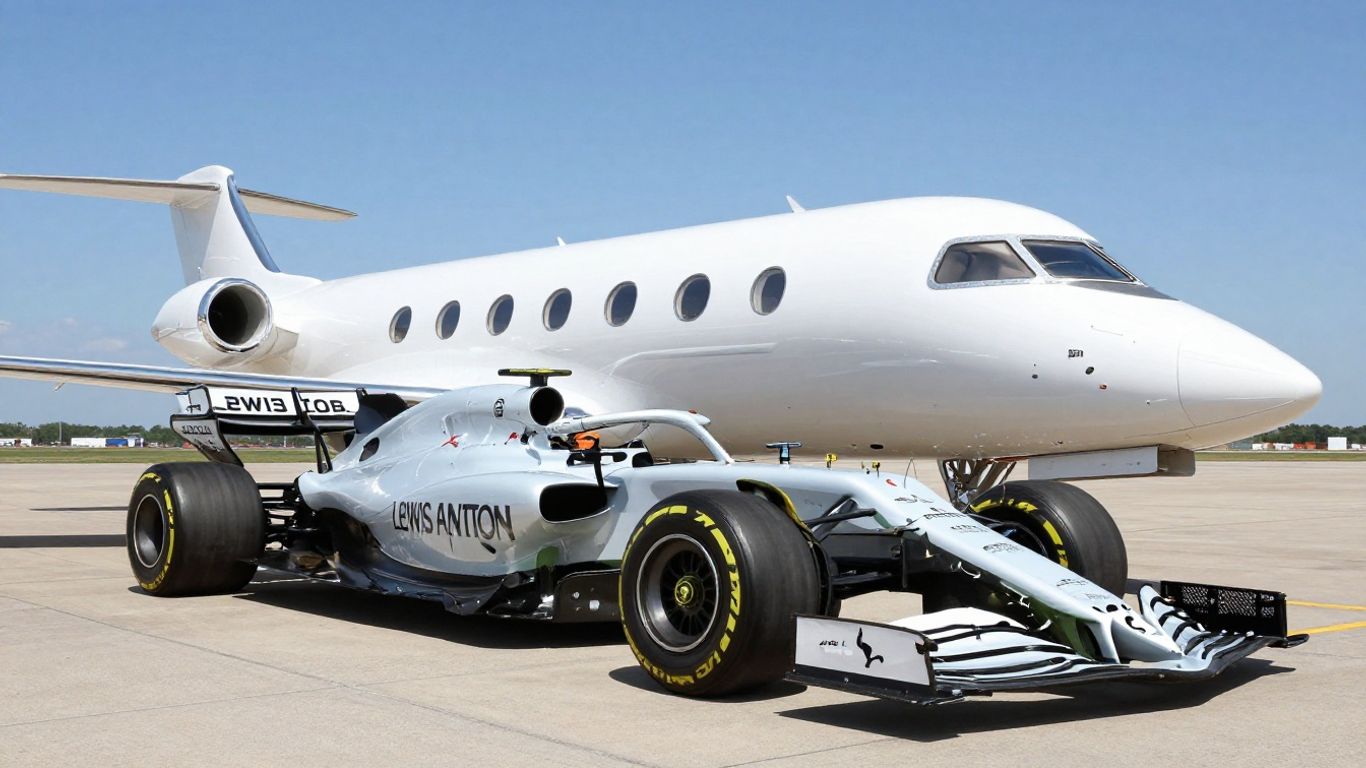
When Lewis Hamilton isn’t pushing the limits on the track, his life often involves a different kind of speed and luxury – jetting off to exotic locations and enjoying the finer things. His private jet wasn’t just a way to get from A to B; it was a launchpad for a lifestyle that blended high-octane racing with equally high-octane leisure. Think spontaneous trips to sun-drenched coastlines, exclusive parties, and moments of pure relaxation, all facilitated by the freedom of private air travel.
Instagram Glimpses: Parties and Mediterranean Getaways
Hamilton has a knack for sharing snippets of his off-duty life with his followers, and these glimpses often paint a picture of pure indulgence. We’ve seen him celebrating in style, whether it’s aboard a superyacht off the coast of Monaco or enjoying downtime in picturesque settings. These moments, often shared via social media, show a different side to the focused athlete, one who knows how to unwind and enjoy the fruits of his labor. It’s a world away from the pressure cooker of Formula 1, showcasing a relaxed and celebratory atmosphere.
How Hamilton’s Travels Inspire Fans Globally
For many fans, seeing Lewis Hamilton’s adventures provides a dose of aspirational escapism. His travels aren’t just about luxury; they often highlight incredible destinations and experiences that capture the imagination. From the vibrant energy of Monaco to serene Mediterranean landscapes, these journeys offer a visual feast. It’s a reminder that the world is vast and full of possibilities, and that dedication can lead to extraordinary opportunities. His journeys often spark conversations about travel and lifestyle choices, connecting with a broad audience beyond just motorsport enthusiasts.
Connections Between Air, Land, and Sea Luxury
Hamilton’s lifestyle often involves a seamless transition between different modes of high-end transport. The private jet might take him to a coastal city, where a luxury yacht awaits for a Mediterranean cruise, or perhaps a high-performance car is ready for a spin on scenic routes. This integration of air, land, and sea travel speaks to a broader appreciation for sophisticated experiences. It’s about maximizing enjoyment and comfort, no matter the setting. The ability to move effortlessly between these luxurious environments is a hallmark of his jet-set existence.
The freedom afforded by private aviation allows for a dynamic lifestyle, enabling quick transitions between demanding professional commitments and much-needed personal rejuvenation. This flexibility is key to maintaining peak performance and enjoying the diverse experiences the world has to offer.
Here’s a look at some of the elements often associated with his off-track pursuits:
- Exclusive Destinations: Frequent visits to places like Monaco, Ibiza, and the French Riviera.
- Luxury Vessels: Enjoying time on some of the world’s most impressive private yachts.
- Social Gatherings: Participating in high-profile events and parties.
- Adventure Activities: Engaging in sports like jet-skiing and surfing.
While the specifics of his travel plans remain private, the occasional shared moments offer a fascinating look into the life of a global sports icon. It’s a testament to the opportunities that come with being one of the greatest drivers in Sir Lewis Hamilton‘s sport.
The Takeaway: More Than Just a Ride
So, when you see Lewis Hamilton or any other F1 star pulling up in a private jet, it’s not just about showing off. It’s a smart move for them, really. It saves them tons of time, keeps them away from the crowds, and lets them focus on what they do best – racing. Sure, there’s the whole environmental chat that comes up, and that’s a fair point to bring up. But for these athletes, the convenience and privacy these planes offer are pretty hard to pass up. It’s just another part of the whole high-speed, high-stakes world of Formula 1, showing us a little peek into how these guys manage their crazy schedules.
Frequently Asked Questions
Did Lewis Hamilton own a private jet?
Yes, Lewis Hamilton used to own a private jet, a Bombardier Challenger 605. He sold it a few years ago, partly because of worries about its impact on the environment. Now, he sometimes uses other private planes for travel.
Why do F1 drivers like Lewis Hamilton use private jets?
F1 drivers choose private jets for a few big reasons. It saves them a lot of time, letting them get to races faster and more directly. It also gives them much-needed privacy away from crowds and media, and it’s a really comfortable way to travel, which helps them get ready for races.
How much does a private jet like Lewis Hamilton’s cost?
The cost of private jets can be very high. Lewis Hamilton’s old jet was worth around $29 million. On top of buying it, there are also big yearly costs for things like fuel, maintenance, and airport fees, often costing over a million dollars each year.
Are private jets bad for the environment?
Private jets create a lot more pollution per person compared to flying on regular airplanes or other forms of transport. This is a big concern for many people, including Lewis Hamilton himself, who decided to sell his jet partly because of these environmental issues. It’s a topic that sparks a lot of discussion in sports.
Do other F1 drivers use private jets too?
Absolutely! Many F1 drivers, like Max Verstappen and Fernando Alonso, use private jets. Max Verstappen even owns his own very expensive jet. These planes are common for drivers, team bosses, and staff to manage busy schedules and travel efficiently.
Where do F1 drivers land their private jets for races?
For races like the Belgian Grand Prix, drivers often land at smaller airports close to the race track, like Liège Airport, which is near Spa-Francorchamps. This helps them avoid the big crowds and hassle of major airports and gets them closer to the action faster.