
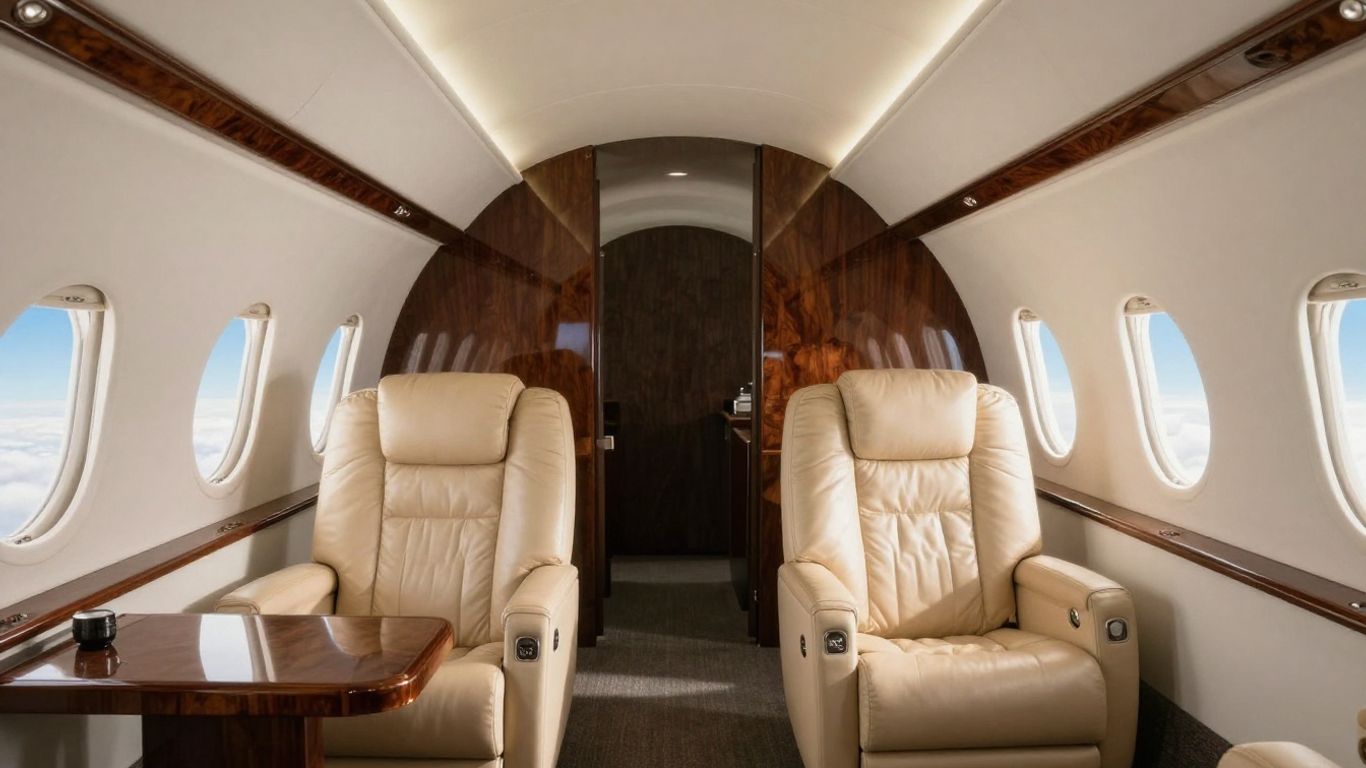
Thinking about flying private, maybe with NetJets? It’s a big decision, and figuring out the cost of NetJets per hour can feel like a puzzle. There are a lot of moving parts, from the type of plane you fly on to when you fly. This guide is here to break it all down, so you know exactly what you’re getting into and can make the best choice for your travel needs.
Key Takeaways
- The cost of NetJets per hour isn’t just one number; it’s made up of a base rate, fuel charges that can change, and airport fees.
- What kind of jet you pick, how far you’re going, and even the time of year all play a big role in how much you’ll pay.
- Compared to other ways to fly private, like chartering or fractional ownership, a jet card offers a different set of benefits and costs to consider.
- Beyond the card itself, think about extra expenses like food, drinks, and getting to and from the airport. These add up.
- The main draw of a NetJets card is having a plane ready when you need it and knowing your costs ahead of time, which can be a real plus for frequent flyers.
Understanding the Core Cost of NetJets Per Hour
When you’re looking at private jet travel with NetJets, especially their 25-hour card, the first thing on your mind is probably the price. It’s not as simple as just a single number, though. There are a few main things that make up the core cost of flying per hour.
Decoding the Base Hourly Rate
The base hourly rate is pretty much the foundation of what you pay. This is the cost for each hour the plane is actually in the air. It covers the basic operational expenses of the aircraft. Think of it like the sticker price on a car – it’s the starting point. This rate can change depending on the specific aircraft you choose from NetJets’ fleet. The bigger and more luxurious the jet, the higher this base rate will generally be. It’s what keeps the plane maintained, pays the pilots, and covers the general upkeep needed to keep everything running smoothly.
Aircraft Size and Its Impact on Pricing
NetJets has a wide range of aircraft, and this is a big factor in your hourly cost. They categorize their planes, and each category has a different price tag. For example:
- Light Jets: These are typically the most economical. They’re great for shorter trips with a smaller number of passengers.
- Midsize Jets: These offer a bit more space and range, often striking a good balance for many travelers.
- Heavy Jets: These are the largest and most comfortable, designed for longer flights and larger groups. They come with the highest hourly rates.
So, if you need to fly with a larger group or want more room to stretch out, you’ll be looking at a higher hourly rate because you’ll need a bigger aircraft.
The Role of Fuel Surcharges and Market Fluctuations
Beyond the base rate, fuel costs are a significant part of private aviation expenses. While many jet card programs, including NetJets, aim to provide predictable pricing, fuel prices can change. Sometimes, a fuel surcharge is added to your bill, which can go up or down depending on what’s happening in the global fuel market. It’s important to understand how NetJets handles these fluctuations. Some agreements might include fuel in the base rate, while others might have a separate, variable surcharge. This can make a difference in your total cost, especially if you fly frequently or during periods of high fuel prices.
Understanding these core components – the base hourly rate, how aircraft size affects it, and how fuel costs are managed – is the first step to grasping the overall expense of flying with NetJets. It’s not just one number; it’s a combination of factors that determine your per-hour cost.
Factors Influencing Your NetJets Hourly Rate
So, you’re looking at the NetJets 25-hour card and wondering what makes the price tick. It’s not just a flat rate, you know. Several things play a role in how much you’ll end up paying for those hours in the sky.
Peak Versus Off-Peak Travel Considerations
When you decide to fly really matters. If you’re trying to book a flight during a super busy holiday weekend or a major event, you’re probably going to pay more. These are what they call ‘peak days.’ On the flip side, flying during a less busy time, like a Tuesday afternoon in October, will likely be cheaper. NetJets, and the private aviation industry in general, often has different pricing structures for peak and off-peak travel. It’s all about supply and demand, just like anything else.
It’s always a good idea to check the provider’s calendar for peak days when you’re planning your travel. Sometimes shifting your trip by just a day or two can lead to noticeable savings.
Geographic Service Areas and Potential Surcharges
Where you’re flying to and from can also affect the cost. While NetJets has a wide reach, certain areas might have additional fees. This could be due to higher operating costs in specific regions, landing fees at certain airports, or even weather-related operational complexities. For instance, flying into a very remote location or an airport with limited facilities might incur extra charges. It’s worth checking if your typical travel routes fall into any of these higher-cost zones. You can find more details on their service areas and any associated fees when you look into a NetJets card.
Airport Fees and Handling Costs
When you land at an airport, there are fees involved. These aren’t usually part of the hourly rate you see upfront. They cover things like landing permits, using the airport’s facilities, and ground handling services – basically, getting the plane ready for its next flight. These fees can vary a lot from one airport to another, depending on the airport’s size and location. So, where you fly into and out of can add to the total bill.
Here’s a general idea of how different airport types might affect these costs:
| Airport Type | Typical Landing Fee | Typical Handling Fee |
|---|---|---|
| General Aviation | $100 – $1,500 | $50 – $1,000 |
| Major International | $500 – $5,000 | $250 – $3,000 |
Remember, these are just estimates, and actual fees can fluctuate based on the specific airport and services used.
Beyond the Flight: Additional Costs to Consider
So, you’ve got your hourly rate sorted, but what else pops up on the bill? Private aviation is pretty slick, but it’s not just about the time spent in the air. There are a bunch of other things that can add to the total cost, and it’s smart to know about them before you book.
Identifying Potential Hidden Fees
Sometimes, the advertised price doesn’t tell the whole story. You’ve got to look a bit closer. Think about these:
- Peak Day Surcharges: Flying during holidays or major events? Expect a higher price tag. The agreement should spell out which days are considered peak and what the extra charge is.
- Fuel Surcharges: Even if fuel is generally included, market prices can swing. Some contracts have a fuel surcharge that adjusts based on global oil prices. It’s a variable cost you need to watch.
- International Fees: Planning a trip outside the continental U.S.? You’ll likely face extra charges for customs, permits, and handling in foreign countries. These can add up fast.
- Service Fees: Occasionally, there might be small administrative or service fees applied per flight or even monthly. It’s worth clarifying these upfront.
It’s always a good idea to get a detailed breakdown of what’s included in your hourly rate and what potential extra charges might apply. Don’t be afraid to ask for clarification; it’s your money, after all.
Ancillary Charges for In-Flight Services
Want something special during your flight? That’s where ancillary charges come in. While NetJets often includes a good level of service, going above and beyond the standard can mean extra costs. This could be anything from a specific gourmet meal you requested to premium beverages not typically stocked on the aircraft. The more customized your in-flight experience, the more likely you are to incur additional charges. It’s like ordering off-menu at a fancy restaurant – you’re paying for that special request.
International Travel Considerations
Taking your flight across borders introduces a new layer of potential costs. When you fly internationally, you’ll need to account for things like customs and immigration processing, which often come with their own fees. Landing fees in foreign countries can also vary significantly, as can the charges for ground handling services. Some countries might require special permits or have specific airspace regulations that add to the expense. While providers like NetJets typically manage the complex paperwork involved, these international charges are usually passed on to the traveler. It’s wise to inquire about these potential costs well in advance if your travel plans include international destinations. Understanding these extra fees is part of planning your trip effectively.
Here’s a general idea of what some airport and handling fees might look like, though these can fluctuate:
| Jet Type | Estimated Landing Fee ($) | Estimated Handling Fee ($) |
|---|---|---|
| Light Jet | 500 | 300 |
| Midsize Jet | 1,000 | 500 |
| Heavy Jet | 1,500 | 700 |
The Value Proposition of a NetJets Jet Card
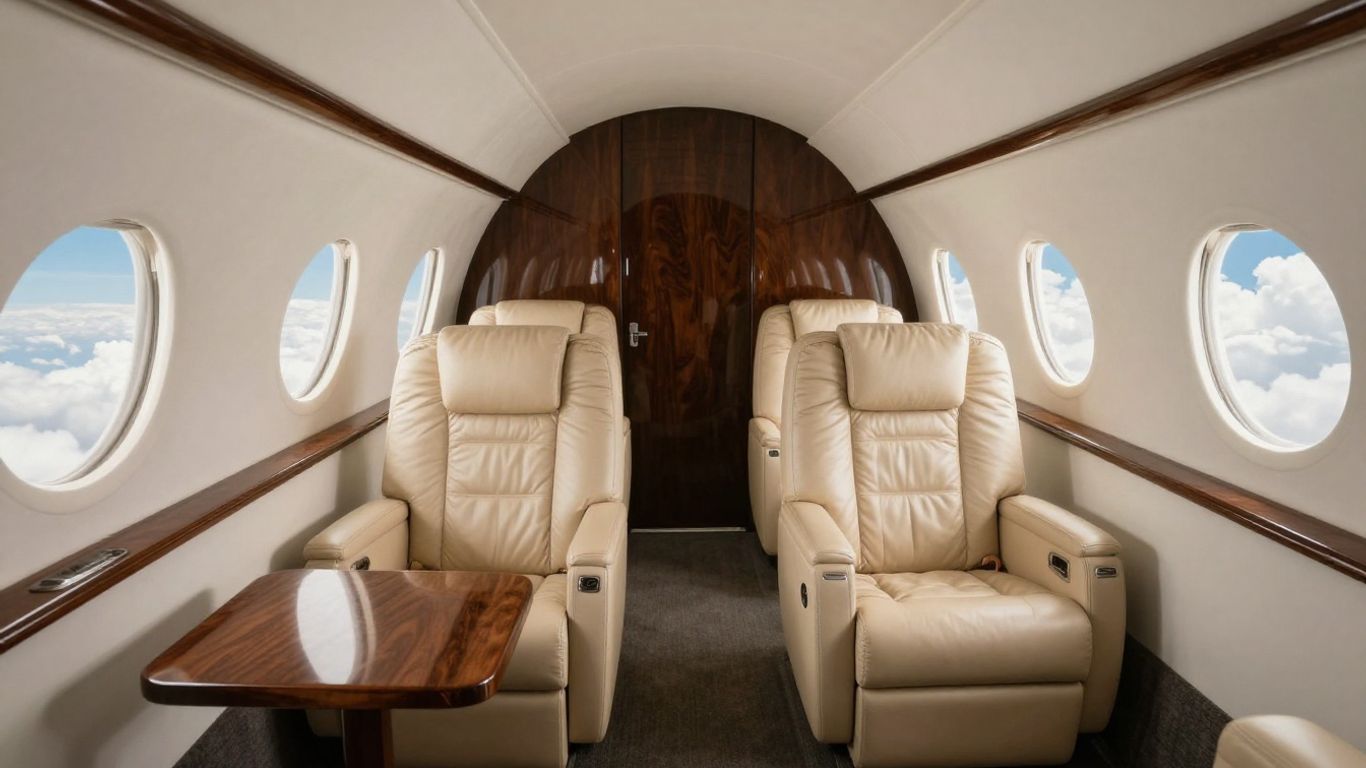
So, you’re looking at a NetJets 25-hour card. It’s a pretty common way people get into private flying without the huge commitment of owning a jet outright. Think of it as a way to have a private plane ready for you, but without all the headaches that come with ownership. It really boils down to a few key things that make flying privately more accessible and, importantly, more predictable.
Key Benefits of a 25-Hour Jet Card
- Guaranteed Availability: This is a big one. When you have a card, NetJets guarantees you’ll get a jet. No more last-minute scrambles or finding out everything is booked, especially during busy holiday seasons or peak travel times. It’s like having your own personal airline on standby.
- Simplified Budgeting: Forget those fluctuating charter rates that can jump around based on fuel prices or demand. With a 25-hour card, you lock in a price per hour. This makes planning your travel expenses so much easier, whether for business or personal trips.
- Access to a Fleet: You get to fly on a range of aircraft within the NetJets program, often with the ability to choose the right size jet for your specific trip. This flexibility is a step up from booking a single charter.
Predictable Pricing and Guaranteed Availability
One of the main reasons people opt for a jet card is the peace of mind it provides. You know what you’re paying per hour, and you know a plane will be there when you need it. This certainty is invaluable for anyone whose schedule can’t afford to be disrupted by travel issues. It removes a lot of the guesswork and stress from private aviation.
The core value here is transforming private air travel from a variable, often complex, expense into a managed, reliable service. It’s about securing your time and focusing on your destination, not the logistics of getting there.
Service Enhancements and Convenience Factors
Beyond just the flight itself, NetJets cards often come with a suite of service enhancements. Think about things like priority boarding, dedicated customer service representatives, and often, more flexibility with scheduling changes. You might also find that catering options are more refined, and ground transportation can be arranged more easily. These little extras add up, contributing to a more comfortable and efficient travel experience overall. It’s about the complete journey, not just the time spent in the air. For those who value convenience and a high level of service, these perks are a significant part of the value proposition. It’s about making travel as smooth as possible, from the moment you book until you reach your final destination. This focus on the client experience is what sets many jet card programs apart from other private aviation solutions, offering a more curated way to fly.
Safety and Operational Excellence in NetJets Pricing
When you’re looking at the cost of a NetJets 25-hour card, it’s not just about the flight time itself. A significant part of what you’re paying for is the assurance that comes with their dedication to safety. Private flying isn’t quite like commercial travel; the standards are higher, and so are the expectations. NetJets, like other leading providers, puts a lot of resources into making sure everything, from the aircraft to the flight crews, meets very strict safety benchmarks. This commitment to a higher standard is a core component of their pricing structure.
Understanding Third-Party Safety Ratings
You’ll often hear about organizations like ARGUS and Wyvern. These aren’t just names; they’re independent groups that thoroughly review an operator’s safety record. Think of them as independent inspectors for private aviation. They examine everything: how well the planes are maintained, how pilots are trained, the company’s overall safety culture, and even how they handle unexpected situations. Achieving a top rating from these bodies, such as ARGUS Platinum or Wyvern Wingman, shows a company is voluntarily going well beyond the basic government requirements. It’s a clear signal they take safety seriously, and that level of diligence naturally costs money.
How Safety Investments Impact Card Costs
So, how does all this safety focus affect the price of your 25-hour card? It adds up. Keeping a fleet in top condition according to these high standards means more frequent and detailed inspections, using quality parts, and investing in the latest safety technology. Pilot training is also a significant expense; it involves ongoing education, simulator sessions, and regular checks. Furthermore, companies that prioritize safety often have more robust operational procedures and better support staff. All these elements contribute to the overall cost of running the business, and that cost is reflected in the price of a jet card.
NetJets’ Commitment to Operational Excellence
NetJets has a long history, and they’ve built their reputation on being reliable and safe. They manage a large fleet, which involves many moving parts. This includes everything from secure hangar facilities to on-site maintenance capabilities. Having quick access to skilled technicians can mean less downtime for the aircraft, which is a big plus for customers. They also have clear policies for things like cancellations and rescheduling, which adds to the predictability of the service. When you’re comparing jet cards, remember that the cheapest option isn’t always the best. The price often reflects the level of safety, service, and reliability you can expect. A provider that invests in rigorous safety standards and transparent operations is likely to offer a more secure and consistent travel experience. For instance, their consistent availability is a key benefit for frequent flyers, allowing for short-haul flights without extra charges.
Here’s a look at what goes into those safety standards:
- Aircraft Maintenance: Rigorous schedules, quality parts, and advanced diagnostics.
- Pilot Training: Continuous education, simulator sessions, and recurrent checks.
- Operational Procedures: Strict protocols for flight planning, weather monitoring, and emergency response.
- Fleet Management: Ensuring aircraft are always in optimal condition and readily available.
When evaluating private aviation options, it’s important to look beyond just the hourly rate. The investment a company makes in safety and operational integrity directly impacts the reliability and security of your travel. This is a key differentiator that justifies the cost associated with premium providers like NetJets.
Maximizing Your NetJets 25-Hour Card Investment
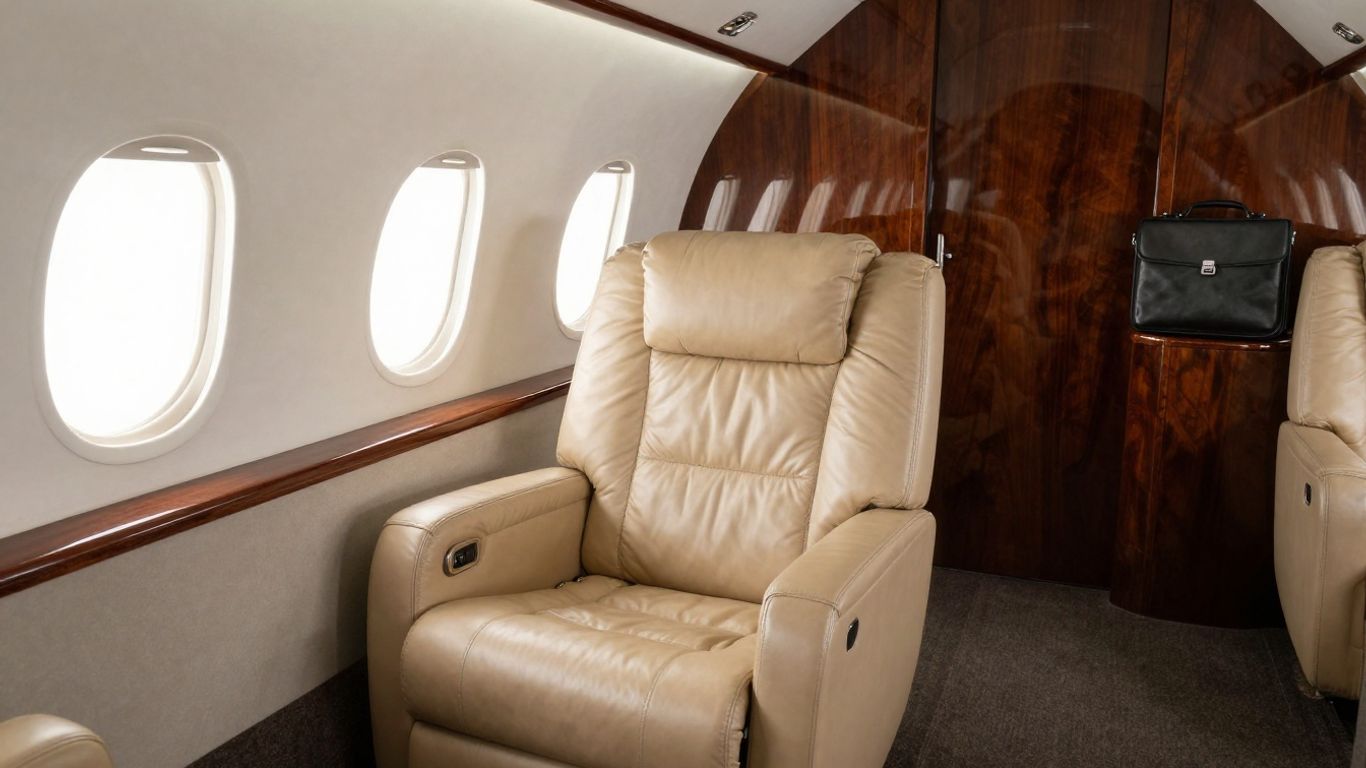
So, you’ve got your NetJets 25-hour card. That’s a great step towards making private travel more accessible and predictable. But how do you really get the most out of it? It’s not just about having the hours; it’s about using them wisely. Think of it like having a subscription to a service – you want to make sure you’re taking full advantage of all it offers.
Strategic Planning for Optimal Value
Getting the best value from your card often comes down to smart planning. While the 25-hour card offers a lot of predictability, understanding when you fly can sometimes lead to a smoother experience. If your schedule allows, try to avoid the busiest travel days, like Friday afternoons or Sunday evenings. Flying mid-week, perhaps on a Tuesday or Wednesday, can sometimes mean less demand and a more relaxed journey. Booking further in advance, especially for longer trips or during popular holiday periods, also helps ensure you get the aircraft you want.
- Consider flying mid-week for potentially less crowded airports.
- Book longer trips well in advance to secure your preferred aircraft.
- Be aware of any potential surcharges for specific dates or destinations.
The convenience of knowing your aircraft is secured and your costs are predictable allows you to focus entirely on the purpose of your travel, whether it’s a critical business meeting or a much-needed family getaway.
Comparing NetJets to Other Private Aviation Options
When you’re looking at private aviation, there are a few main ways to go. On-demand charter is like paying for each trip as it comes – good if you fly only occasionally. Fractional ownership is for those flying 50+ hours a year, where you buy a piece of a plane. The NetJets 25-hour card fits nicely in the middle. It’s a step up from charter, offering a set rate and guaranteed availability, without the large commitment of ownership. This makes it a solid choice for those who fly a moderate amount but want consistency and reliability. It’s a way to get many of the perks of private travel without the massive financial tie-in.
| Program Type | Commitment Level | Pricing Structure | Availability Guarantee |
|---|---|---|---|
| On-Demand Charter | Low | Per Trip Quote | Varies |
| NetJets 25-Hour Card | Medium | Fixed Hourly Rate | Guaranteed |
| Fractional Ownership | High | Ownership Share | High |
Making the Most of Your Pre-Purchased Hours
One of the biggest draws of a card like this is the guaranteed availability. This means you can often book with as little as 24 hours’ notice, which is pretty good for private aviation. Don’t hesitate to use this benefit when you need it for last-minute plans. However, giving more notice when possible helps NetJets manage their fleet more effectively, which benefits everyone. Beyond the flight itself, remember that your card often comes with service enhancements. Think about priority boarding and dedicated customer service. These extras contribute to a more comfortable and efficient travel experience overall, making the entire journey smoother from start to finish. This level of certainty is a major reason why many choose a card over ad-hoc chartering, providing a more curated way to fly [2c2d].
So, What’s the Bottom Line?
Alright, so we’ve gone over a lot of details about the NetJets 25-hour card. It’s clear that the price isn’t just a single number you see advertised. Things like the size of the jet you pick, when you decide to fly, and even where you’re headed all play a part in the final cost. Plus, don’t forget about those extra fees that can pop up, like for peak travel times or landing at certain airports. Ultimately, understanding all these pieces helps you figure out if a NetJets card really fits how you like to travel. It’s a big decision, for sure, but hopefully, this breakdown makes it a bit easier to get your head around.
Frequently Asked Questions
What factors determine the cost of flying with NetJets?
The price you pay for flying with NetJets isn’t just one number. It’s a mix of things. The type of jet you choose is a big one – smaller jets usually cost less per hour than bigger, fancier ones. When you fly also matters; traveling during busy times like holidays will cost more than flying on a regular weekday. Plus, things like fuel prices can change, and there are airport fees for landing and using their services.
How does the size of the aircraft affect the hourly rate?
Think of it like renting different types of cars. A small, efficient car is cheaper than a big, luxury SUV. The same goes for jets. Smaller jets, often called light jets, are generally more affordable per hour because they use less fuel and are less costly to maintain. Larger jets, like heavy jets, offer more space and range but come with a higher hourly price tag.
Are there extra costs beyond the basic hourly rate on a NetJets card?
Yes, there can be. While the card covers your flight time, you might run into extra charges. Things like special catering requests, in-flight Wi-Fi, or even ground transportation arranged for you could add to the cost. If you plan international trips, there might be additional fees for permits or special handling.
How does flying during peak times affect the price?
When you fly during periods of high demand, like major holidays or special events, you’ll likely see higher prices. These are known as ‘peak days.’ NetJets, like many in the private aviation world, adjusts prices based on demand. So, flying during a less busy time can often save you money.
What’s the main advantage of a NetJets 25-hour jet card?
A big plus is the predictability and convenience. You pre-pay for a block of hours, which usually means you get a set hourly rate, making it easier to budget. Plus, NetJets often guarantees availability, meaning you can book your flights with relatively short notice, which is great for busy schedules. It offers a way to fly privately without the full commitment of owning a jet.
How does NetJets ensure safety, and how does that relate to the cost?
NetJets invests a lot in safety, which is a key part of their service. This includes rigorous maintenance for their aircraft, extensive training for pilots, and adhering to high operational standards, often verified by independent safety organizations. These investments in safety and operational excellence are crucial for providing a secure flying experience, and they are factored into the overall cost of their services.