
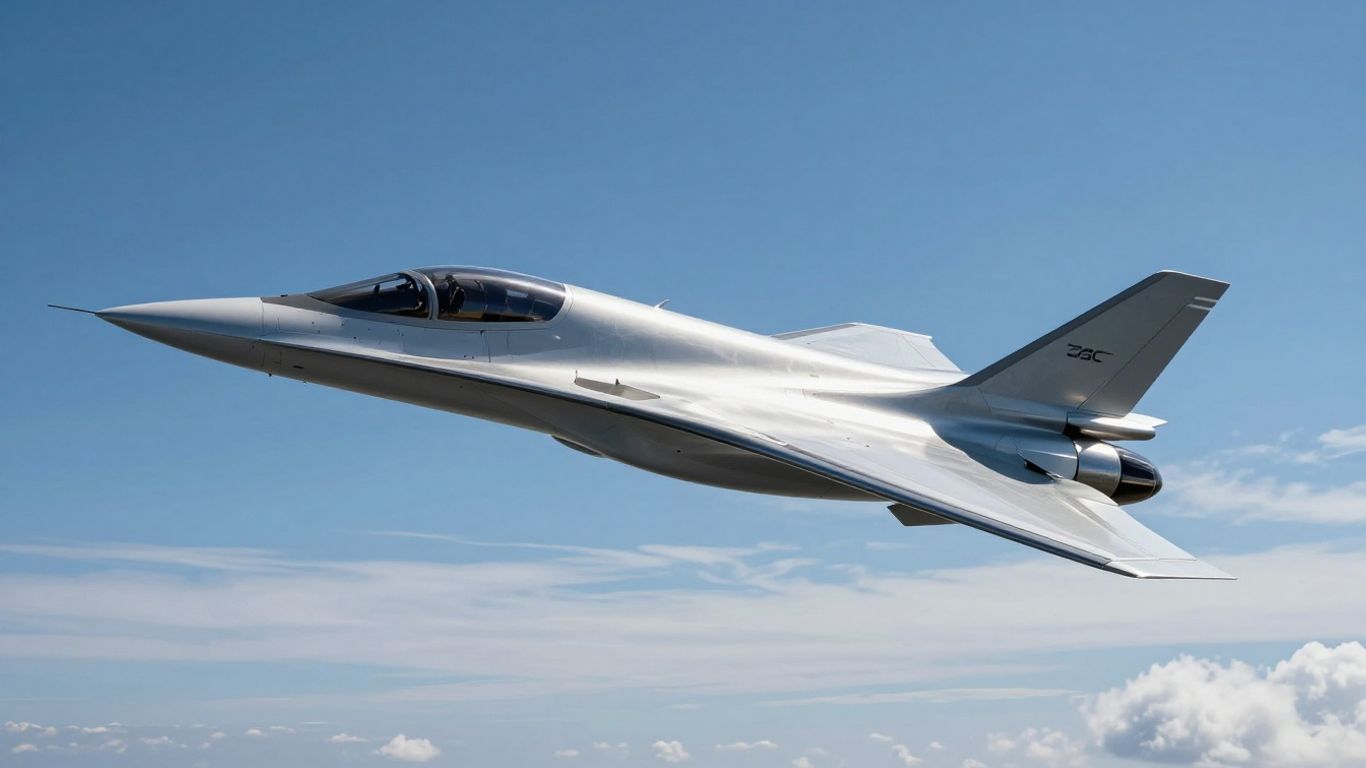
Thinking about hopping on a supersonic jet? Aerion’s AS2 is aiming to make that a reality, but it comes with a hefty price tag. We’re going to break down what goes into the aerion as2 price, what makes it different from older supersonic planes, and what it means for the future of high-speed travel. It’s a complex topic, but we’ll try to keep it simple.
Key Takeaways
- The aerion as2 price is influenced by advanced technology, new materials, and the overall development costs of a cutting-edge supersonic aircraft.
- Aerion is using new engine tech from General Electric and advanced airframe designs, partly thanks to new materials like composites, to improve on Concorde’s limitations.
- The AS2 aims for a greener flight path, with plans to use sustainable fuels and reduce its environmental footprint.
- Solving the sonic boom issue is a big deal for the AS2, with a focus on ‘Mach Cutoff’ technology to allow for quieter flights over land.
- Aerion is building a new manufacturing hub called Aerion Park and working with partners like Spirit Aerosystems and Honeywell to bring the AS2 to market, though regulatory approval for supersonic flight over land is still a hurdle.
Understanding The Aerion AS2 Price Point
Factors Influencing The Aerion AS2 Price
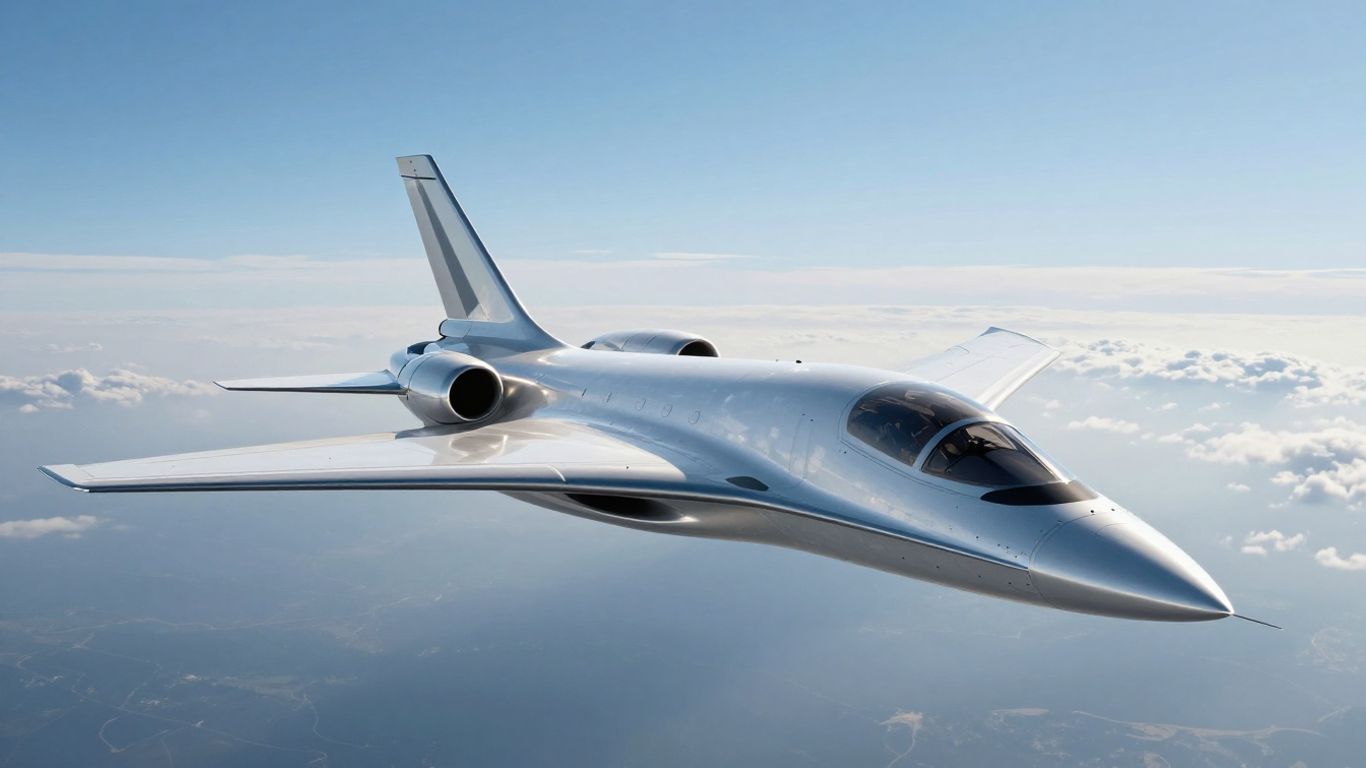
So, what’s the deal with the Aerion AS2’s price tag? It’s not just about slapping a few engines on a sleek frame. A lot goes into making a supersonic jet a reality, and that complexity adds up. Think about the advanced materials needed – we’re talking composites that can handle extreme speeds and temperatures, which aren’t exactly cheap. Then there’s the engine technology. General Electric’s ‘Affinity’ engine, a relative of the workhorse CFM56 but tweaked for supersonic flight, represents a significant investment in research and development. This engine is designed to be efficient at both supersonic and subsonic speeds, a big step up from older designs like Concorde’s, which were pretty much one-trick ponies. The airframe itself is a marvel of engineering, shaped using principles like the ‘area rule’ to minimize drag at high speeds. This intricate design requires specialized manufacturing processes and skilled labor, all contributing to the final cost.
Comparing Aerion AS2 Price To Competitors
When you look at the price of the Aerion AS2, it’s important to remember it’s not really competing with your average business jet. It’s in a class of its own, really. The closest historical comparison is the Concorde, but that was a commercial airliner, not a private jet, and its operating costs were astronomical. For a business jet, the AS2 aims to offer a unique capability: cutting travel times dramatically. While a top-tier conventional business jet might cost anywhere from $50 million to $100 million, the AS2 is expected to be significantly higher, likely in the $100 million to $150 million range, possibly more. This premium reflects the cutting-edge technology, the specialized nature of supersonic flight, and the limited production numbers. It’s a different kind of purchase, aimed at those who prioritize speed and efficiency above all else.
The Value Proposition Of Supersonic Business Travel
What exactly are you buying when you invest in a supersonic business jet like the AS2? It’s all about reclaiming time. Imagine cutting a transatlantic flight from, say, 7 hours down to just over 3. That’s huge for busy executives. It means more productive time on the ground at your destination and less time spent in the air. The AS2 is designed to fly at speeds around Mach 1.2, which is faster than the speed of sound but optimized to reduce the sonic boom, making overland flight more feasible. This capability opens up new possibilities for global business operations.
Here’s a breakdown of what that price gets you:
- Time Savings: Drastically reduced flight durations.
- Advanced Technology: Cutting-edge engines and airframe design.
- Exclusive Capability: Access to supersonic travel for business.
- Potential for Sustainable Fuels: Compatibility with 100% sustainable aviation fuel.
The AS2 isn’t just a faster plane; it’s a tool designed to fundamentally change how business is conducted across long distances. It represents a significant leap in aviation, offering a level of speed and efficiency previously unavailable in the private jet market.
Aerion AS2: A Leap Beyond Concorde
When we talk about supersonic passenger jets, the Concorde is the first thing that usually comes to mind. It was a marvel of engineering for its time, but it also had its share of limitations. Aerion is aiming to build on that legacy, but with a fresh approach, using all the tech and knowledge we’ve gained since then. The AS2 isn’t just a faster Concorde; it’s designed to overcome some of the issues that held the original back.
Addressing Concorde’s Limitations With New Technology
One of the biggest hurdles for supersonic flight has always been noise. The Concorde was famously loud during takeoff, making it a challenge for airports and nearby communities. Aerion’s goal is to make the AS2’s takeoff noise comparable to today’s commercial airliners. This is a big deal. They plan to achieve this by using three engines without afterburners, which were a major contributor to the Concorde’s roar. It’s a significant engineering feat to quiet down a jet capable of such speeds.
Beyond noise, the Concorde wasn’t very efficient unless it was flying at its top supersonic speed. The AS2, however, is being designed for better performance across a wider range of speeds. This means it can be more flexible, offering better range whether flying fast or a bit slower. This adaptability is key to making supersonic travel practical for business use.
The Aerion AS2’s Advanced Airframe Design
The shape of an aircraft plays a huge role in how it performs, especially at supersonic speeds. The AS2 features a sleek, low-drag design that’s been refined over several iterations. Unlike the Concorde, Aerion is making extensive use of composite materials. These modern materials allow for more complex and efficient shapes, like the pronounced changes in the fuselage cross-section needed to comply with the area rule. This design philosophy helps reduce drag and improve overall efficiency.
- Advanced Composites: Lighter and stronger than traditional aluminum, allowing for more aerodynamic shapes.
- Area Rule Compliance: Sculpted fuselage to minimize drag at supersonic speeds.
- Modern Aerodynamics: Continuous refinement to optimize performance across different flight regimes.
Innovations In Aerion AS2 Engine Technology
Powering a supersonic jet requires specialized engines. Aerion has partnered with General Electric for the AS2’s propulsion system, the GE Affinity engine. This engine is based on proven technology from GE’s CFM56 line, which powers many of the world’s current airliners. However, the Affinity engine is adapted for supersonic flight, featuring a lower bypass ratio and a unique dual-fan design. This allows it to be efficient at both subsonic and supersonic speeds.
The GE Affinity engine is a critical piece of the puzzle, balancing the need for high speed with acceptable noise levels and fuel efficiency. Its design is a testament to how far engine technology has come since the Concorde era.
This engine configuration gives the AS2 a projected range of 4,200 nautical miles when flying supersonically and 5,400 nautical miles when flying subsonically. This flexibility is a major step up from the Concorde’s more limited operational profile. It means the AS2 can handle a wider variety of routes and missions, making it a more practical choice for business travel.
The Aerion AS2’s Environmental Commitment
When we talk about supersonic jets, the first thing that often comes to mind is the Concorde, and with it, a certain reputation for being a gas guzzler. Aerion is really trying to change that narrative with the AS2. They’re not just building a fast plane; they’re aiming to build a cleaner fast plane. It’s a big goal, and they’re tackling it from a few different angles.
Sustainable Fuel Initiatives For The AS2
One of the biggest pieces of the puzzle is the fuel. The AS2 is being designed from the ground up to be compatible with 100% sustainable aviation fuels. This isn’t just a maybe; it’s a core part of the plan. Aerion has teamed up with a company called Carbon Engineering. They’re working on a way to create synthetic fuel by capturing carbon dioxide straight from the air. Think of it like this:
- Capture CO2: Big fans pull air over a special solution that grabs the carbon dioxide.
- Combine with Hydrogen: This captured CO2 is then mixed with hydrogen.
- Create Fuel: Using clean electricity, they turn it all into a liquid fuel.
This process aims to make fuel that has a minimal carbon footprint, potentially even being carbon-neutral. It’s a pretty neat idea, turning pollution into power.
Reducing The Environmental Impact Of Supersonic Flight
Beyond just the fuel, the AS2’s design itself is meant to be more efficient than older supersonic planes. Modern engine tech plays a big role, of course. The GE Affinity engines are designed with efficiency in mind, and the plane’s body is shaped to cut through the air with less drag. This means it doesn’t need to burn as much fuel to get where it’s going, especially when compared to the Concorde, which was pretty much only efficient at its top speed.
The goal is to make supersonic travel a viable option without the heavy environmental cost that people have come to expect. It’s about proving that speed and sustainability don’t have to be mutually exclusive in aviation.
Aerion AS2’s Carbon-Neutral Aspirations
Aerion’s ultimate aim is for the AS2 to be carbon-neutral. By using fuels made from captured carbon and designing a more efficient aircraft, they’re working towards a future where flying fast doesn’t automatically mean a huge carbon bill. It’s an ambitious target, and a lot depends on the successful scaling up of these sustainable fuel technologies. But the commitment is there, baked into the project from the start. It’s a significant step in trying to make supersonic flight a more responsible choice for the future.
Navigating The Skies: Aerion AS2’s Sonic Boom Solutions
Flying faster than sound used to mean a big noise problem. Remember the Concorde? It was amazing, but it couldn’t fly over land because of the sonic boom it created. Aerion is tackling this head-on with the AS2, and they’ve got a couple of clever tricks up their sleeve.
Achieving Boomless Cruise With Mach Cutoff
Aerion’s main strategy for avoiding that ground-shaking boom is something called ‘Mach Cutoff.’ It’s a bit like finding a sweet spot. When the AS2 flies at certain speeds, specifically between Mach 1.0 and Mach 1.2 over populated areas, the shockwaves it creates get bent upwards. Think of it like this: the waves hit different air layers and spread out before they can reach the ground. This means that even though the plane is supersonic, people below might not hear a boom at all. It’s a big change from the Concorde’s approach, which just couldn’t fly that fast over land.
- Mach Cutoff Speed: The AS2 will fly between Mach 1.0 and Mach 1.2 over land. This speed range is key to the ‘boomless’ effect.
- Atmospheric Refraction: The way sound waves behave in different air densities is what makes this possible. Warmer, thinner air higher up bends the shockwaves downwards, while cooler, denser air lower down bends them upwards.
- Efficiency at Different Speeds: The AS2 needs to be good at flying both faster than sound and, if needed, just under it (around Mach 0.95) to cover more ground or fly in certain conditions.
The goal isn’t just to be fast; it’s to be fast without causing a disturbance. This ‘boomless cruise’ concept is a game-changer for supersonic travel over land.
The Role Of Weather In Sonic Boom Mitigation
It’s not just about the plane’s design and speed; the weather plays a part too. The effectiveness of Mach Cutoff can change depending on atmospheric conditions. Things like temperature and air pressure at different altitudes can affect how the shockwaves travel. Aerion is counting on these natural atmospheric layers to help refract the boom away from the ground. It means that while the AS2 is designed to fly ‘boomless,’ there might be times or places where the boom is still noticeable, especially if the atmospheric conditions aren’t ideal for refraction.
Regulatory Hurdles For Supersonic Overflight
Even with clever technology, getting permission to fly supersonically over land is a big hurdle. In the United States, there’s a long-standing ban on civil supersonic flights over land, put in place back in 1973. For Aerion and other companies, this means they need regulators, like the FAA, to change the rules. Instead of a complete ban, the hope is for a system where aircraft can be certified if their sonic booms meet certain noise level standards, similar to how takeoff and landing noise is managed now. This requires proving that the aircraft’s noise signature is acceptable, which is a different approach than simply prohibiting supersonic flight altogether.
Key Partnerships Driving The Aerion AS2
Building a supersonic jet like the Aerion AS2 isn’t a solo mission. It takes a village, or in this case, a whole team of specialized companies. Aerion has brought together some big names in aviation and beyond to make this dream a reality. It’s pretty cool how these different pieces fit together.
General Electric’s Affinity Engine for the AS2
Let’s talk engines first. General Electric is on board to create the heart of the AS2, calling it the ‘Affinity’ engine. This isn’t just some off-the-shelf power plant; it’s a custom job. GE is using a core from their well-known CFM56 engines, but tweaking it for supersonic speeds. Think of it like taking a reliable car engine and giving it a turbo boost specifically for highway racing. This engine is designed to be efficient at both supersonic and subsonic speeds, a big step up from the Concorde which was only really happy going super fast. This dual-mode efficiency is key for making the AS2 practical for business travel.
Spirit Aerosystems and Fuselage Manufacturing
When you look at the AS2, the sleek body is a big part of its design. Spirit Aerosystems is handling the manufacturing of the forward fuselage section. These guys are no strangers to building big parts of planes; they’re a major supplier for Boeing. Using advanced composite materials is a big deal here, allowing for those smooth, flowing lines that are better for cutting through the air at high speeds. It’s a different approach than older jets, which often had more angular shapes.
Honeywell’s Contribution to AS2 Avionics
Flying a supersonic jet requires some serious brainpower, and that’s where Honeywell comes in. They’re developing the brains of the operation – the avionics and the flight deck. This includes the autopilot system, which will be pretty sophisticated. It needs to manage the transition between subsonic and supersonic flight, and also work with weather data to find the best routes.
The integration of advanced avionics is not just about making the flight smoother; it’s about safety and efficiency. The flight control systems will need to handle the unique demands of supersonic flight, including managing the airframe’s response to changing atmospheric conditions at high altitudes and speeds. This level of technological sophistication is what separates modern supersonic concepts from their predecessors.
Here’s a quick look at what these partners bring:
- General Electric: Custom-designed ‘Affinity’ engines for efficient supersonic and subsonic flight.
- Spirit Aerosystems: Manufacturing of the forward fuselage section, utilizing advanced composites.
- Honeywell: Development of the aircraft’s avionics suite, including the advanced autopilot.
- Spire Global: Providing weather technology to aid in boomless supersonic flight path planning.
These collaborations are what make projects like the AS2 possible. It’s a complex puzzle, and each partner is a vital piece. The progress of supersonic aviation, like Boom Supersonic’s Overture program, is closely watched, especially as certification processes continue in 2026.
The Future Of Aerion AS2 Production
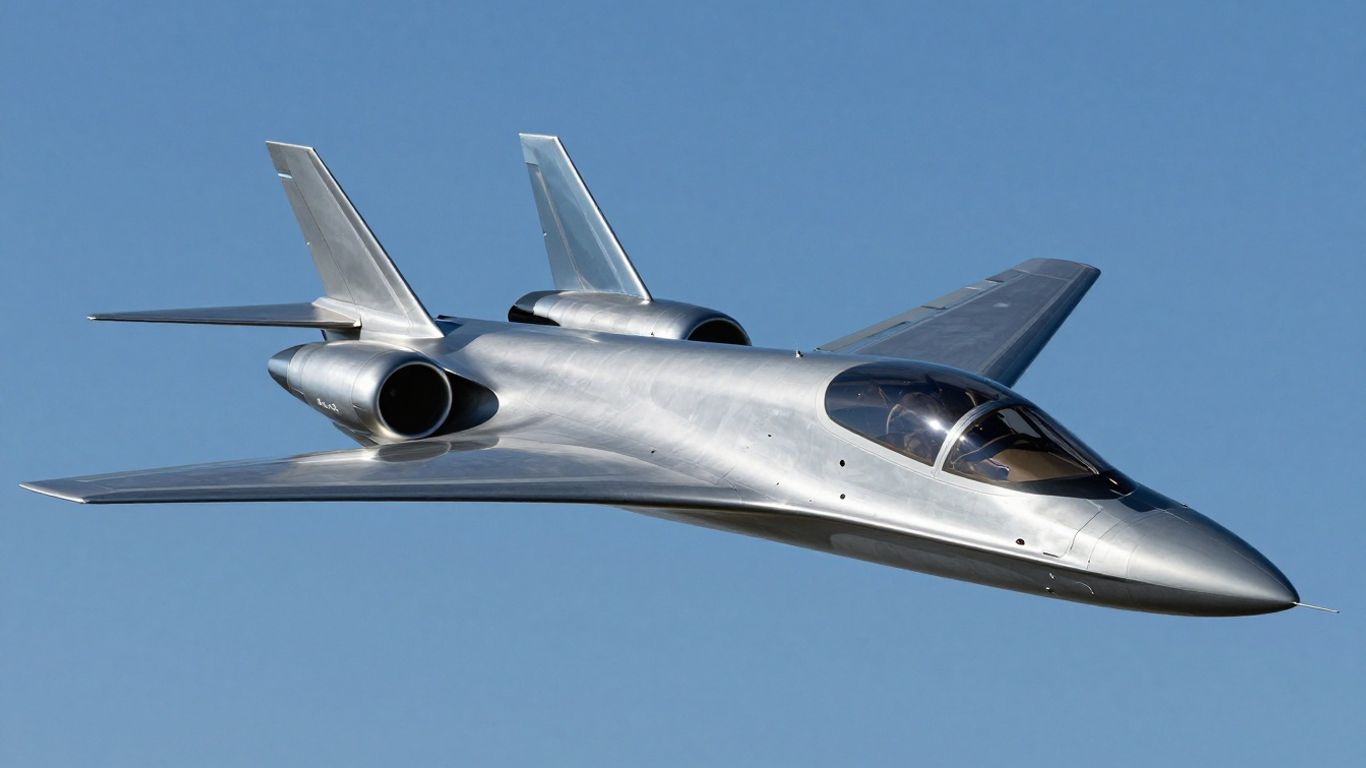
Getting the Aerion AS2 from a blueprint to a real, flying machine is a massive undertaking. It’s not just about designing a cool plane; it’s about building the infrastructure and figuring out the whole production process. Aerion has been working hard on this, moving from their previous base in Reno, Nevada, to a brand-new facility.
Aerion Park: A New Manufacturing Hub
Aerion is setting up shop at a place called Aerion Park, right next to the Melbourne Orlando International Airport in Florida. This isn’t just a factory; it’s meant to be a complete hub for design, manufacturing, and even flight testing. Having everything under one roof should make things run a lot smoother. They’ve officially started construction on this big project. It’s a significant step from their earlier operations.
Projected AS2 Production Timeline
So, when can we actually expect to see the AS2 in the sky? Aerion has had plans to start building the AS2 around 2023, with the goal of having it ready for service by 2024 or 2025. Of course, things in aviation, especially with new tech, rarely go exactly to plan. The global pandemic definitely threw a wrench in many plans, including Aerion’s, but they’re pushing forward. They’ve been busy with things like wind-tunnel tests to make sure the design is sound. The company is aiming for initial production to begin in the coming years, with entry into service targeted for the mid-2020s.
Overcoming Challenges In Supersonic Jet Development
Building a supersonic jet like the AS2 comes with its own set of hurdles. One of the biggest is getting approval for supersonic flight over land. The Concorde, for example, couldn’t fly supersonically over most populated areas because of the loud sonic boom. Aerion is working on technology to make the boom much quieter, almost unnoticeable, which is key for commercial viability. They’re also looking at using advanced materials, like composites, which are lighter and stronger, helping with both performance and efficiency. This is similar to what we’ve seen with modern airliners like the Boeing 787 and Airbus A350. The FAA has been putting out new rules for certifying supersonic planes, which could help pave the way for aircraft like the AS2.
The path to producing a new supersonic jet is complex, involving not just engineering breakthroughs but also significant investment in manufacturing facilities and navigating regulatory landscapes. Aerion’s move to Aerion Park and their focus on overcoming noise and efficiency challenges are critical steps in this journey.
Here’s a look at some of the key partners involved:
- General Electric: Developing the custom ‘Affinity’ engine, designed for efficient supersonic and subsonic flight.
- Spirit Aerosystems: Responsible for manufacturing the forward fuselage section.
- Honeywell: Providing the advanced avionics and flight deck systems.
- Carbon Engineering: Working with Aerion on sustainable fuel solutions to reduce the environmental impact of supersonic business travel.
These collaborations are vital for bringing the AS2 to life and addressing the many technical and logistical demands of supersonic aviation.
So, What’s the Bottom Line on the AS2?
Bringing a supersonic jet like the Aerion AS2 to life is clearly a massive undertaking. It’s not just about building a fast plane; it’s about rethinking how we fly, making it quieter, and hopefully, more sustainable. Aerion is tackling this with new engine tech, smart design choices, and partnerships for things like fuel and navigation. While the price tag is definitely up there, reflecting all this advanced engineering, the AS2 represents a serious push to bring back supersonic travel, but with a modern twist. Whether it fully takes off remains to be seen, but it’s an exciting step in aviation’s future.
Frequently Asked Questions
How much will the Aerion AS2 cost?
The exact price for the Aerion AS2 hasn’t been officially announced, but it’s expected to be a very high-end business jet. Think tens of millions of dollars, likely in the range of $120 million or more, making it a significant investment for buyers.
What makes the Aerion AS2 different from the Concorde?
The AS2 is designed to be much quieter and more environmentally friendly than the Concorde. It uses newer technology to reduce noise during takeoff and aims for ‘boomless’ flight over land. It’s also built to use sustainable fuels, something the Concorde didn’t focus on.
How fast will the Aerion AS2 fly?
The AS2 is a supersonic jet, meaning it can fly faster than the speed of sound. It’s designed to fly at speeds around Mach 1.2 over land (which is still faster than regular jets) and can go up to Mach 1.4 when over oceans. This is slower than the Concorde but allows for quieter flight.
Will the Aerion AS2 make a sonic boom?
Aerion is working on technology called ‘Mach Cutoff’ which aims to make the flight ‘boomless’ over land. This means that at certain speeds (Mach 1.0 to 1.2) and with the right weather conditions, the sound waves from the plane are directed upwards, so they don’t reach the ground as a loud boom.
Who is building the Aerion AS2?
Aerion is leading the project, but they are working with several big names in the aerospace industry. General Electric is making the engines, Spirit Aerosystems is building parts of the body, and Honeywell is developing the flight systems. Lockheed Martin is also helping with the design.
When will the Aerion AS2 be ready?
Aerion is building a new factory called Aerion Park in Florida to make the plane. They were hoping to start production around 2023 and have the jet flying passengers in 2024 or 2025. However, like many big projects, timelines can shift due to development challenges and global events.